

I’ve been chatting regularly with Hugo Kurk recently, exchanging thoughts on what to shoot, where to visit, workflows, agencies, and the usual contributor survival topics.

At some point, an idea occurred to me: why not let Hugo review my portfolio and turn it into a video for his YouTube channel? I thought it would make for a useful collaboration, and thankfully Hugo agreed.
Before carrying out the full portfolio review, Hugo asked me to send over some basic information about my gear, workflow, earnings, portfolio numbers, and expectations.
So, without further ado, here is the Dutch Sunday Roast Review, drafted on the same day that Brazil got roasted by Norway in the World Cup and published on the day that Portugal got roasted by Spain, a proper Cochinillo grilling:
Hope you enjoyed that. Below are some of my thoughts, replies, clarifications, disagreements, and immediate actions following Hugo’s review.
My thoughts on the Sunday Roast
A note on Dutch Directness
I lived in Rotterdam from 2011 to 2014, and one thing that always stood out to me about Dutch people is how direct they can be.
Having lived many years in the UK, with a Brazilian upbringing, this was a bit of a culture shock. To many Brazilians and Brits, Dutch directness can sometimes come across as blunt, unnecessary, or even rude. Not to me. I love it, and it fits perfectly with the ethos of this blog. Bring it on!
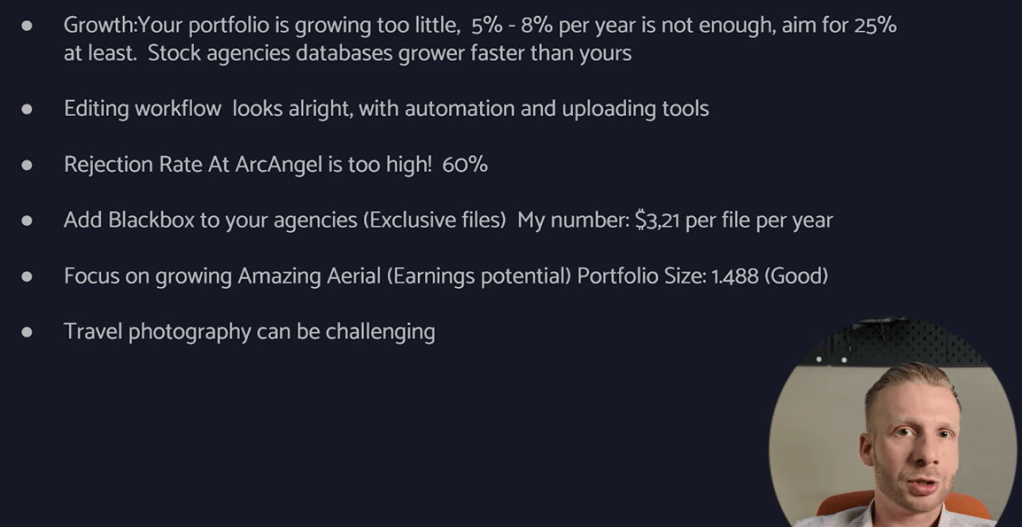
Summary of Hugo’s advice
Now that we have got that out of the way, here is a summary of Hugo’s advice.
Which also looks neat in this infographic. Let’s tackle each one of these separately – thanks Chat GPT.
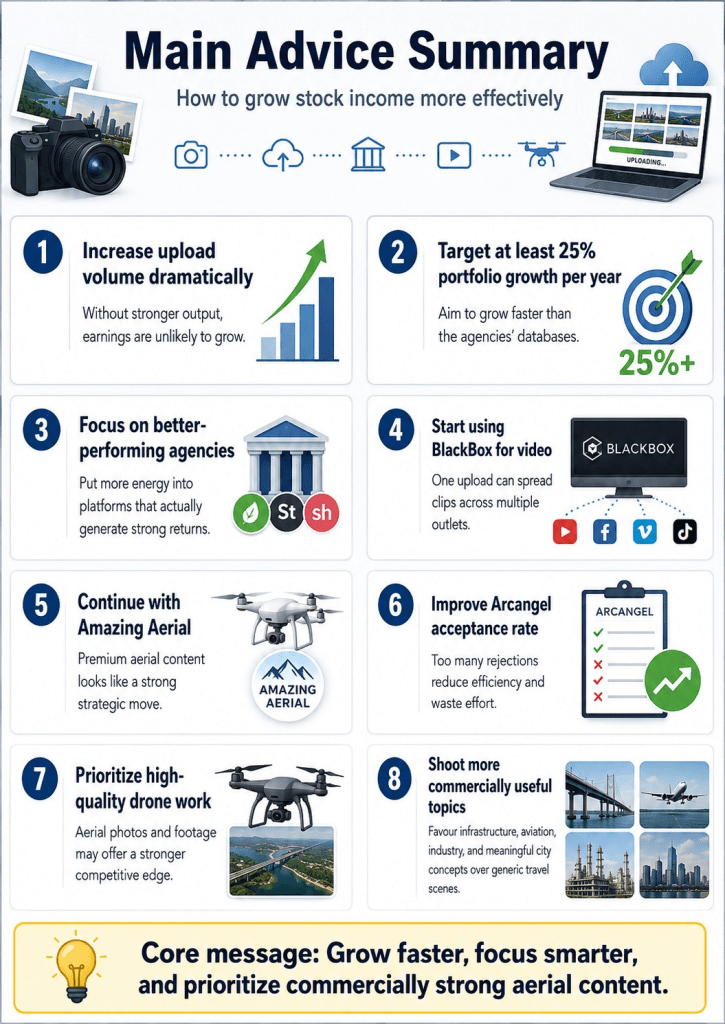
Hugo’s recommendations action plan
Growth rate of 25% / Focusing on Amazing Aerial
This is probably the fundamental point. Hugo mentioned that my portfolio is only growing by around 5–8% a year, which helps explain why my earnings have stagnated. Of course he’s right.
Over the past few years, I have not uploaded that much to traditional microstock agencies. Now that I am working with Amazing Aerial and travelling more, I can realistically push for a much higher growth rate there.
I should be able to finish the year with around 3,000 assets on Amazing Aerial. By the end of 2027, aiming for at least 4,500 assets feels realistic, which would represent a further 50% increase from that year-end target.
Of course his point about shooting commercially interesting locations as opposed to generic content is key.

Arcangel Rejection Rate
Hugo mentioned that my Arcangel rejection rates are too high. That is true, although it has improved last time I was tracking for a few months.
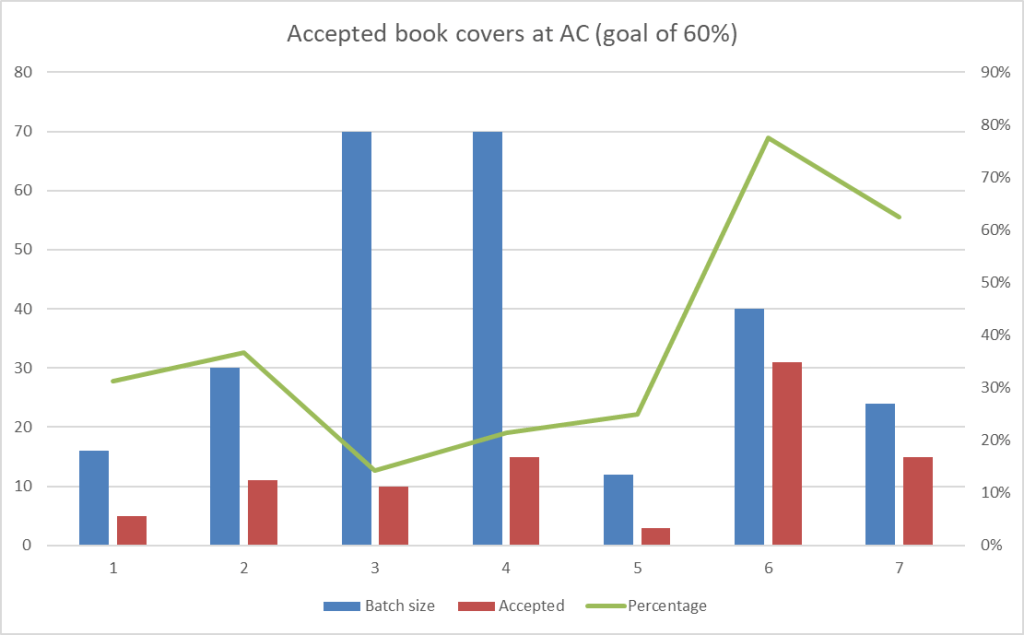
There is also one important clarification. Whole batches of rejected Arcangel images may still be sent to microstock, provided there are no problematic similars leading to exclusivity issues.
Whether those images then go on to sell is another discussion, although they’re usually not strong sellers since they are post-processed in a different way to my usual microstock content. The subject matter is also very niche and doesn’t lend itself to wide usage.
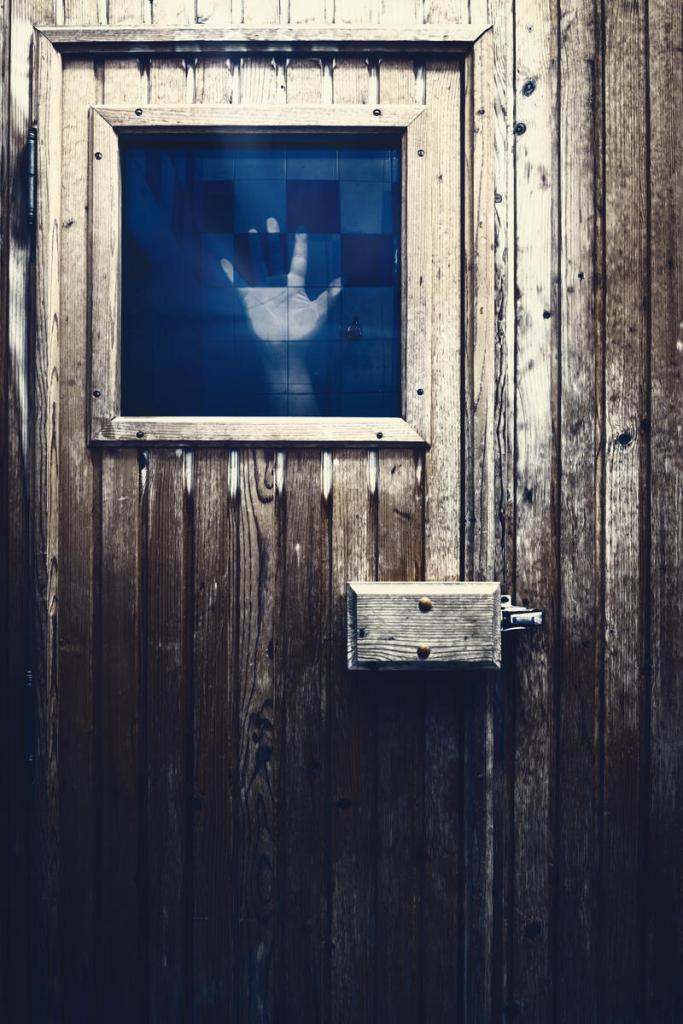
It’s been ages but from what I remember this image was an Arcangel rejection and I put it on micros and has done really well. Most don’t sell though.
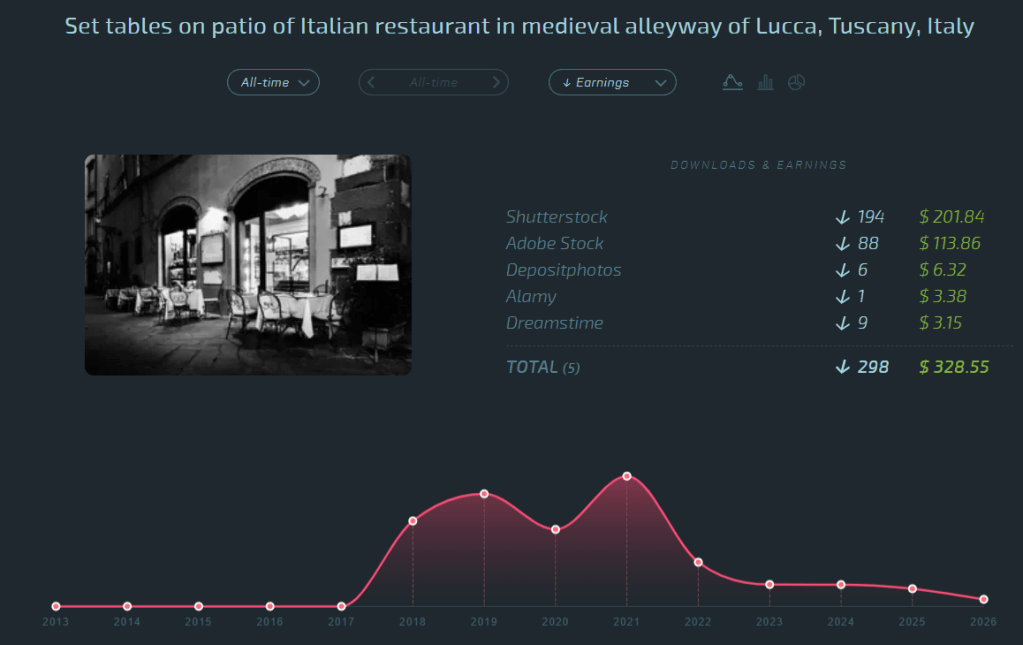
It’s not about rejections it’s about sales
However, I think Hugo slightly misses the main point here, respectfully. My biggest frustration with Arcangel is not really the rejection rate. It is the sporadic nature of the sales while my portfolio is growing steadily.

More acceptances do not automatically translate into more sales there, unfortunately. That type of niche market works quite differently. When a sale comes in, it can be excellent. But the waiting game can be long and unpredictable.
Keeping at it
So my strategy remains the same: upload smaller, stronger, and more commercially valuable batches. For instance, the image below was recently accepted and, in my opinion, has strong book-cover potential. The problem is that “strong potential” at Arcangel does not necessarily mean a quick sale. It may sell next month. It may sell in three years. It may never sell.

I have also been shooting more and more drone content specifically with book covers in mind. With the drone, I can cover a lot of different scenes quickly and efficiently, and I will continue doing that.
tock, however, is almost impossible for me at this point, simply because I barely upload there anymore unless I send them some rejected Amazing Aerial batches with no exclusivity conflicts.
Adding BlackBox to my arsenal
I’ve always been on the fence about BlackBox, but Hugo has convinced me to give it a proper try. So yesterday I submitted an application.
One possible strategy is to test selected batches on BlackBox instead of sending everything to Amazing Aerial, especially where the content is generic enough that premium curation may not justify the higher commission split.
The major difference, of course, is the commission split as BlackBox takes a 15% cut while Amazing Aerial takes 50%.

I can always test some batches here and there and see what works best in terms of earnings after a few months.
Alamy
Hugo also mentioned that I have a very high number of images on Alamy compared with other agencies. That is true.
The reason is that some scenes are better suited to Alamy, especially images that I prefer to send there exclusively, and sometimes as RM.
This includes live news, museum interiors, artwork, and other more sensitive subjects that I do not feel belong on traditional microstock agencies (such as WWII memorabilia). If there is any legal or editorial sensitivity around a subject, I would rather keep that content isolated to one agency with a more appropriate licensing model than scatter it across every microstock platform.

As for the actual results on Alamy? Poor overall but that is another discussion.
Look into upgrading to a Mavic4 Pro
Upgrading to a heavier drone comes with trade-offs. There are genuine advantages to flying the Air 3 in the A1 category, compared with moving into heavier-drone territory with the Mavic 4 Pro.

It is also more portable than the heavier drone and half the price.
Nevertheless, the Mavic4 Pro is clearly a more powerful professional tool, and I would not mind having a stronger telephoto lens for more cinematic, compressed, premium-looking aerial footage and photos.
Let’s see how things pan out and whether I may be able to update early next year.
What I don’t agree with
Ditching my DSLR in favour of the Mavic 4 Pro
So far, so good. Hugo made lots of excellent points, many of which I agree with. However, selling my DSLR and lenses in favour of a Mavic4 Pro does not make sense for me.
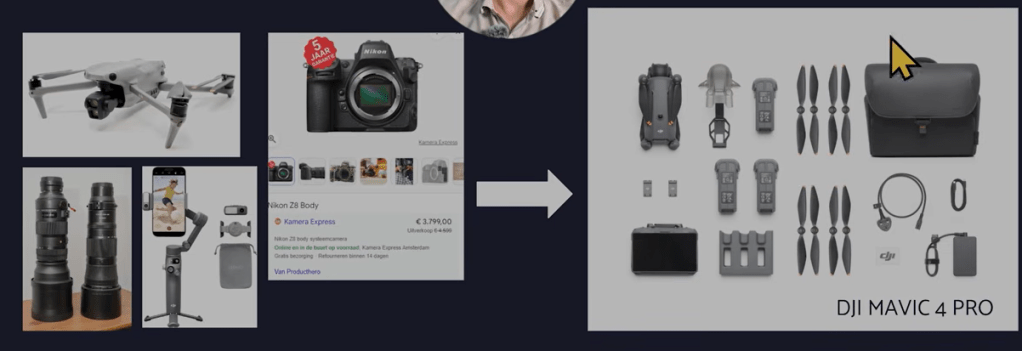
There are two main reasons.
Firstly, I cannot fly a drone everywhere I go when travelling. There are restrictions, weather issues, safety concerns, permits, crowds, and many locations where taking off simply is not possible or responsible. For instance, my drone isn’t even allowed on the cruise ships that I go on as they’ll confiscate it.
That means I still need to shoot at ground level the old-fashioned way. Carrying extra gear is annoying, especially heavy lenses, but for me it is fundamental to be able to switch between drone, DSLR and even gimbal + iPhone depending on what the situation requires. I don’t carry the gimbal that often so that one I can certainly ditch.
Secondly, and slightly outside the scope of this discussion, I cannot ditch my DSLR because I need it for commissioned client shoots, which was picking up prior to my trip to Brazil in May/June.
So yes, a better drone may improve my aerial work, but it cannot replace the rest of my photography business.
Travel Photography is a Challenging Niche, No Doubt
Hugo’s point was that travel photographers often rush toward the most touristic places because those places are new and exciting to them. But the most obvious places are not always the best places if the goal is to create commercially successful travel content.
I’m certainly guilty of this since as soon as I arrive somewhere new, I often head straight to the main tourist landmark and shoot it, assuming the light is good. Maybe that is a mistake, but part of me wants to tick that box straight away and move on to something that is less offered.
After years of travelling and shooting, I have a decent idea of what sells and what does not. But travel photography can still be tricky because there are so many external factors outside our control. Weather is the obvious one.
If you only have one day to shoot a location, you are at a massive disadvantage compared with a local stock photographer who lives nearby and can wait for the ideal light, conditions, season, or even something special, such as a rainbow hitting Sugarloaf Mountain.
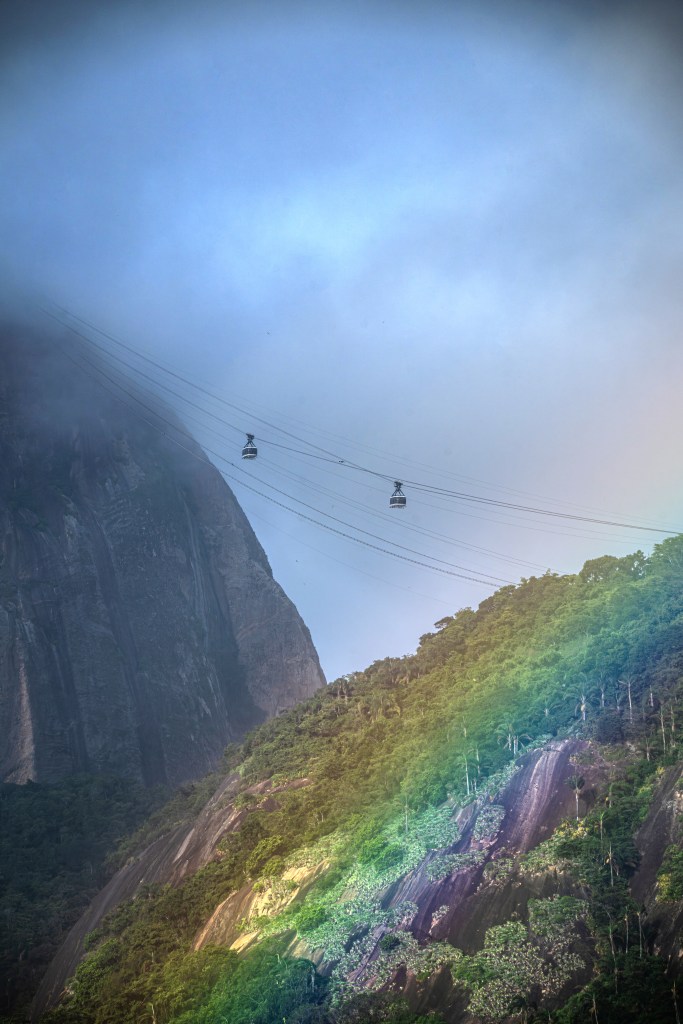
Sometimes you arrive at a summer destination expecting golden light and blue skies, only to get a full day of grey overcast misery, such as Ipanema beach below. That is the reality of a travel photographer.
To deal with this, research is essential.
If the forecast is cloudy or rainy, perhaps do not waste the day trying to shoot landscapes or landmarks. Just don’t force it, the effort will not equal the rewards. Head to a market, museum, station, covered viewpoint, or another indoor or semi-indoor space instead.
Weather forecasts are now accurate enough to plan around them intelligently.
Use LightTrac / Google Maps
I also use tools such as LightTrac and Google Maps to work out when the best light will hit a specific landmark, as I did during my Praia Vermelha and Sugarloaf shoot.
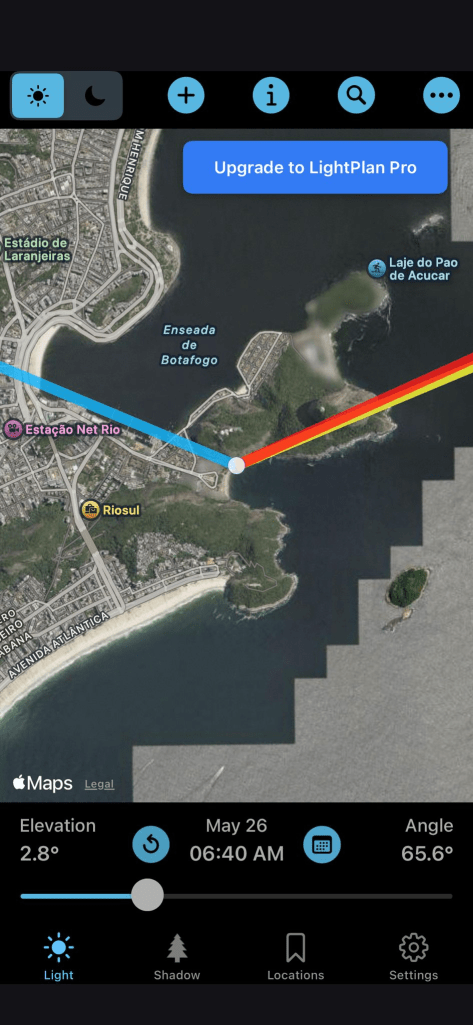
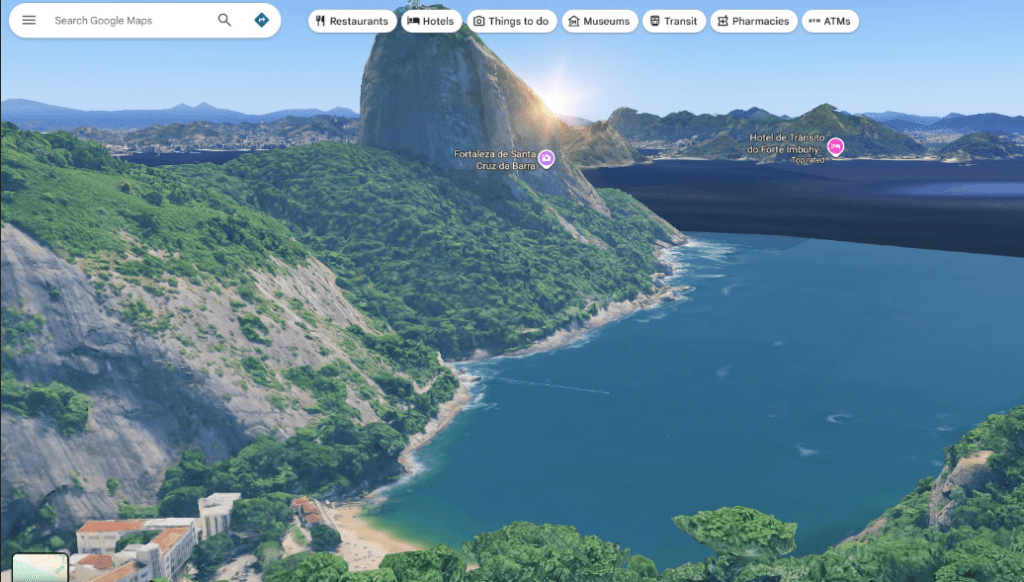
The lesson, at least for me, is not to stop shooting famous places. It is to stop shooting them lazily. The obvious landmark still has value, but only if the execution, timing, weather, angle, or concept gives buyers something more than another postcard. Happy to share with you one of my favourite clips from the shoot.
Travel photography is competitive
It’s also an extremely competitive field, and the logistics are not cheap. That means I need to be more strategic about choosing destinations with both strong buyer demand and relatively lower supply.
This is something I’ve been thinking about more and more when deciding where to travel and shoot next. In Microstockr, I’m currently tracking sales from the major cities I’ve lived in or visited over the past 15 years, trying to identify which locations are actually generating returns and which ones are mostly just expensive memories with nice sunsets.

Final Thoughts
I’ve been roasted, but the skin underneath appears to be tougher than expected. Crispy, slightly charred, but excited about the future.

Overall, Hugo’s review was useful precisely because it was direct. I did not agree with every point, but that is not the purpose of a good portfolio review. The purpose is to force better questions about what I shoot, where I upload, how quickly I grow, and whether my current workflow still makes sense.
I’ve been pushing Hugo to do more of these portfolio reviews on his channel, would you be interested? If so, do contact him directly and volunteer!
Thanks again, Hugo and until next time!
About Alex
I’m Alex, eccentric, based in Lisbon, and on a mission to explore every corner of the globe while capturing stock images and footage along the way.
For the past 12 years, I’ve been grinding as a travel photographer/videographer and freelance writer. Along the way I’ve also written The Brutally Honest Guide to Microstock Photography, a book packed with war stories and practical tips for anyone crazy enough to enter this business and more recently, The Brutally Honest Guide to Drone Laws in Europe.



Leave a comment