
Welcome to another epic guest-post earnings report, this time by the talented Italian photographer and designer, Marco Venturini Autieri, joined in spirit by his beloved muse, Dafne, the English Bulldog. Let’s dive in.
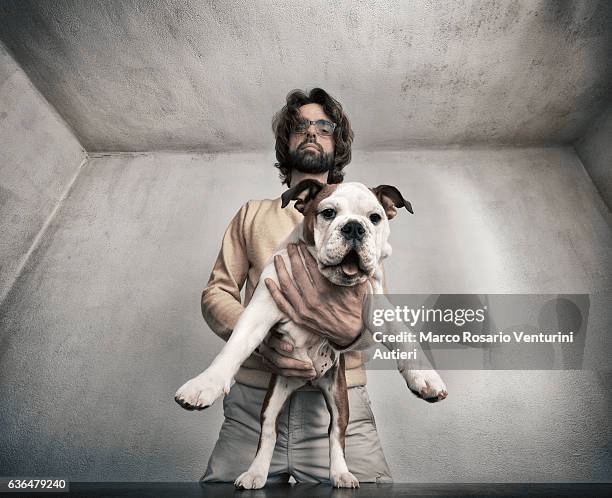
About Marco
I like to say I’m a victim of high school career counseling, or the lack thereof. The only clear directive I received was to go to university, and so I did. I chose Aerospace Engineering, even went on to pursue a PhD, stubbornly ignoring the growing sense that I was on the wrong path.
Eventually, I used those credentials to land a job in the city I dreamed of living in, London. But London turned out to be far from ideal for someone looking to thrive in aerospace.
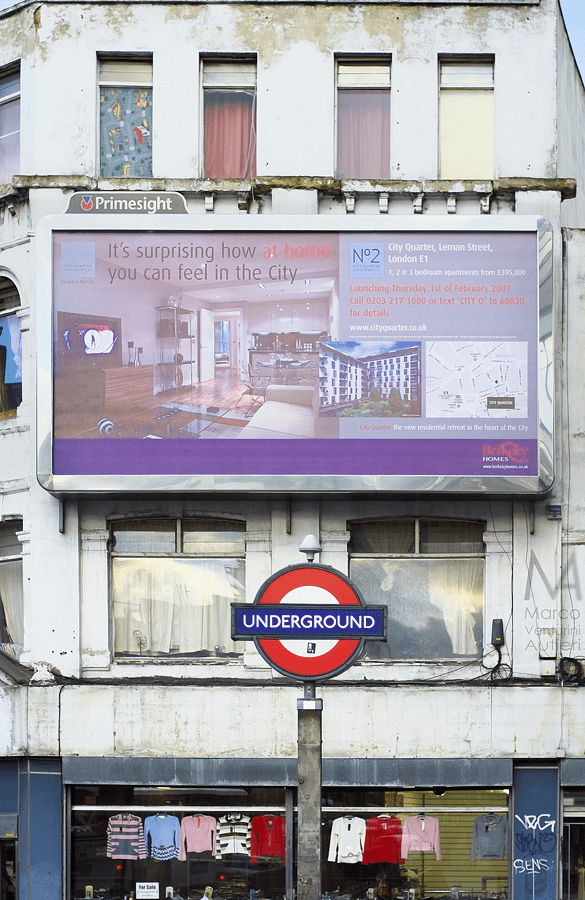
In 2013, after years of detours, I left R&D and returned to something I’d quietly started back in 2007: stock photography. That year, I also moved back to Italy.
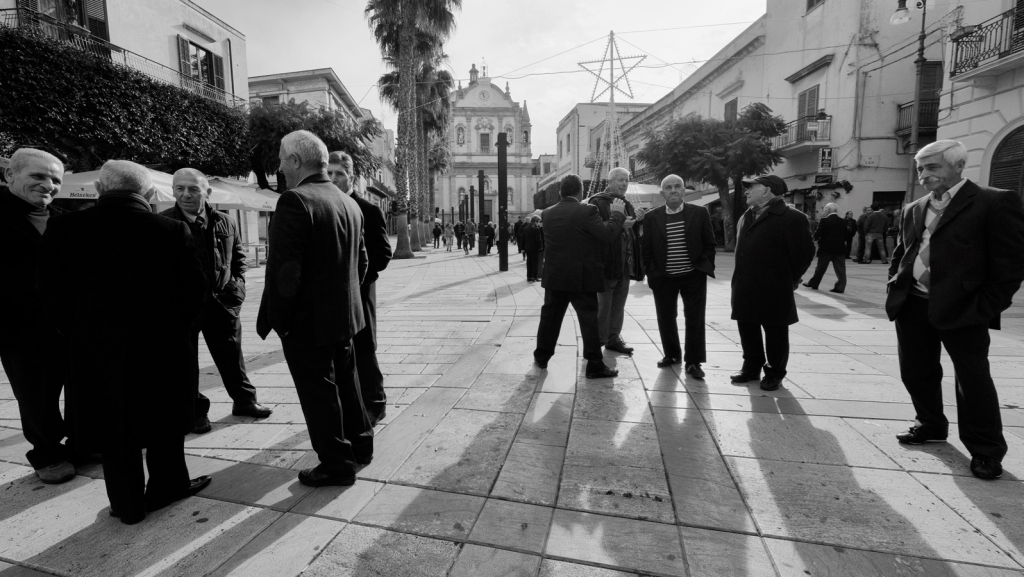
Marco’s Niches (Past and Present)
My photography isn’t always traditional. Some of my images are entirely digital, created using CGI or by drawing over photographs. Over time, I’ve experimented with various categories:
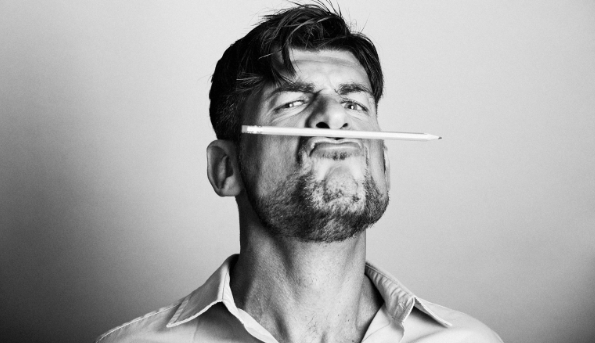
- (a) Studio Portraits: Initially traded free sessions with friends for model releases, but most people found it too much hassle. The age of the “casual portrait sitter” is over.
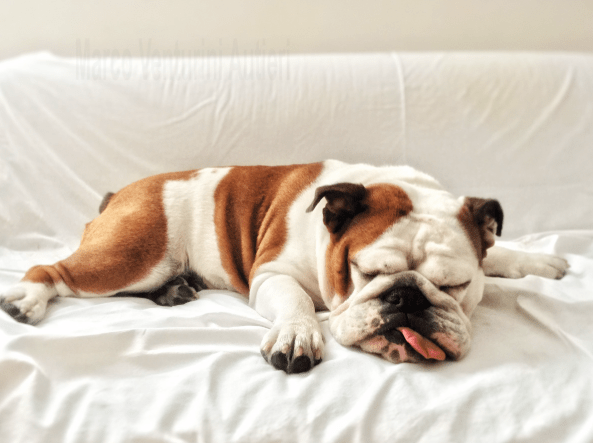
- (b) Dog Portraits: My English Bulldog, Dafne, was endlessly photogenic. She passed away in July 2024, but continues to live on in my portfolio and in daily life.
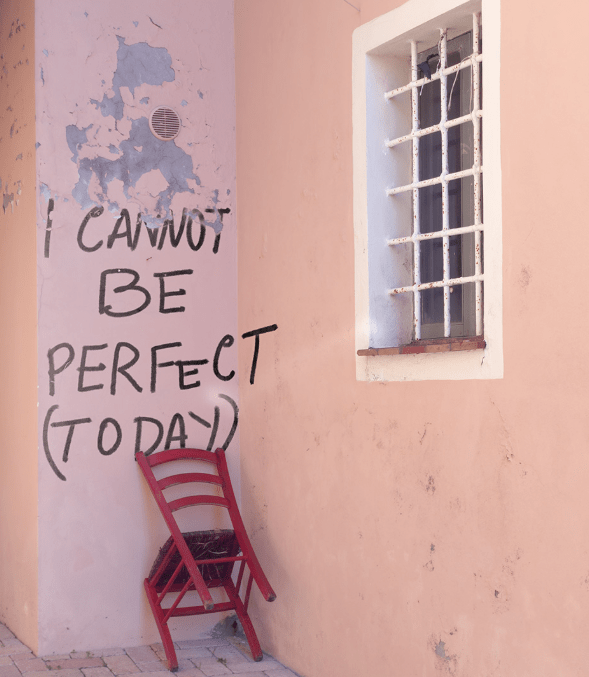
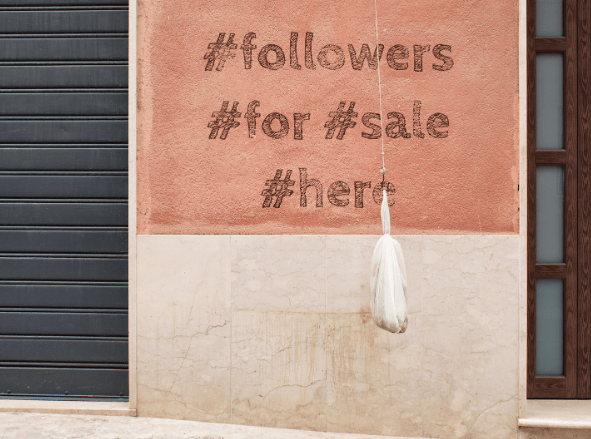
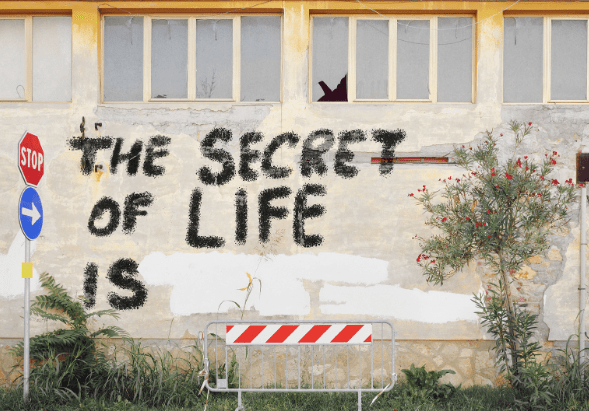
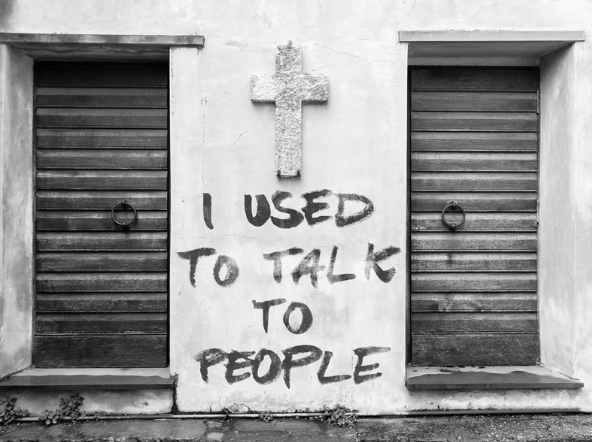
- (c) Digital Graffiti: I photograph walls, architectural details most people overlook—and overlay handwritten messages. It’s my way of mixing visual texture with conceptual ideas.
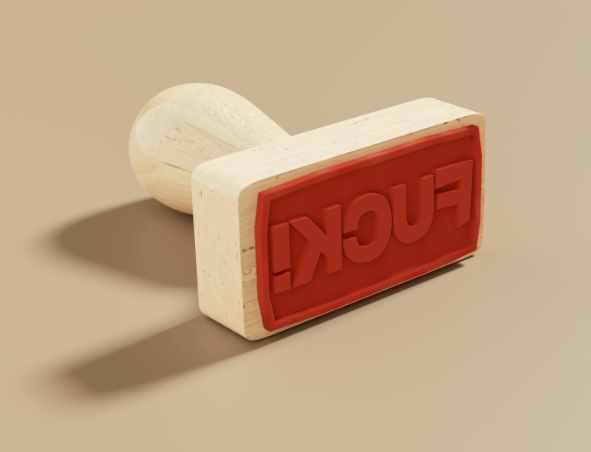
- (d) CGI Scenes: Created in Blender. Think: symbolic, surreal, or stylized representations of abstract concepts.
I’ve since discontinued (a) and (b) and now focus exclusively on (c) and (d)—though I’ll soon be phasing out CGI as well.
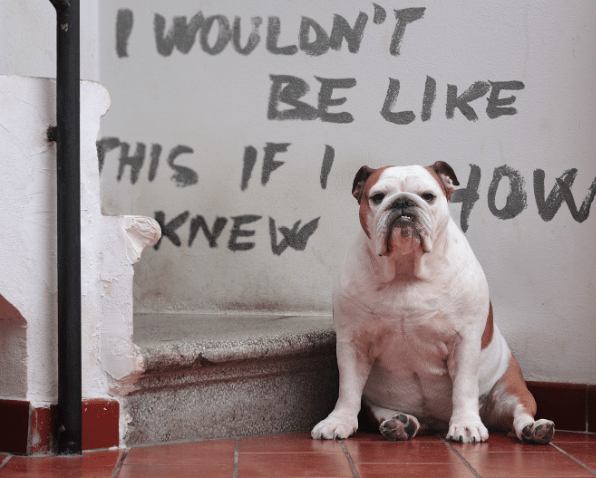
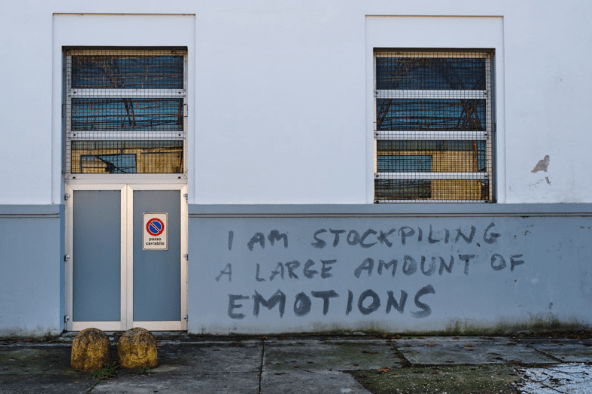
Digital Graffiti: Messages on Walls
This began as a natural intersection of two passions: writing and photographing urban textures. Early on, I struggled to get images accepted as inspectors thought I was uploading real graffiti, even when I included property releases.
Eventually, they caught on to my style.
The appeal of this category is clear: conceptual storytelling. By adding my own messages, I give buyers access to visual metaphors they can’t find elsewhere.
CGI: A Love–Hate Relationship
My CGI journey began in 2020 when I bought a Mac Mini M1. Photoshop barely made it sweat, so I thought: why not try Blender?
It was hell at first, I installed and uninstalled it five times. But BlenderGuru’s YouTube channel saved me. Once I got the hang of it, I began creating simple but conceptually rich scenes that filled a gap in the market. Not flashy, not hyper-real—but clever.
I also dabbled in CGI animations and stock video, but never saw meaningful sales. As of 2024, I stopped both. I now realize: I’m better suited to still images. One frame. One idea.
Music Production and uploads at Pond5
Finally, I’ve ventured into music production. A little over three years ago, I bought a Zoom H2n recorder and attempted a few simple field recordings, just chickens in the countryside.
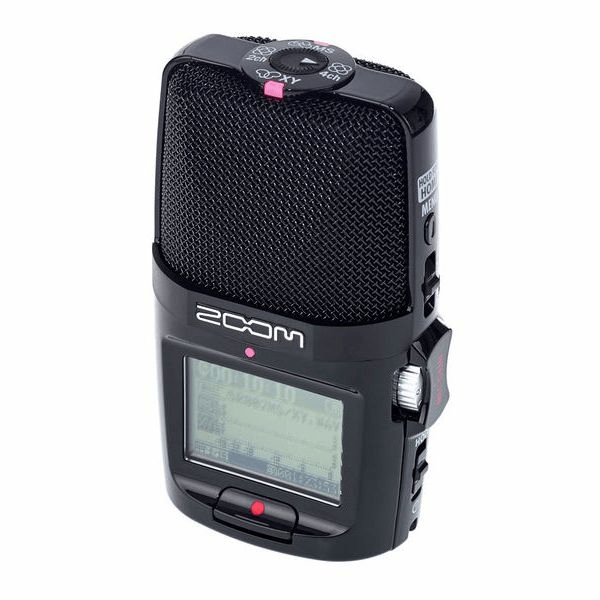
Pond5 distinguishes two categories for audio submissions: “SFX” (sounds, such as field recordings) and “Music.” Initially, I submitted four SFX files, but all were rejected. While rejection wasn’t surprising for a novice, the lack of guidance on how to improve or which direction to pursue left me feeling stuck. However, the Zoom recorder came with music creation software for my Mac. Not wanting my purchase to go to waste, I decided at least to make full use of that software. I became interested in music production, studied tutorials on YouTube, and within a few months began submitting music tracks to Pond5. Since then, every single one of my submissions—over 160 tracks—has been accepted without rejection! This success surprised me, as music production felt inherently more complex than my initial failed attempts at simpler field recordings.
Regarding exclusivity, Pond5 currently does not offer exclusivity for music and has, unfortunately, recently reduced its payout rates for music contributors. As for images, I’m exclusive to Getty. I’ve never had an interest in spending tedious hours optimizing keywords or uploading my content across multiple agencies. Moreover, a few years ago, iStock contributors had the attractive option to select some of their images for inclusion on Getty—a perk I greatly appreciated. Occasionally, inspectors would also promote some of my best images to iStock PLUS, a benefit I’ve valued as well. Given today’s shrinking market, I believe that spending time submitting content to multiple agencies is even less rewarding than ever. I’d much rather invest that time figuring out what I truly want to do when I “grow up”!
The complex nature of music licensing
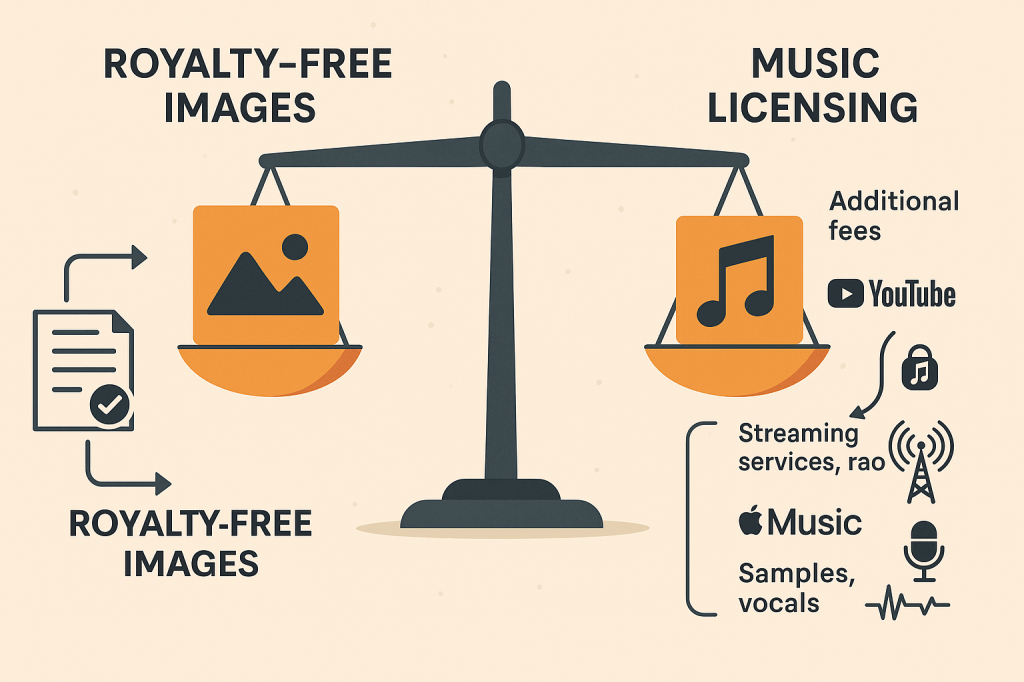
When I expanded from photography into music within the royalty-free market, I immediately noticed both striking similarities and significant complexities. Music licensing is notably challenging because it involves many scenarios that simply don’t exist in photography. For example, you can legally perform someone else’s song under certain conditions, whereas “performing” another person’s photograph has no parallel.
Although licensing images and music shares many commonalities in terms of production quality and aesthetics, the differences in marketing and rights management remain complex and difficult for me to grasp fully. With royalty-free images, the process is straightforward: once purchased, the buyers generally have wide freedom in how they use them. Music, however, involves numerous scenarios and legal considerations. If someone plays your track in their barber shop, additional fees might apply—but the specifics depend on whether the artist belongs to a Performance Rights Organization. If your music appears in someone’s YouTube video, the platform may automatically remove monetization, prompting a complex chain of communication between the creator, the agency (such as Pond5), myself, and YouTube to whitelist the usage. Further considerations arise if your music is distributed on streaming services (e.g., Apple Music), played on radio, includes samples, or features vocals. Each scenario creates complexities in rights management that I’m still actively learning to navigate.
Looking ahead, my focus for the coming months and next year is twofold: creating personalized photographs with text for iStock, and significantly increasing my music submissions to Pond5. Regarding earnings from music, my current data is limited, yet what I have so far is genuinely encouraging.
Let’s now discuss my earnings for the month of March 2025.
Image Earnings (USD)
| Agency | Number of Images in port (new images March) | Net Revenue March | Avg Return Per Download |
| iStock | 11,937 (52) | $488 | $1.75 RPD |
A note on exclusivity:
Regarding exclusivity, Pond5 currently does not offer exclusivity for music and has, unfortunately, recently reduced its payout rates for music contributors. As for images, I’m exclusive to Getty. I’ve never had an interest in spending tedious hours optimizing keywords or uploading my content across multiple agencies. Moreover, a few years ago, iStock contributors had the attractive option to select some of their images for inclusion on Getty—a perk I greatly appreciated. Occasionally, inspectors would also promote some of my best images to iStock PLUS, a benefit I’ve valued as well. Given today’s shrinking market, I believe that spending time submitting content to multiple agencies is even less rewarding than ever. I’d much rather invest that time figuring out what I truly want to do when I “grow up”!
Video and Music Clips Earnings (USD)
| Agency | Number of clips in port (new March) | Net Revenue March | Avg Return Per Download |
| Pond5 Music | 216 (3) | 0 | 0 |
| Pond5 SFX | 6 (0) | 0 | 0 |
| Pond5 Video | 701 (3) | 0 | 0 |
iStock / Getty sales’ trend
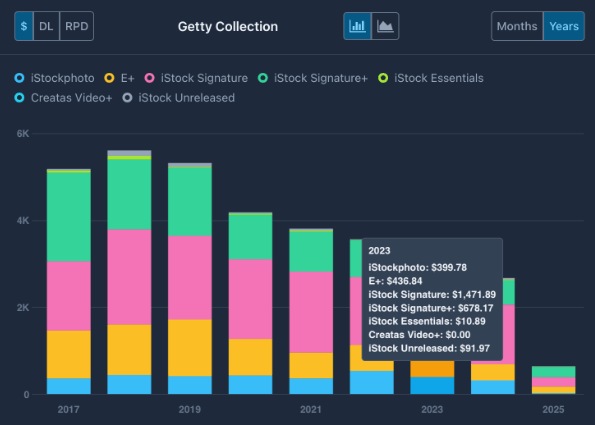
When examining my financial and sales trends, the main pattern is easy to see: my image sales have been gradually declining over the past few years, with an accelerating downturn in recent months. Could this be the impact of AI? Personally, I frequently use AI-generated images, especially when sharing humorous content with friends. Clearly, AI-generated images are highly useful in many contexts, though they obviously can’t yet replace every possible use case. Still, it’s undeniable that their rise has coincided with my noticeable decline in image sales.
Pond5 sales trend
Pond5 sales (both video clips and music tracks) remain very limited, around ten per year, so creating a trend graph wouldn’t offer much insight. Instead, what stands out is the significance of earnings from “data set sales,” meaning sales of content used to train AI models, especially notable in my 2023 and 2024 data. (Incidentally, I haven’t had a single direct Pond5 sale so far this year!)
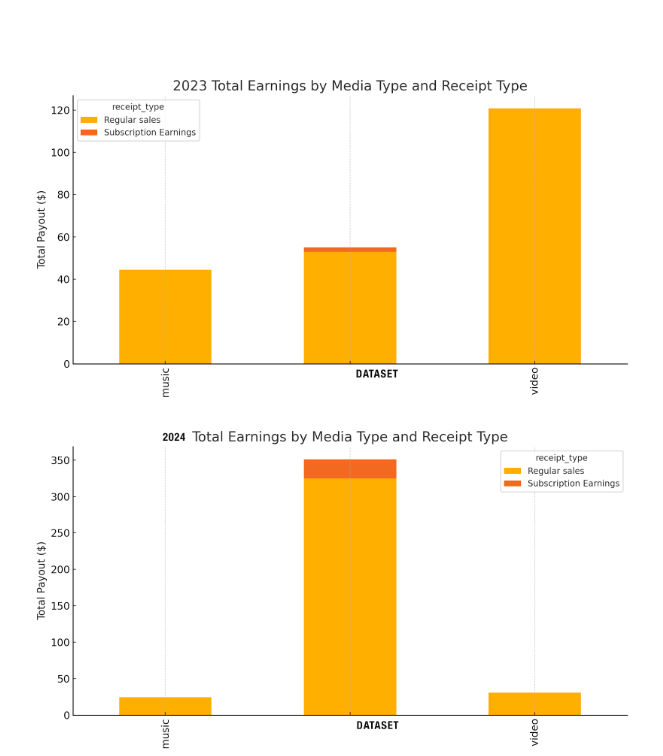
I still have relatively little content available, and much of it isn’t particularly high-quality, although I’d like to believe I’ve improved significantly over the past year. My music sales are scattered and too infrequent to reveal a clear trend. However, each sale is encouraging, as music tracks generally command prices closer to videos than photos. Humorously, I often joke that my music seems to resonate more with robots than humans: the income from “data set sales,” although infrequent, substantially exceeds my direct music or video sales. (Unfortunately, data set earnings are cumulative, so I can’t distinguish exactly which part is music and which is video.) On two separate occasions, I earned significant amounts—one sale at around $250, another around $200—from data set licensing alone. Clearly, I’m not opposed to my content being used to train AI!the data set sale. So, surely I am not against my data being used for training AI!
Top Performers
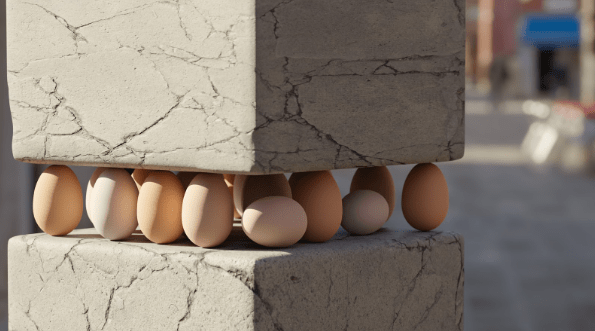
My top performers are the following three images (Note: I have only included images that I have sold at least once!):
Why I think these have sold well
Most of what I create is unconventional and niche. When my bestsellers do sell, it’s precisely because they’re specialized, though this also means they never achieve large sales volumes. I’ve never felt skilled or confident enough to compete in the crowded marketplace of universally popular subjects—like lifestyle clichés—nor have I ever genuinely enjoyed creating such content. Instead, I’ve consistently focused on themes that truly interest me, naturally resulting in work that stands apart.Often, when I make a sale, I catch myself thinking, Who on Earth would want to buy THIS?! With few exceptions, my images offer buyers virtually no alternatives to express the same idea in a similar way—unless someone downloaded them by mistake! Yet this uniqueness, this difficulty to replicate, is exactly why my work sells.
Analyzing market trends
I don’t try to predict my sales—of course, I always strive to upload useful content, but that’s as far as it goes—and I don’t spend much time analyzing past performance either. The reason for this approach becomes clearer when looking at the bigger picture of what I do: photography. Yes, I’m a photographer—not an emergency doctor, not a soldier, not a lawyer—unfortunately not someone whose profession directly benefits society through hard labor and meaningful effort. In other words, I’m fully aware that my work is easier, more enjoyable, and far less essential than many other careers, and I intend to keep it that way. If I had to constantly analyze market trends or perform statistical evaluations on my portfolio, photography would quickly turn into a stressful and unpleasant occupation. Frankly, if I were to endure such demanding work, I’d rather do something genuinely beneficial to humanity. No, my work is admittedly superfluous and enjoyable—and I prefer it stays that way. Otherwise, I could have simply remained in engineering!
Music uploads strategy
However, if I must comment on my sales trends, I should consider music separately from images.
Regarding music, my Pond5 portfolio is still young and relatively modest, and basic statistics caution against drawing significant conclusions from limited data. Still, 2024 was encouraging: a few occasional sales amounted to considerably more income than my Getty images. Additionally, I had a couple of substantial dataset sales exceeding €200 each! I joked that my work seems more appreciated by computers (for AI training) than by humans, given that my dataset sales outperformed regular sales. Motivated by this initial success, I focused heavily on music in early 2025, substantially increasing both my output and portfolio quality. Unfortunately, as of end-of-March, my optimism has waned. I haven’t had a single sale on Pond5 in four months, and the activity—measured by views—has completely dropped to zero. Although my sales volume is small, the sudden, drastic halt suggests something might have changed regarding visibility on Pond5. After all, increasing both effort and quality shouldn’t correspond to a total stop in sales.
The analysis for my images is more straightforward: there has been a slow but steady decline in sales month after month over recent years, which has accelerated noticeably in the past few months. The reason is fairly evident. Alongside the typical issues inherent in the microstock market, AI-generated images have arrived. Yet, I believe most of my portfolio remains somewhat protected from AI competition because it’s too quirky—perhaps I should say original!
Using ChatGPT for images and videos
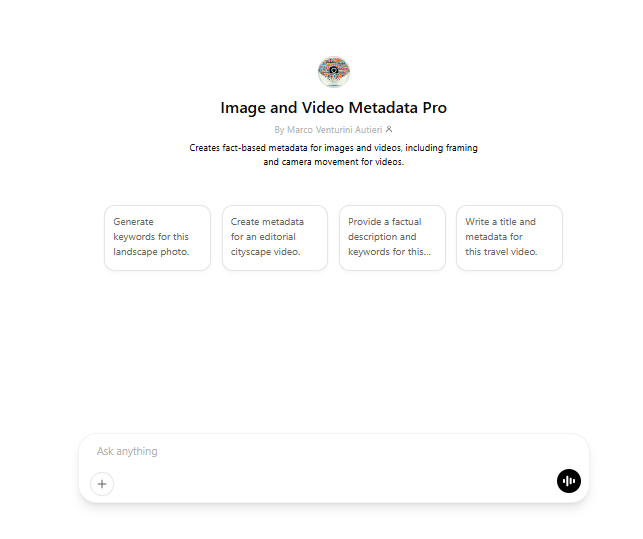
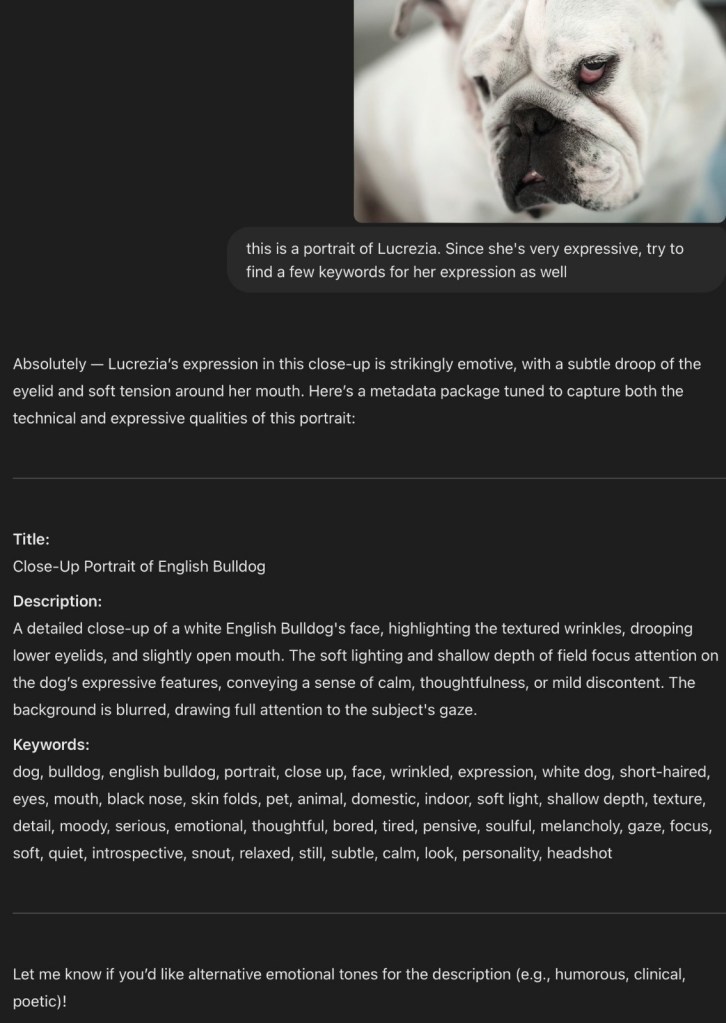
For many years, I relied exclusively on DeepMeta (DM) for my workflow, but recently I’ve integrated ChatGPT into my process. Specifically, I created two custom GPTs: one for images and videos, the other for music. These GPTs assist me with the tedious task of generating appropriate titles, descriptions, and keyword sets. I provided detailed instructions on tone for both commercial and editorial images, as well as precise guidelines for keyword formatting. For images and videos, I simply upload a low-resolution file along with a brief description of two or three words. Music requires a bit more nuance—I describe my tracks in simple terms (e.g., “rhythmic piano with fast cello arpeggios”), after which the GPT prompts me with a few clarifying questions (such as mood and intended use). Ultimately, it delivers well-crafted titles, descriptions, and keywords suitable for my music tracks.
Hoping to do something useful to the readers, I would like to share here the link to access the GPT that I have created! This is an invite-only link:
Future workflow strategies
My main challenge with stock is essentially philosophical: as creators, we keep generating content—images, music—but people’s needs don’t increase proportionally. When I produce music, I’m adding to a vast ocean that already includes Beethoven and the Beatles. When I photograph a sunset, my image joins millions of nearly identical images. Clearly, this approach isn’t sustainable. Agencies, too, face rising costs from handling ever-increasing amounts of data, even though customers’ needs haven’t grown correspondingly. On top of this, we’re all aware of the disruption caused by AI. My conclusion is straightforward: continuing to create in the same way is pointless and benefits no one. Therefore, I’ll be adapting my workflow with the following changes:
- Focus on editorial content:
The main drawback of AI-generated imagery is that it’s inherently artificial. While “fake” content isn’t always negative (science fiction is fake, after all), I want to shift my focus toward editorial photography, as these images inherently carry an element of authenticity. Editorial images, traditionally viewed as less commercially appealing than creative photos, might now gain additional value precisely because they offer genuine information and context—something AI-generated images currently cannot provide. - Selling visual metaphors:
AI can create virtually any requested content, but do we truly know what we need or want? Do we always have the right ideas? I intend to ensure my images represent the crystallization of an original idea. Instead of merely producing yet another photograph, I’ll aim to capture and sell visual representations of concepts or metaphors. Attempting to recreate images that already exist is doomed to fail—either through direct failure or simply disappearing unnoticed in a vast ocean of similar content. - Music as a growth opportunity:
While AI is exceptionally skilled at generating text and imagery, it’s still notably behind when it comes to producing genuinely high-quality music. Despite being little more than a beginner musician, and despite image sales currently outpacing my music sales, I see greater potential for growth in music.
My 2024 objective was straightforward: stop producing CGI animations and focus on everything else; I successfully refrained from animations. For 2025, the goal is clear: discontinue CGI entirely and concentrate on music and “digital graffiti.” This combines an activity relatively new and challenging to me (music) with something familiar and creatively comfortable (overlaying written text onto photographs), both of which should remain largely immune to AI’s influence for the foreseeable future.
Pausing CGI production
A quick note on why I’m pausing CGI: it isn’t specifically due to declining CGI sales. The decline I’ve noticed is gradual, affecting my entire portfolio evenly. Rather, my decision is personal: I want to focus more on music because it represents a new skill I’d like to develop, and because I believe AI’s encroachment into music will be slower than its rapid advancement in imagery. Moreover, I’d like to preserve some time for traditional photography. Although less profitable now, photography remains something I do very well, thanks to my years of experience, and it also encourages me to spend time outside my home. In contrast, CGI and music production tend to confine me indoors all day. So, in the coming months, my attention will be balanced between exploring something new (music)—with the hope of improvement—and something established (photography), while enhancing its value through the addition of my written text.
AI risks and dangers – my thoughts
Everyone talks about the risks and dangers of AI, so I’d like to share my final thoughts on this topic. These risks are indeed real and affect music and photography equally—but we should ask: risks for whom? Clearly, AI poses a threat primarily to creators—musicians and photographers—not to listeners or image buyers, whose lives will actually become easier.
Rules and regulations will never truly halt technological advances that benefit the majority. I believe governments shouldn’t attempt to limit or ban AI-generated content; ultimately, users themselves will decide what’s valuable. If AI-generated music and images prove equally useful—or even superior—to human-made content, people will naturally embrace them. Regulating AI would be both extremely difficult and ultimately futile.
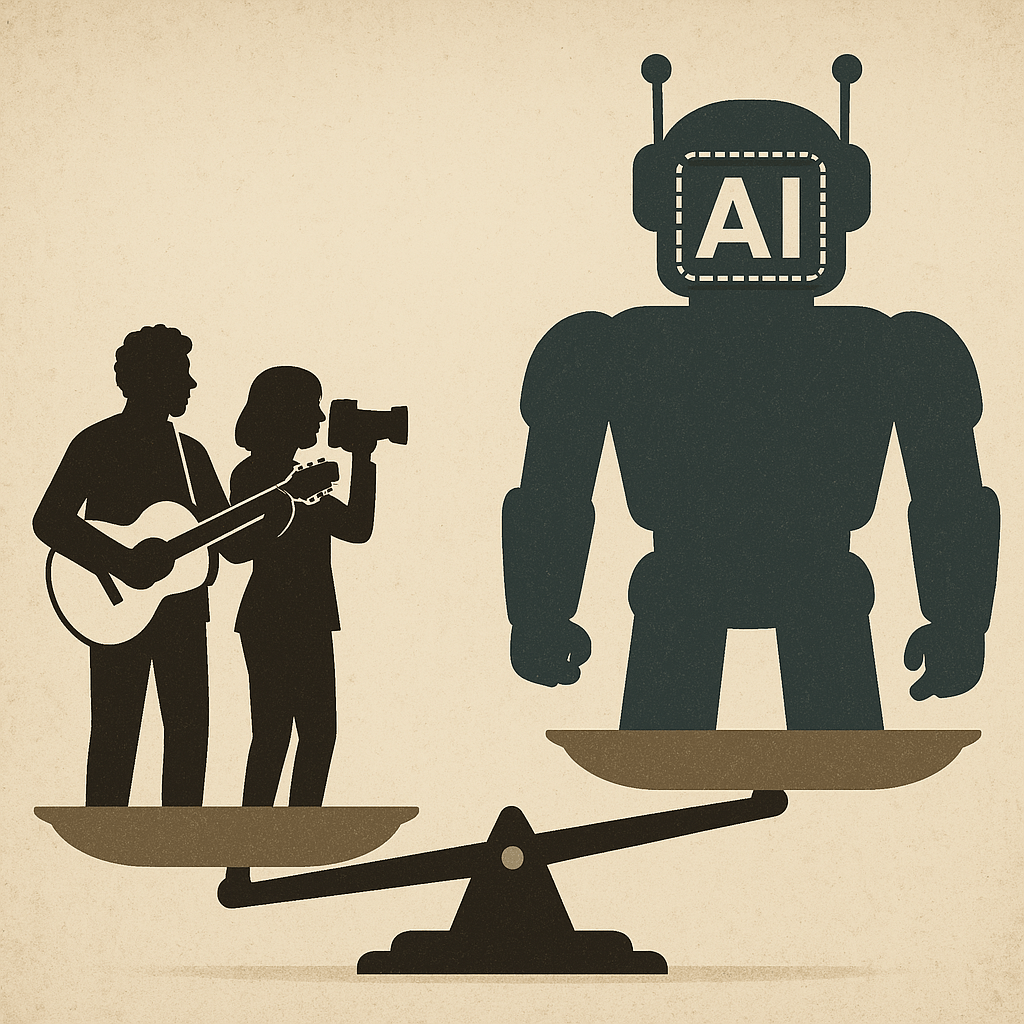
Yet, despite the profound changes AI is bringing to musicians and photographers, in some ways, nothing is fundamentally changing. Long before AI arrived, creators faced an overwhelming imbalance between content supply and market demand. Microstock already flooded the market with inexpensive images, while streaming platforms paid musicians mere fractions of a cent per play. With few exceptions, making a sustainable living from content alone has long required direct human involvement.
For musicians, performing live, touring, and directly engaging audiences have always been essential for visibility and success. Similarly, for photographers, specialized fields such as wedding, portrait, and war photography remain irreplaceable by AI. What AI is truly doing is accelerating the decline of content produced without direct human interaction or involvement in its distribution.
Microstock photography may eventually vanish, and bedroom producers who churn out electronic music could struggle to compete against AI-generated tracks. Nevertheless, humanity will always need a photographer at a wedding and a musician at a party.
Thanks for this opportunity, Alex and also look forward to your monthly earnings report.
 Alexandre Rotenberg's Brutally Honest Guide to Stock Photography & Footage
MAN!!! This is a whole lot of inspiration!
I feel inspired to create lots of funny stuff!
Great job!
LikeLiked by 1 person