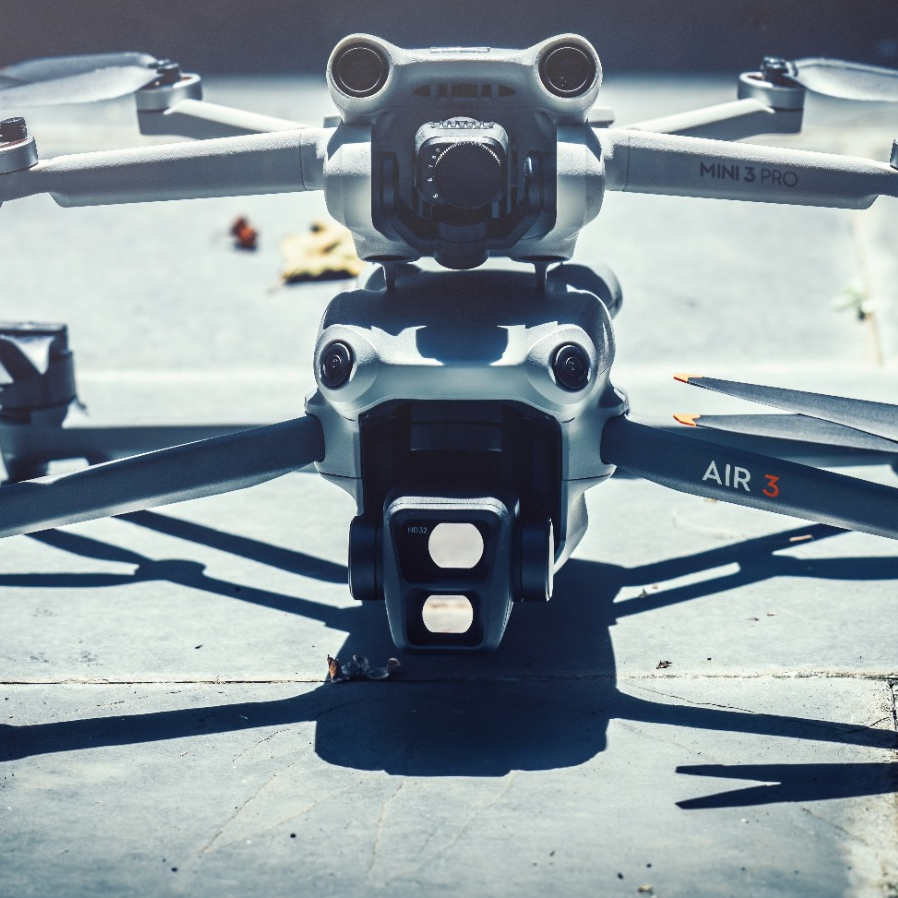
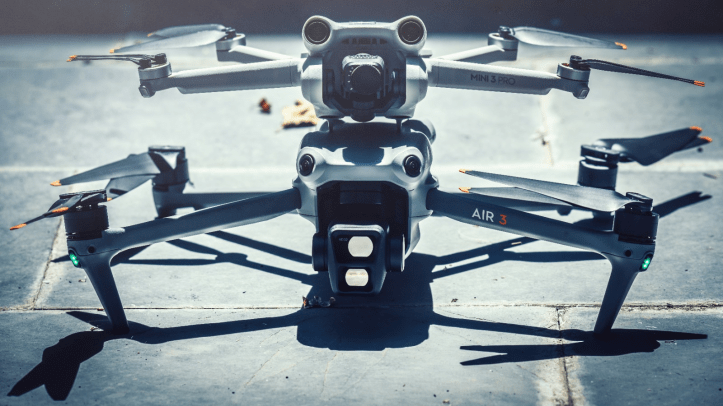
After updating my DJI app today, I was surprised to discover that, as of January 13, 2025, DJI, the world’s leading drone manufacturer, has officially removed its ‘geo-fencing’ feature. In this blog post, we’ll dive into the implications of this bold move and what it means for current and future drone pilots. Let’s get started!
What is Geo-Fencing?
Prior to this software update, DJI drones were equipped with a geo-fencing system that required pilots to upload proper documentation and gain authorization to operate in restricted “blue zones.”. These famously circled sensitive areas such as airports and other sites that a recreational pilot has no business flying near. If compliance requirements weren’t met, the drone wouldn’t even take off (trust me I’ve tried as a test).
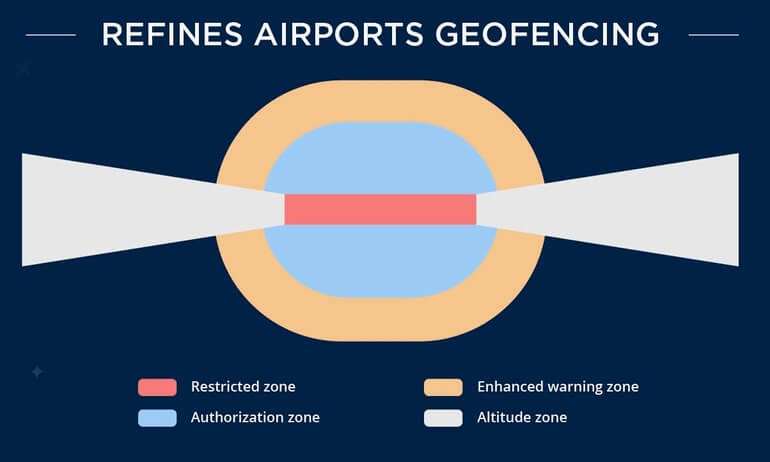
Now, with the geo-fencing feature removed, these once-restricted zones in regions like the U.S. and the EU have been downgraded to mere “enhanced warning zones.” Now, pilots receive a simple in-app alert, tick a few liability disclaimers which the pilot are free to ignore and are able to fly.
Why Did DJI Remove Geo-Fencing?
The timing of this update raises eyebrows, especially with the Trump Administration set to take office in just a week (January 20th to be precise). This administration has been vocal about its distrust of Chinese tech companies, threatening tariffs, restrictions on DJI’s U.S. operations and even bans on Chinese social media apps like TikTok.
DJI, however, claims its decision is driven by a desire to “put control back in the hands of drone operators, in line with evolving regulatory principles.” According to the company, advancements such as the federally mandated Remote ID system, akin to license plates for drones, make rogue drone detection and enforcement easier than ever.
The bottom line? Just because pilots can fly near restricted areas doesn’t mean they should. The same rules still apply, but enforcement now falls on operators and regulators rather than DJI.
High-Profile Incidents That Set the Stage
Although potentially unrelated, this decision comes within a backdrop of high-profile drone incidents that have dominated headlines within just the past week:
1. Pacific Palisades Wildfire: The FBI launched a manhunt for a rogue drone operator whose unauthorized activity grounded aircraft fighting the wildfire.
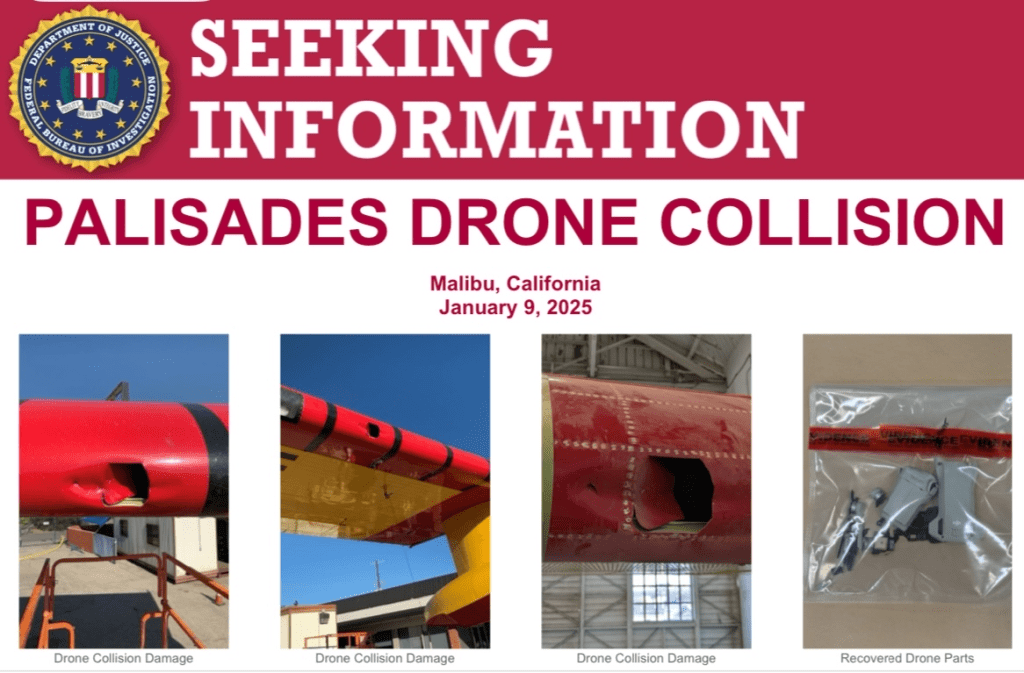
2. White House Breach: A drone flew over the White House, raising serious concerns about national security.
3. Strange drones spotted in New Jersey: Sightings have occurred near critical sites such as power plants and highways.
Four theories behind DJI’s move
Skeptics believe there’s more to the story, including:
- Shifting Liability: By removing geo-fencing, DJI may reduce its exposure to lawsuits and administrative penalties stemming from incidents in sensitive zones. DJI has emphasized the importance of following local laws and ensuring that drone operations are carried out safely.
- Leveling the Playing Field: Competing drone manufacturers and DIY drones have no such restrictions, giving them an advantage over DJI.
- Cost-Cutting: Maintaining geo-fencing systems, updating databases, and handling administrative tasks are expensive. Removing geo-fencing eliminates these costs.
- Political Defiance: Some speculate this is DJI’s way of pushing back against U.S. scrutiny, giving a proverbial middle finger to looming restrictions against Chinese goods.
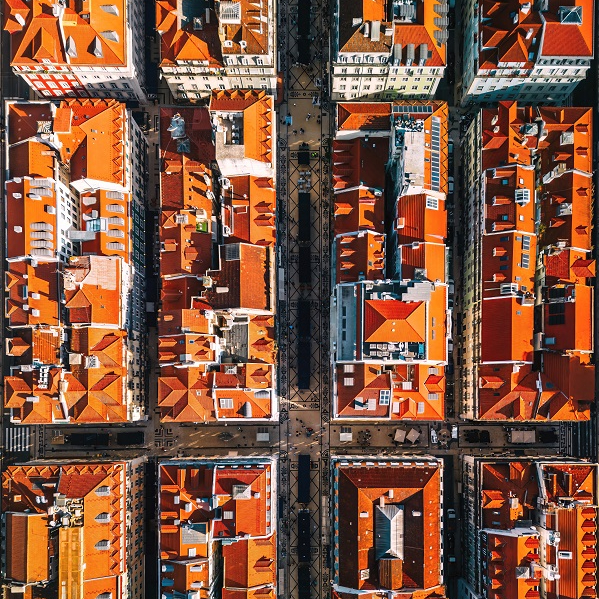
What About flying within the European Union?
In the EU, DJI’s move aligns with regulatory changes introduced in January 2024. European drone regulations now require all manufacturers to enable users to download geographical zone data directly from national aviation authorities. This shifts responsibility to the drone operators, who must ensure they have the latest data before flying. Ignore is no excuse.
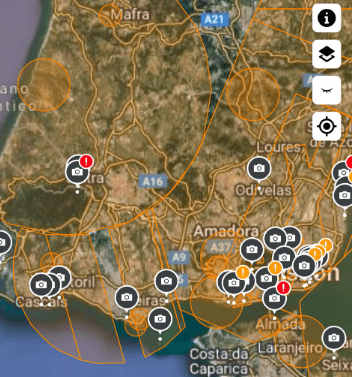
What my DJI app map looks like
For example, in Lisbon, a medium-sized city with two airports, numerous hospital helipads, and prisons and military installations including one of NATO’s largest training centres, the updated system merely warns pilots before letting them proceed at their own peril.
Here’s what my screen now looks like when flying in Lisbon as soon as I updated the DJI app today.
Inspecting national and EU rules for more accuracy
If I were to rely on the DJI app I might land myself in trouble since I don’t even see where the airports are located! Fortunately I know best to be informed via an app called voanaboa.pt (which literally means, flying at ease), where I can be up-to-date with local rules.
Here is what that map I showed you earlier looks like according to national and European Aviation Safety Authority regulations.
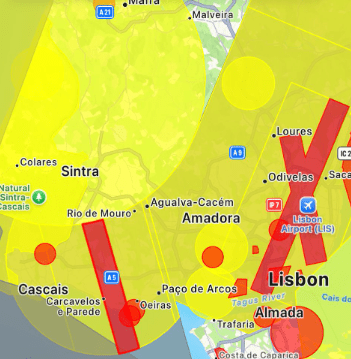
…while I still need to follow the national/EU rules.
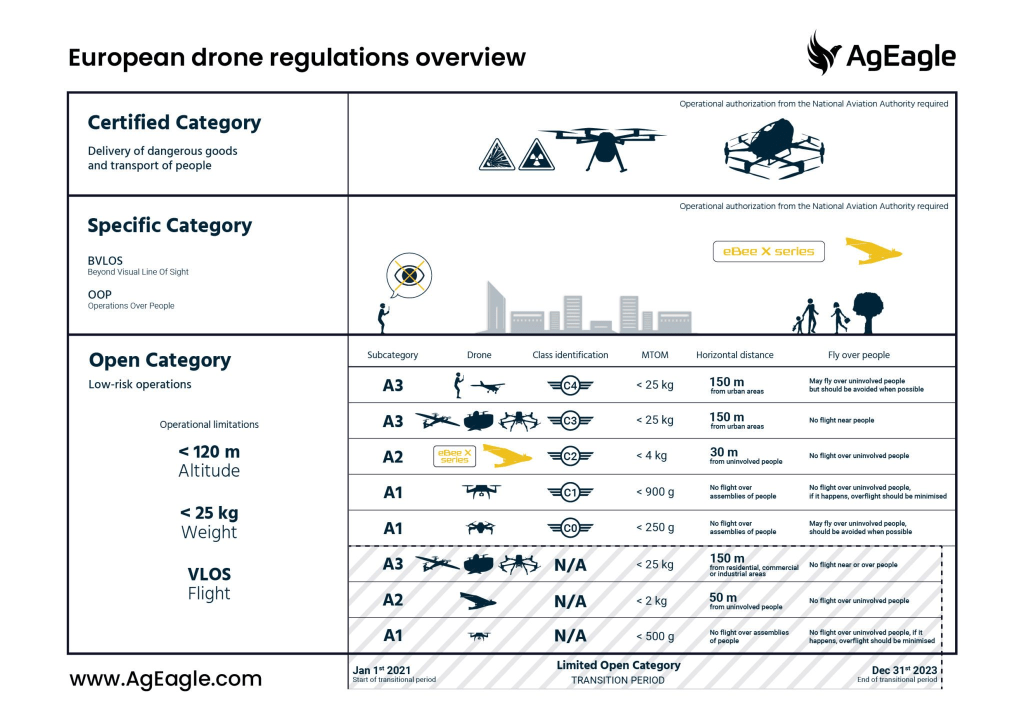
For UK fliers, refer to the UK Civil Aviation Authority (CAA) rules and for U.S based fliers, refer to the FAA rules.
Are We Heading Toward Disaster?
The implications of this decision are significant and potentially dangerous.
Today, anyone can purchase a professional DJI drone for as little as $2,000. With geo-fencing removed, an inexperienced pilot could unintentionally fly into sensitive areas, creating a recipe for disaster. In a worst-case scenario, imagine a recreational pilot inadvertently colliding with a small airplane near an airport, causing a catastrophic crash.
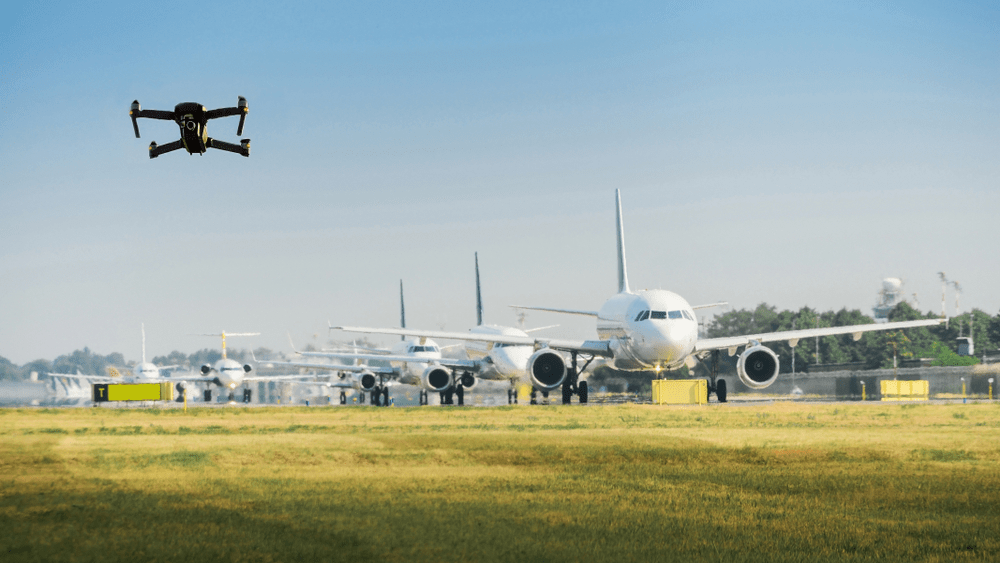
Such an incident could lead to sweeping further restrictions or outright bans on DJI drones. The U.S. House of Representatives passed the Countering CCP Drones Act last year and many politicians are looking to go even further including a complete ban.
Looming threats
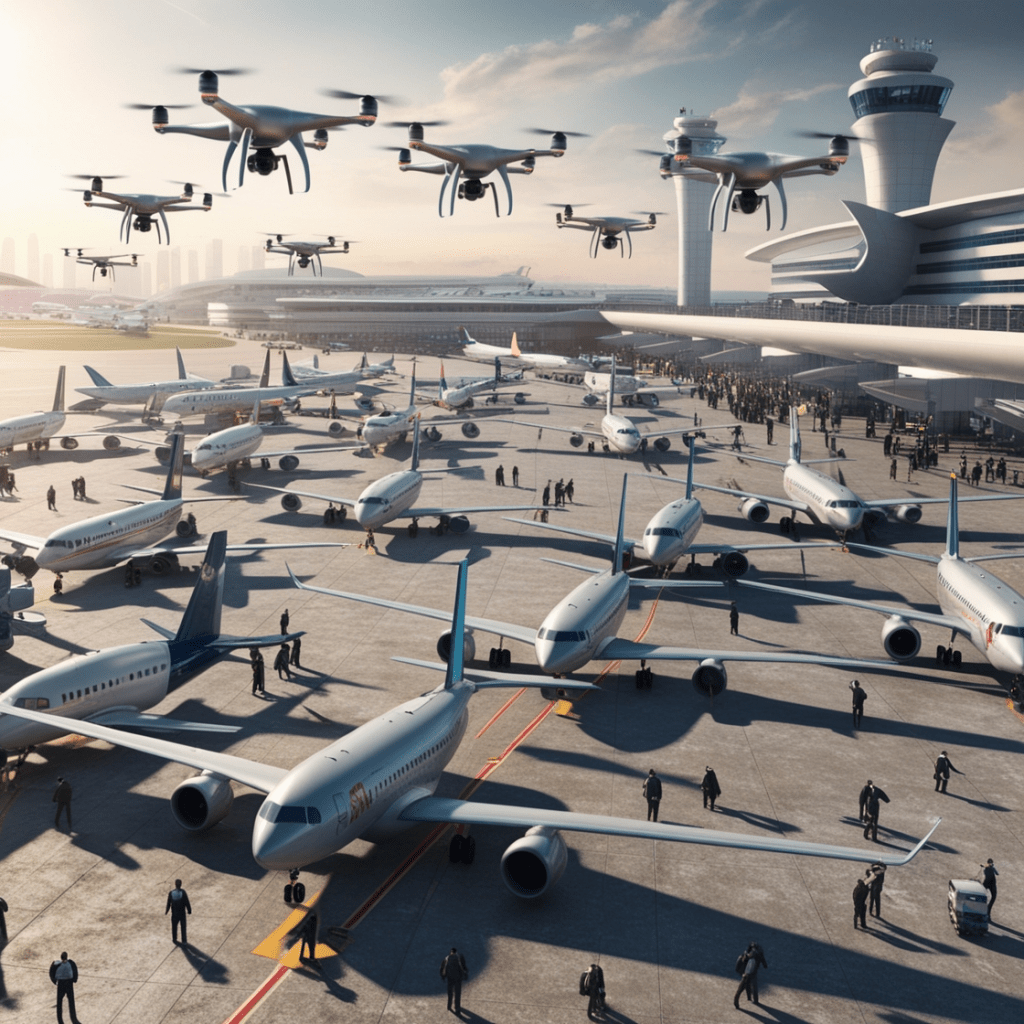
And the risks aren’t limited to accidents. Malicious actors could exploit this newfound freedom to disrupt airports, military bases, or critical infrastructure. It’s worth recalling how a single drone shut down London’s Gatwick Airport for two days in 2018. What happens if this scenario is repeated on a larger scale by “bad actors”?
The stakes are high and the potential for dystopian consequences looms large.
Should You Buy a DJI Drone in 2025?
For U.S. buyers, purchasing a DJI drone in 2025 comes with risks. American authorities have grown increasingly suspicious of Chinese tech, citing concerns that DJI drones could relay sensitive data to Beijing. Trump will assume office next week and he’s talked big during his election on being tougher on China on many fronts.
While DJI remains a leader in drone technology with a huge market share, its future in the U.S. market is uncertain. So, it would be prudent to hold off any purchases of new DJI products for the time being. Be on the lookout for US-made drones in the market going forward to avoid disappointment in case of a nation-wide ban.
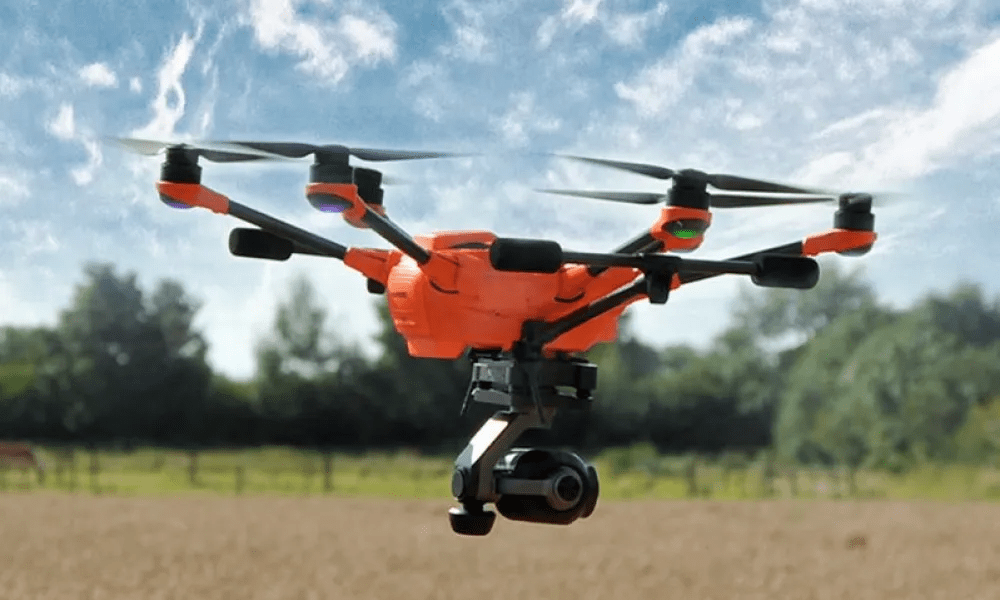
Here are some alternatives to DJI drones out in the market.
Further resources:
About Alex
I’m a bit of an eccentric, based in Lisbon, Portugal, and on a mission to explore every corner of the globe. Along the way, I’ve been capturing stock images and footage, dedicating the last ten years to building a career as a travel photographer, videographer, and freelance writer. My goal? To inspire others by sharing unique insights into this fascinating industry—while calling out scammers when necessary.
I’m proud to have written a book about my adventures which includes tips on making it as a stock travel photographer – Brutally Honest Guide to Microstock Photography


 Alexandre Rotenberg's Brutally Honest Guide to Stock Photography & Footage
Leave a comment