
Over four years on from 7 tips to creating book cover success article I figure it’s time to update that post with valuable lessons I’ve learned since then.
I fully realise that this post isn’t for everybody (no hard feelings if you don’t read on) – perhaps you’re interested in becoming a book cover contributor or you’ve already been approved and looking to increase your sales…either way, this will be a valuable post. I’m also going to discuss my book-cover journey from the mid-1990s to the present. Let’s get started!
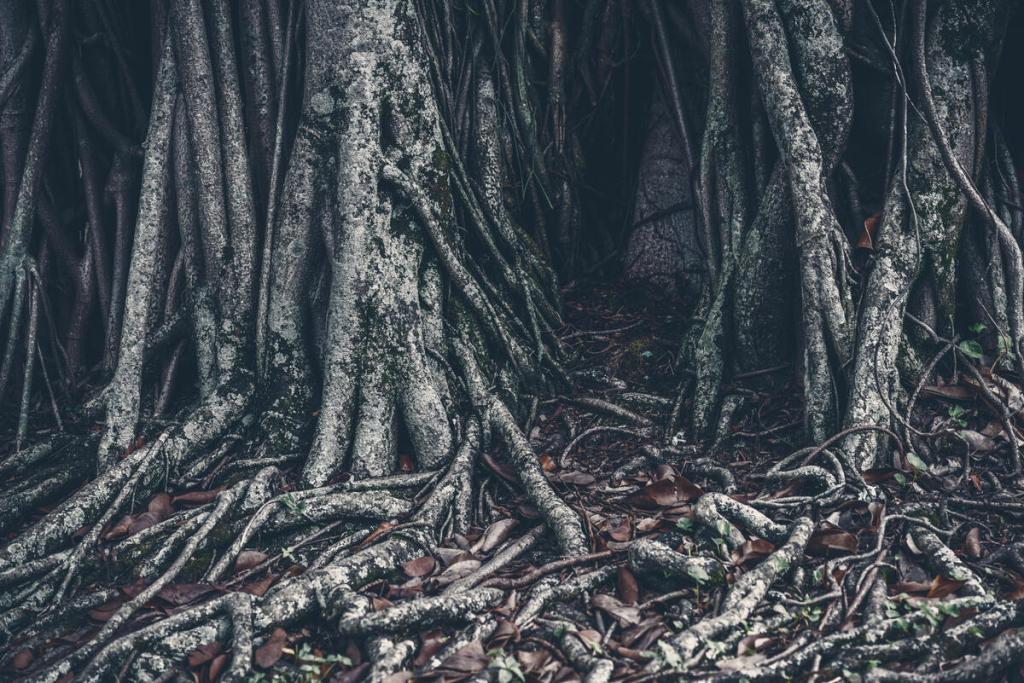
Back to the mid-1990s
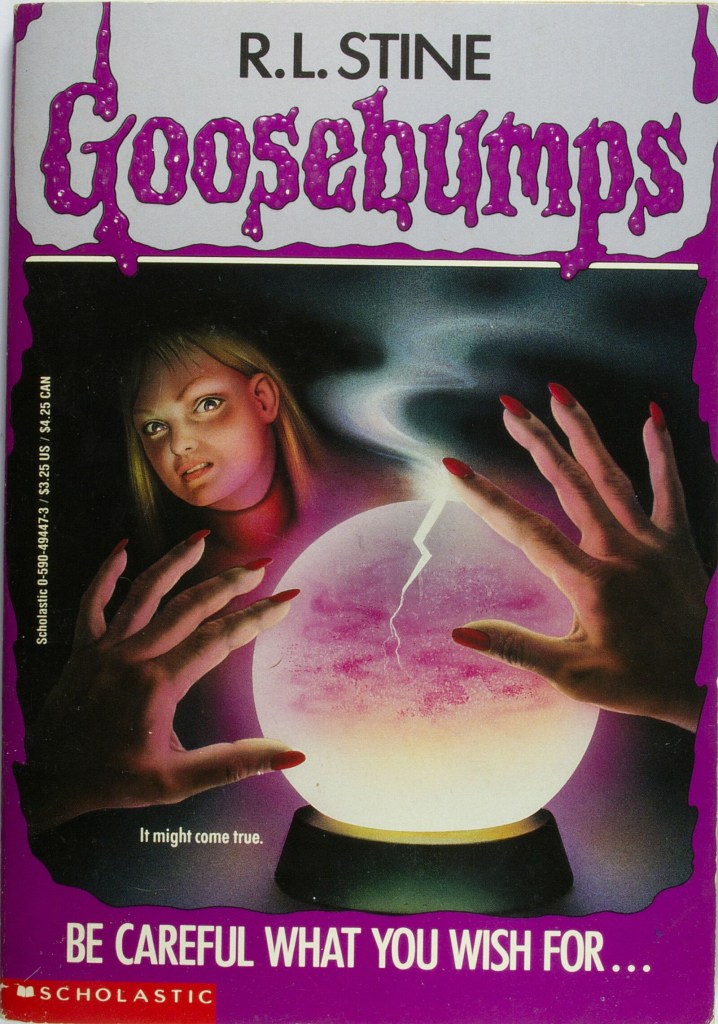
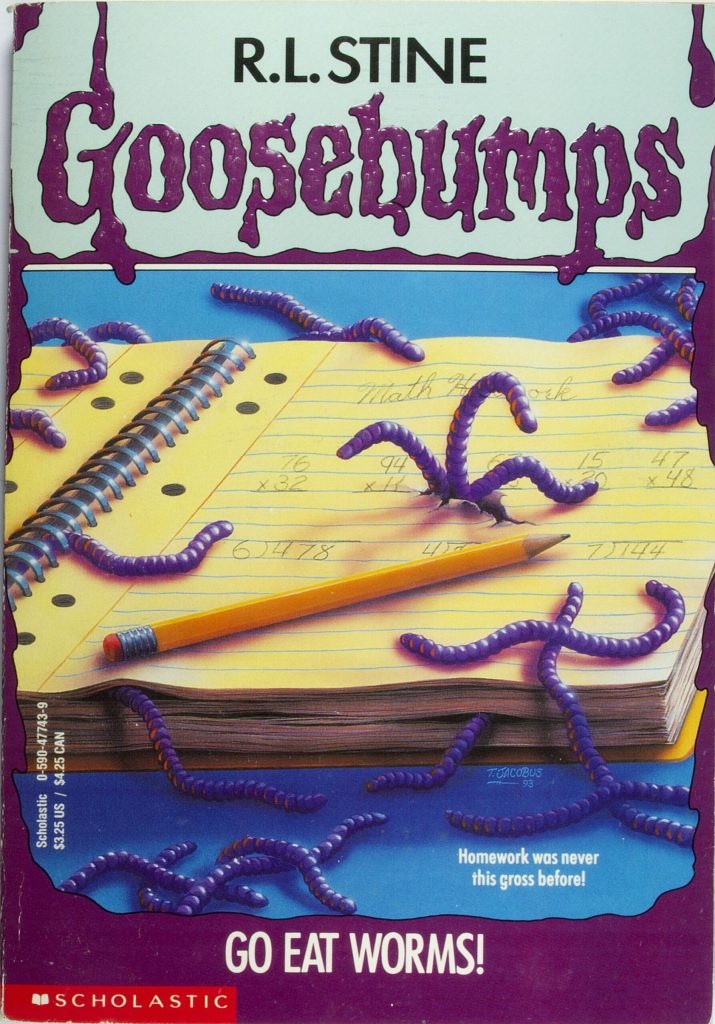
Before outlying these 5 valuable tips I would like to invite you while I take a trip down memory lane 30 years in the past on how I got started with book cover photography. I was just a teenager and obsessed with R.L Stine’s Goosebump series.
The stories were great but best of all were the covers. In total, 240 books were published and I had a few dozen. Here are some examples of my favourite covers:
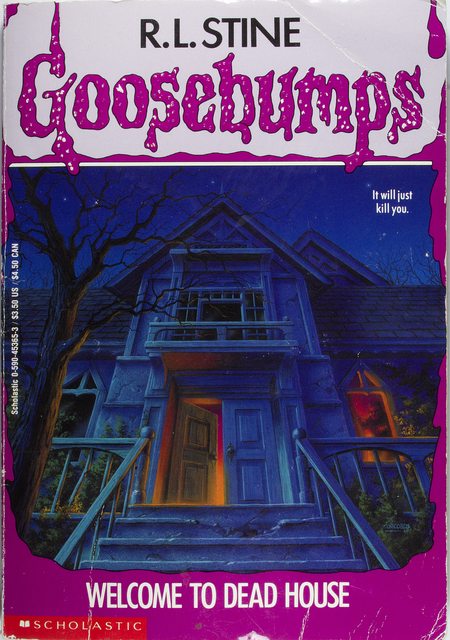
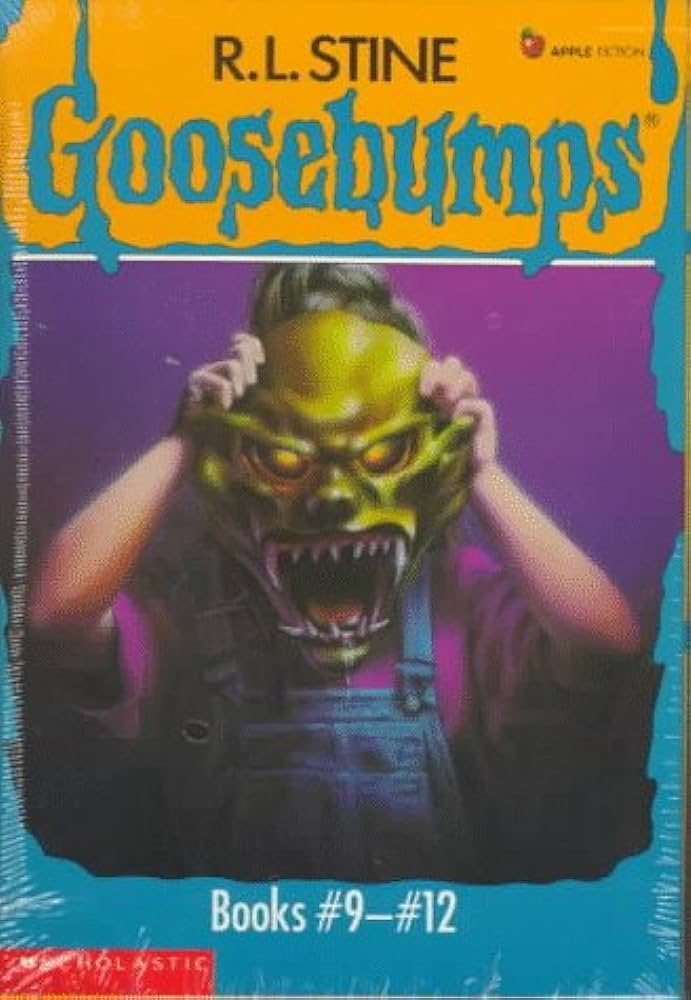
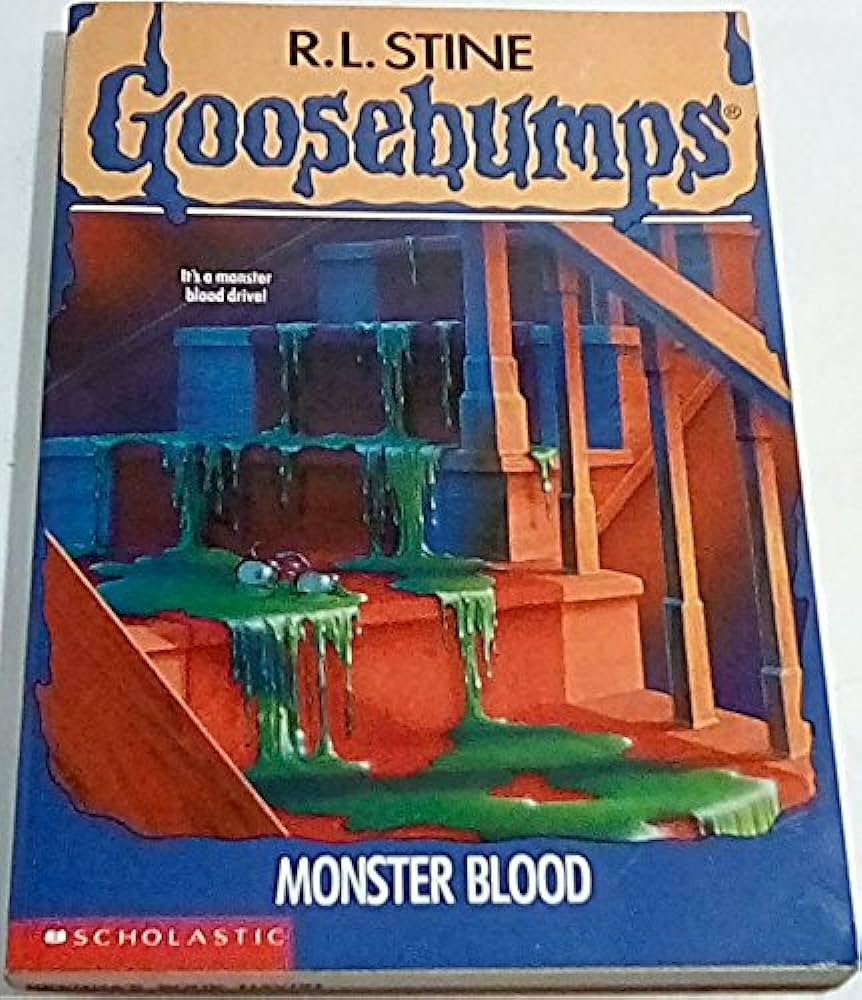


Late 90s, Start of photographic journey
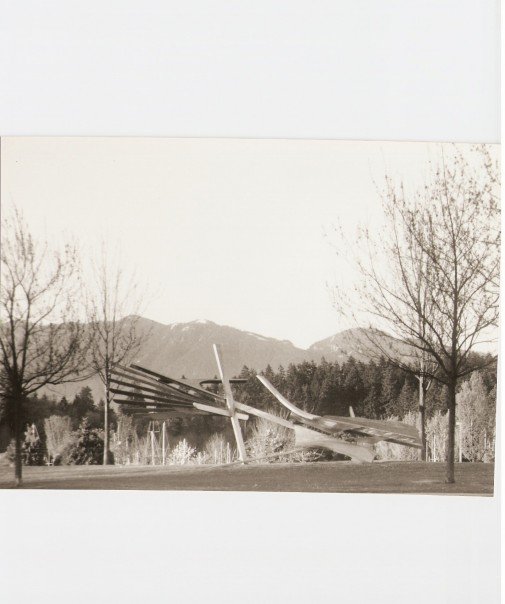
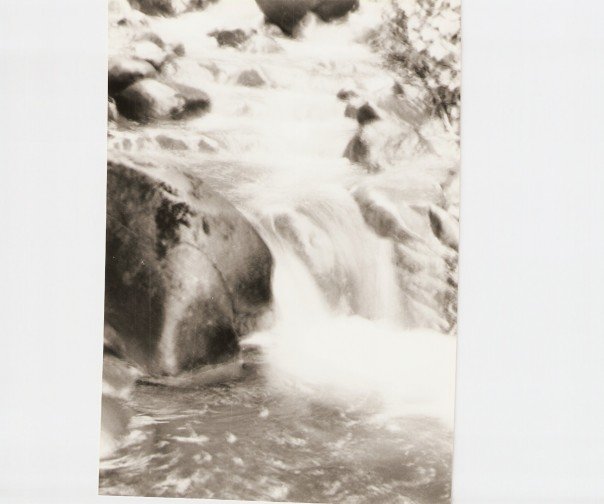
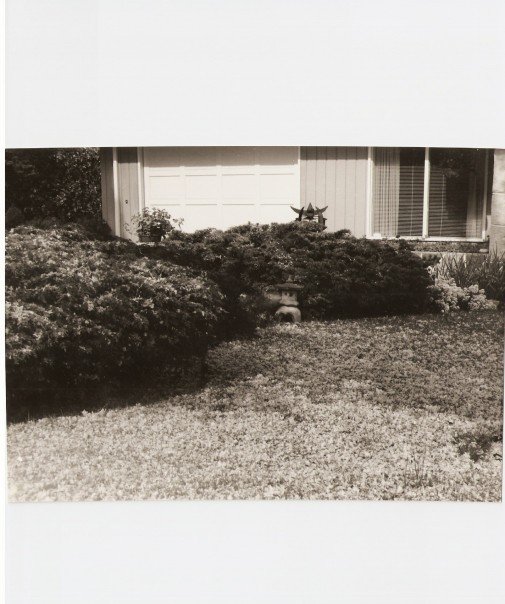
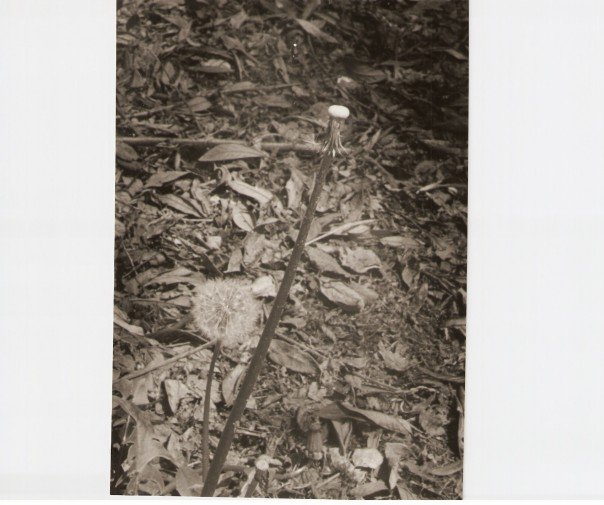
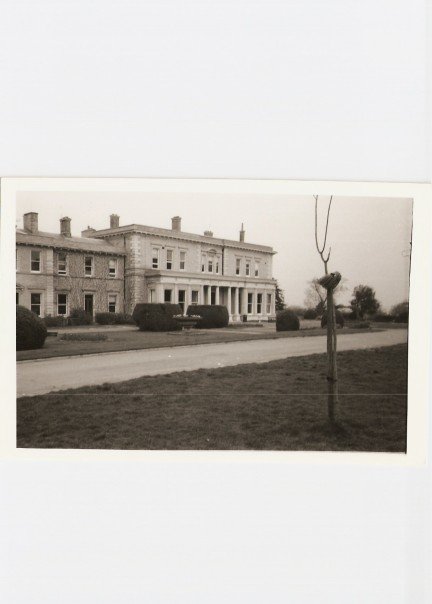
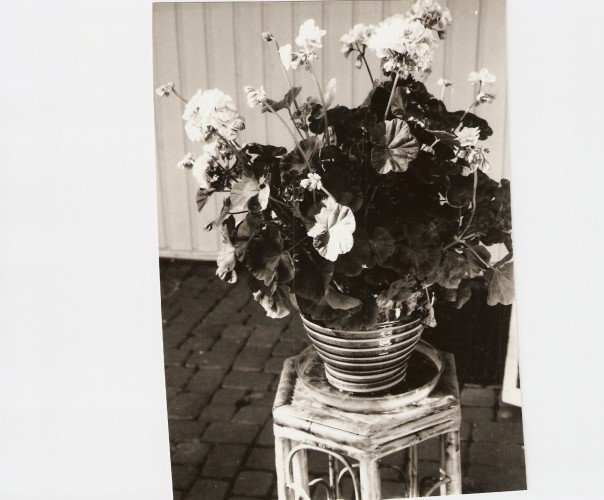
A few years later, around 1998/1999, at my High School in Canada, I would go on to choose photography as one of my electives along with Adam Melnyk who was interviewed on here. Even though digital photography was still in its infancy (much like Artificial Intelligence now), I was shooting film. Here are some of my early works that I submitted to my class portfolio.


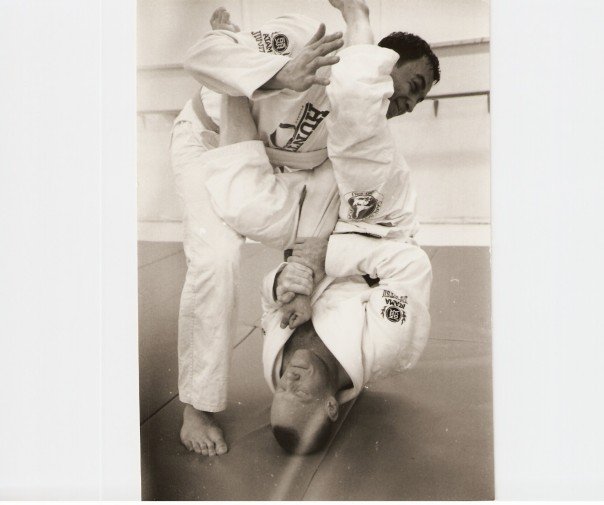
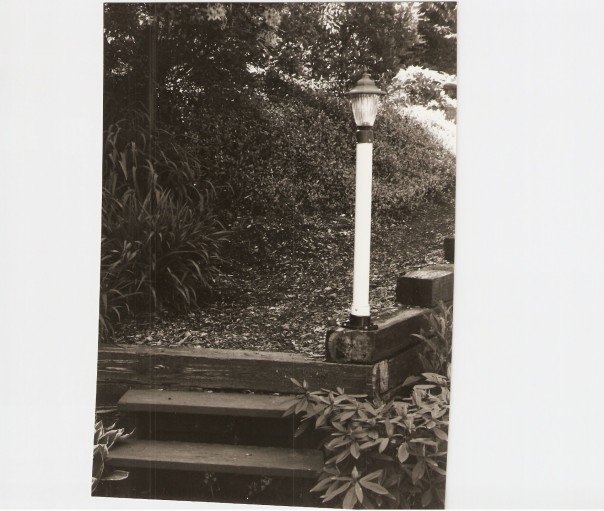
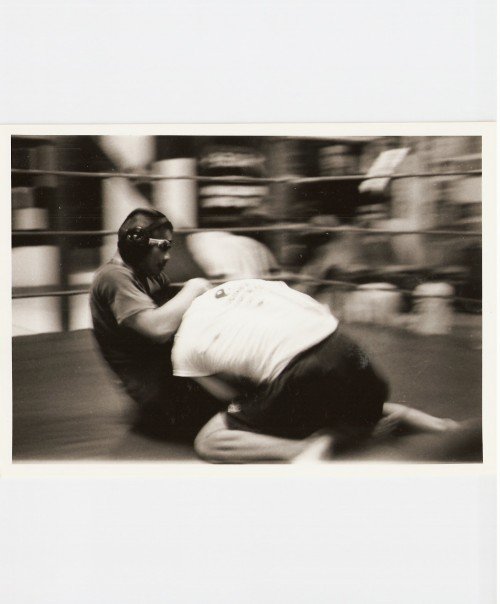

Let’s Fast-forward to 2015 – Accepted at Arcangel
Despite nearly 20 years since shooting artistic monochrome images in High School, around 2015 it felt like the hunger was still there to produce such images. Already frustrated with microstock photography, even in those early more profitable days, I was looking to diversify into something more creative when I stumbled upon Arcangel.
Back then, if I recall correctly, I put together a collection of 20 images, including some of the following and was duly accepted. I was living in the Netherlands at the time as you can see from this first batch!

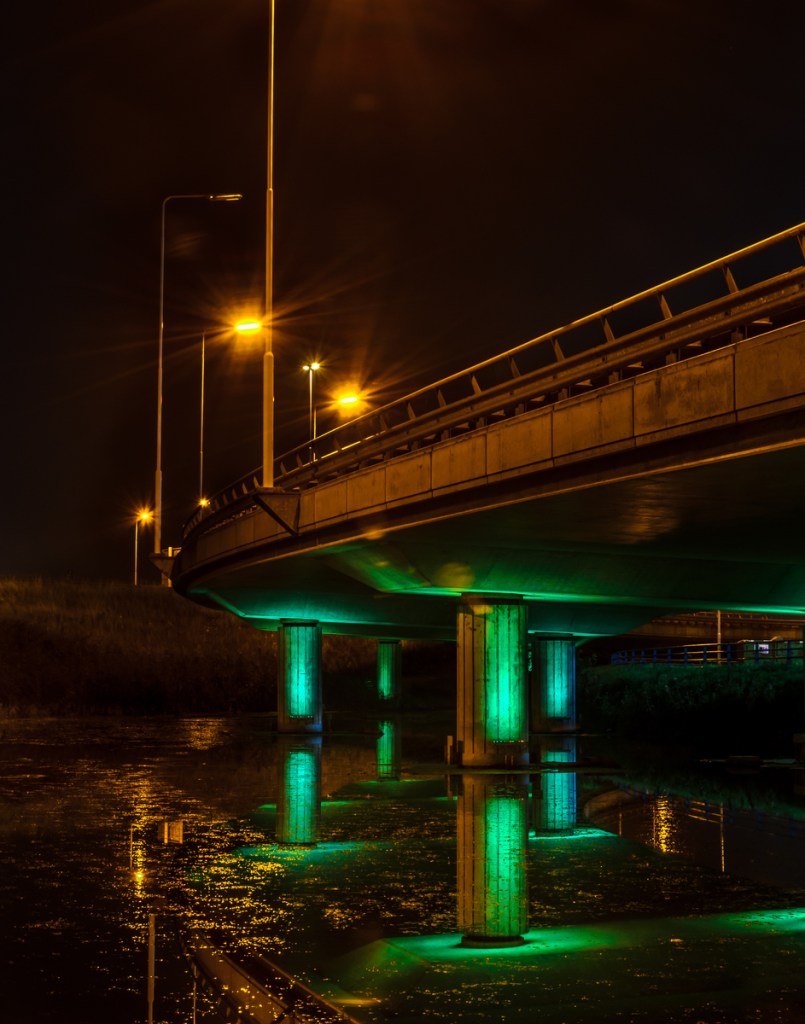


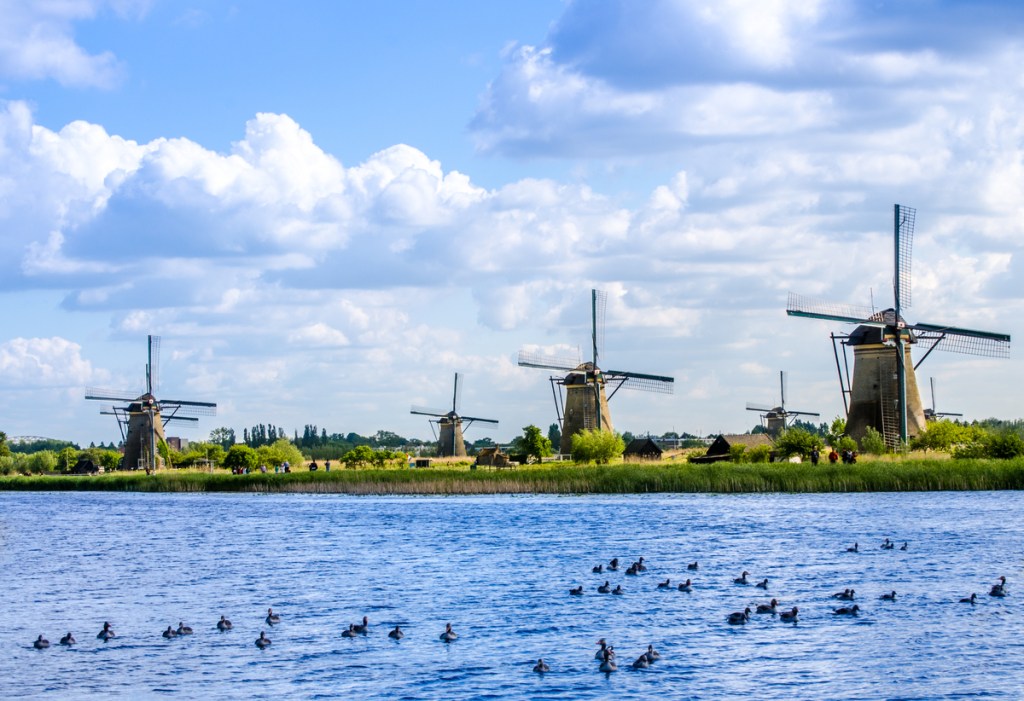

I barely uploaded to Arcangel within those first two/three years and when I did they were usually just random travel landscapes in horizontal which weren’t that useful for book covers anyway. I was clueless for the most part.
My first sale in 2018!
I was uploading sporradily at Arcangel and devoting only perhaps 10% of my efforts to creating book covers with the remainer going towards microstock. So naturally the rejection rates were super high and my port was only growing slowly. Sales were growing at micros and I started creating videos at the time so I was distracted.
Therefore, I felt no need to devote more time/effort towards creating book covers than maximum 20% of my efforts. Nevertheless, in July 2018, with my port at only around 500, to my surprise I received notification of TWO SALES earning me a net $243 total, for these:


I was super happy. In the end, 2018 proved to be a strong year with a further three sales earning me just over $1,100 net. With five sales that year I was ready to put in more effort into Arcangel at the expense of micros.
2019 – Bring it On!
With renewed vigour, by 2019 I was regularly uploading to Arcangel devoting around 25% of my time/effort with a further three sales to boast that year. Overall I was happy since it was a super strong year at microstockland as well when I earned $11,000, so the extra earned at Arcangel was a nice bonus.
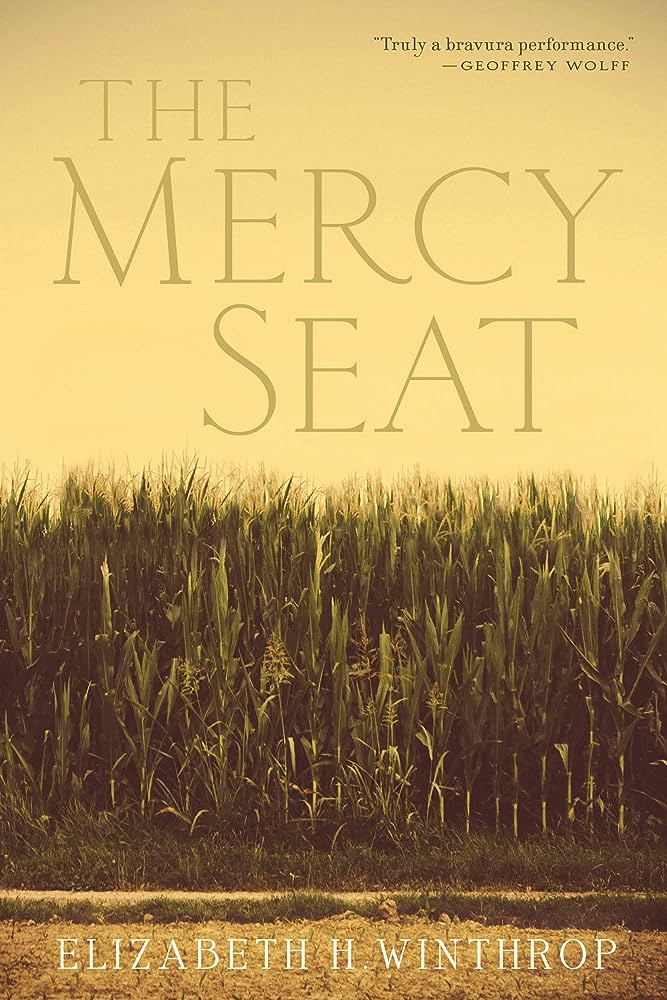
At the end of 2019, my book cover port stood at 775.
2020 – Pandemic-time
As everybody knows, 2020 was a weird year and I spent much of my time at home and worked on clearing my backlog. When I did travel I was devoting around 30% of my time/effort to shooting for book covers. With an increase in the volumes came the rejections, which I wrote about here…where at one point I was receiving 95% rejections on batches. Completely lost I was!
At the end of 2020, my book cover port stood at 959.
Guidance from Arcangel
Following on my the above post, Nash Mascaro, Arcangel Sales Director, kindly reached out to me in mid-2020 and we had some great productive chats on how I could improve my images both to have less rejections and obtain more sales. Also, their app offered valuable tips.
Despite the overall high rejection rates, 2020 was a strong year with 6 sales earning me just shy of $2,000.

2021 – Reality Bites
Encouraged by a strong 2020 sales-wise and motivated by the coaching, I was confident that 2021 would be a breakthrough year with more accepted. Overall, my effort towards book covers increased to around 40% with the rest of the time devoted to creating microstock images and videos, particularly of the ongoing Covid pandemic, which resulted in some decent sellers, such as the below.

As for sales, 2021 was poor at only 2 for just over $200. At the end of 2021, my book cover port stood at 1,129 with still many rejections.
2022 – Finally a breakthrough!
I must say that overall 2021 was a depressing year as I watched helplessly as microstock sales collapsed and it was at the peak of the pandemic with all those restrictions on movement. However, things were looking better in 2022 when those annoying restrictions were being slowly lifted which coincided with me having more free time away from my dreaded corporate job and having invested in a drone. In total, I was devoting around a record 50% of my time/effort towards capturing book covers during the year.
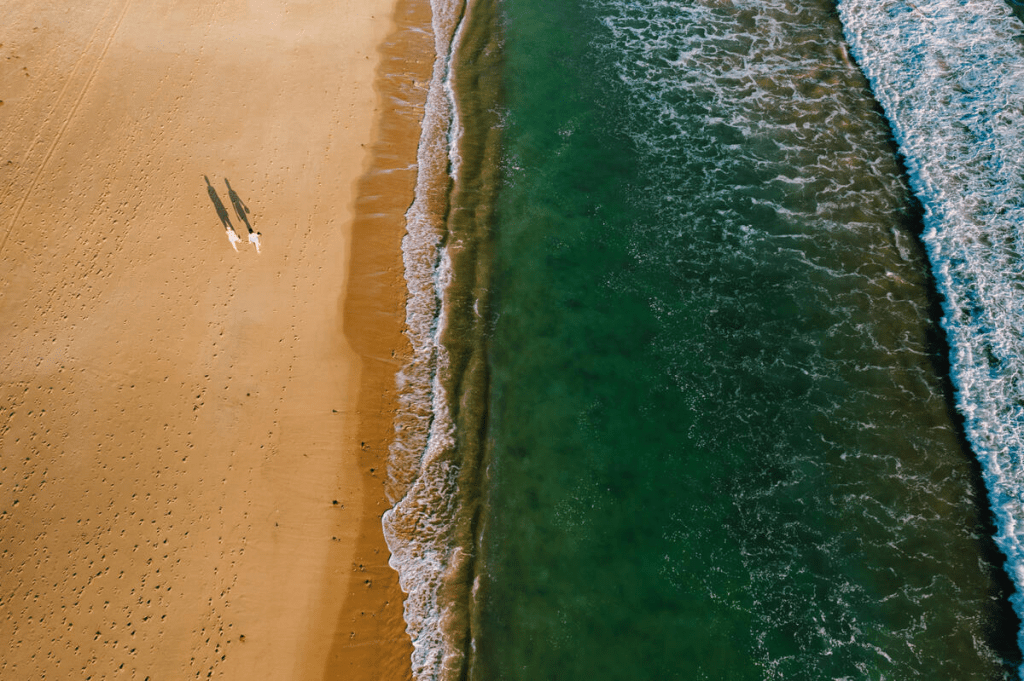
My first US/worldwide Sale
At least the effort that I put in during those two years prior was rewarded with a record 7 sales earning me just over $2,000, including a large sale to the US-market for this drone shot.
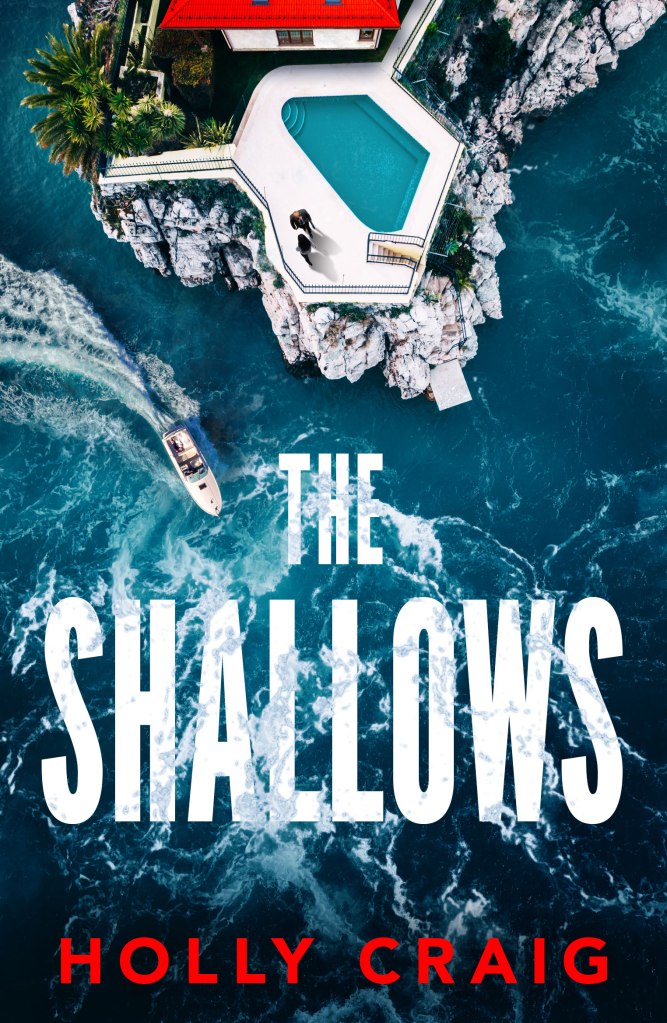
In just one year my book cover port almost doubled to 2,017.
2023 – Consolidation
My movitation for creating book covers was at an all-time high at the start of 2023 and I upped my time/effort to around 60%. Looking back, without a doubt it was also the year where I produced some of my best work, which includes some of the following:
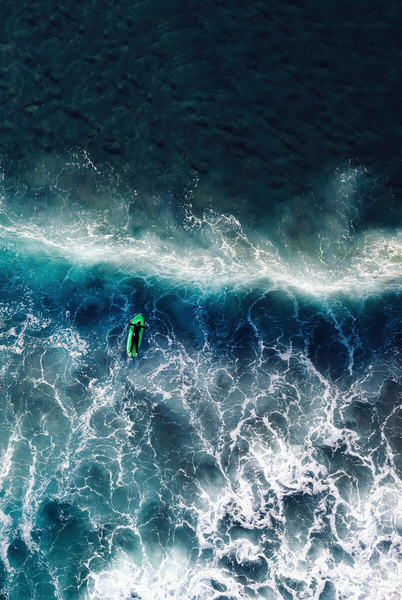
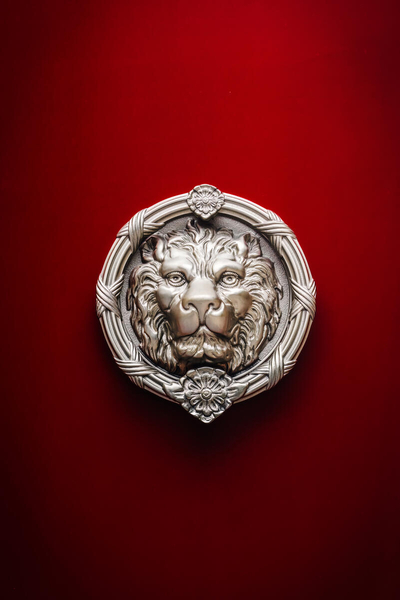
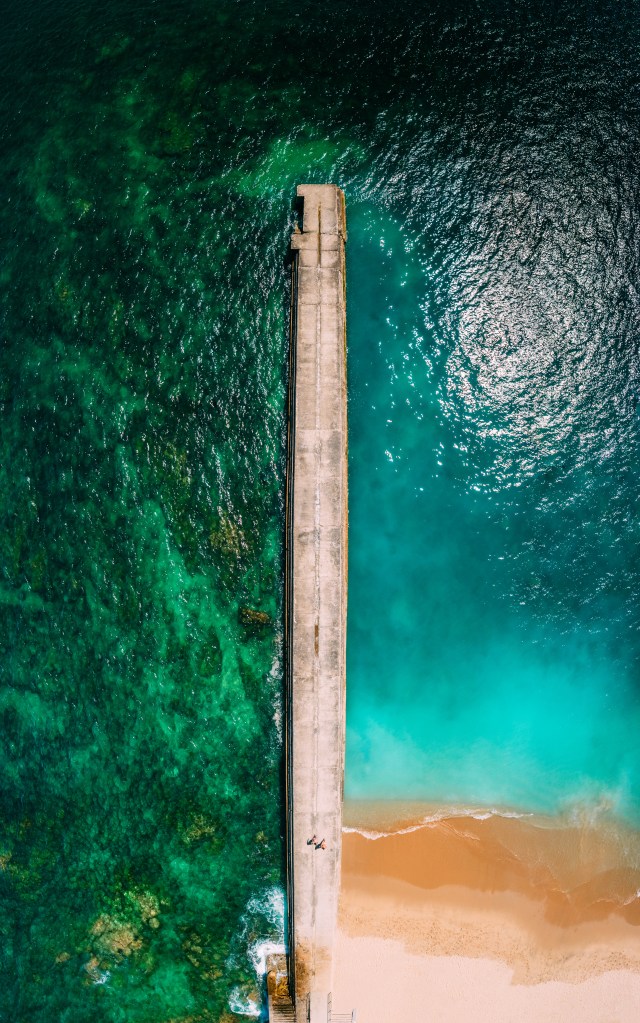
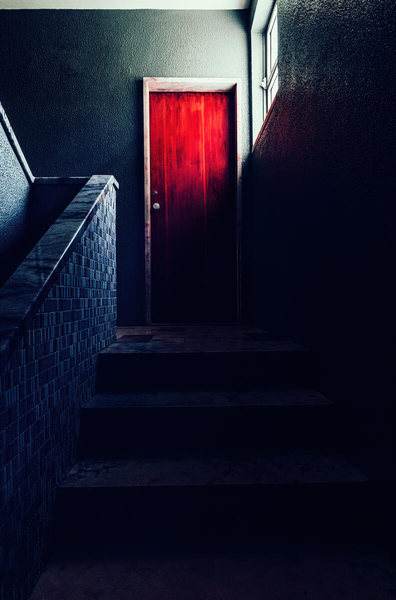
However, despite the high quality and relevance, sales were poor at only three for relatively small amounts. Despite the poor showing, my motivation was unaffected I’ve always taken the long road approach (see Tip 1 below).
At the end of the year my book cover port stood at 3,626 a whopping 80% increase year-on-year.
2024 – Full Steam Ahead!
Just over one month into 2024 with a port at 3,800 and three sales, I’m happy to report that I’m devoting around 70% of my time/effort towards creating book covers.

Still early days this year and I may increase that to perhaps 80% or even 90%. Why not 100% you may ask…well perhaps one day but I still do manage to obtain regular editorial sells at micros as well as those aerial commercial cityscapes.
Now let’s discuss those updated Top 5 tips.
After all these years, my top-5 tips to achieve “success”
I’m by no means “successful” with book covers even if I can boast 30 book cover sales to date. I look at some of my competition within the agency, including those that I’ve interviewed on here, and at other libraries and I’m constantly humbled, which is positive as it means I still have a lot to improve.
Neverthless, even at this relatively early stage in my career, I’ll openly share with you some of my top 5 tips to help you on your journey.

Tip 1 – Play the long game
My first tip is to be patient. Perhaps you need to earn right away, so I would just go ahead and say that this isn’t the right business for you.
Patience is not synonymous with the current instant-gratification generation, particularly when anybody can create Artificial Intelligence content within a few seconds with a simple text-query. The book cover industry works very differently and the process is often at snail’s pace and rightly so since the cover needs to be perfect as it will have a impact on sales, both positive or negative.
As you can see, I’ve been uploading since 2015 (very slowly at first) and only really picked up steam in 2021. Therefore, a mentally weaker version of Alex could have easily quit in 2020 with little to show for all the effort and few sales. I know many other contributors who have quit in the early days and it’s quite sad actually since I feel like some were quite close to making a breakthrough.
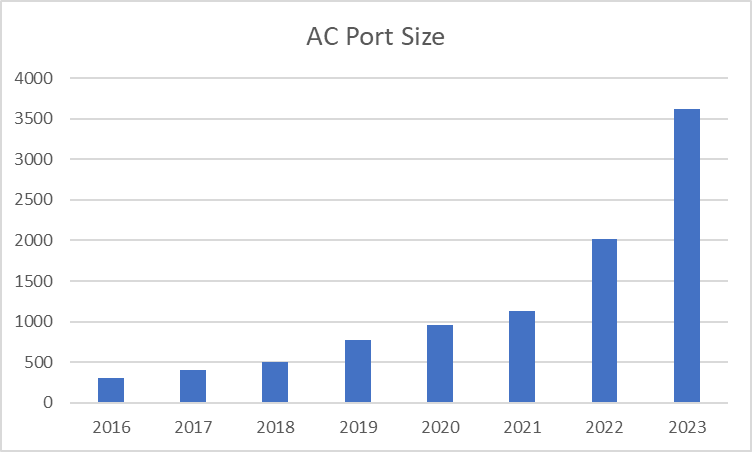
Therefore, if you’re still in the early-days I’ll advise you to give it at least three years as a minimum with regular uploads in order to set yourself up for “success”. In the meantime, although it’s normal to be frustrated, it’s crucial to look at rejections as “feedback” to improve.
Tip 2 – Benchmark yourself against your competition
Let’s suppose that a large UK publisher is searching at Arcangel for a “young woman, bathing suit”, which on the collection there are already over 1,000 hits. I happen to have half a dozen or so such images, but is it possible for me to compete with the best of the best? It’s difficult but there are certain things that I can do, such as going aerial with the drone…”young woman, bathing suit, aerial”, has only 6 hits! Much easier to stand out!
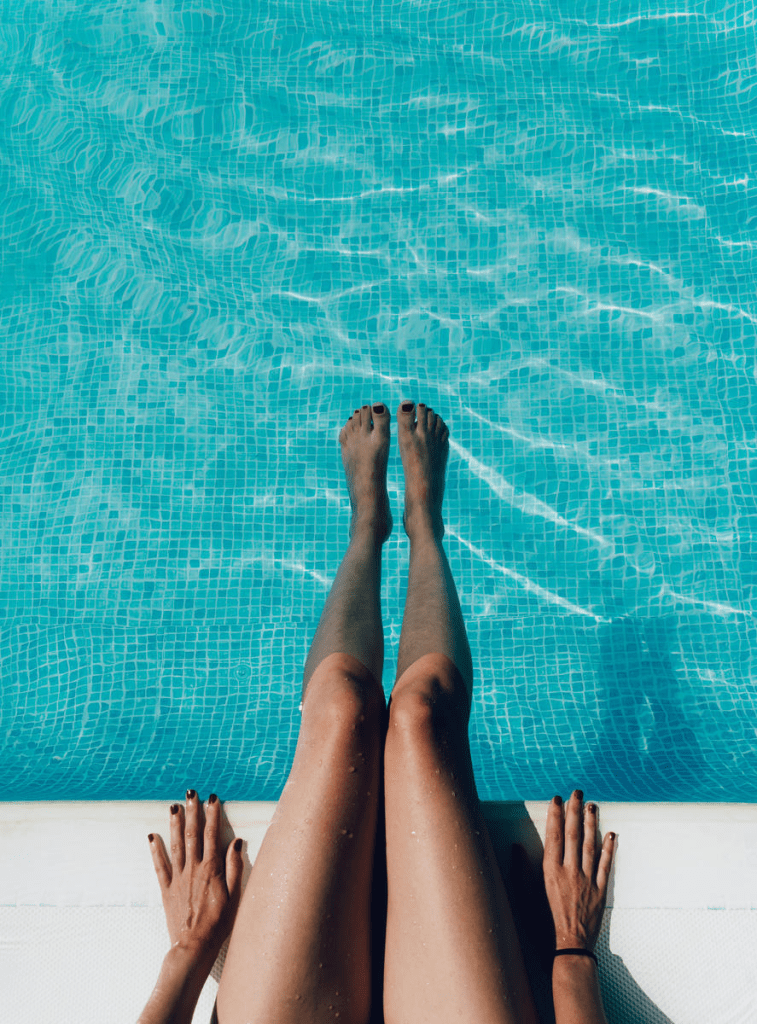
In addition, I tend to see other contributors who have a similar style and genre to mine and try to benchmark my work accordingly, along with looking at what has been accepted within the collection on a weekly basis.
Your content must AT LEAST match the quality of those images. If you’re not quite there yet that’s OK, just be aware that buyers will most likely overlook your content towards those contributors with higher-quality content that is more relevant.
Tip 3 – Finding and Exploiting your Niche
Following on from Tip 2 on benchmarking against the competition, the next tip is all about trying to stand out from the competition within your niche.
If you’re just starting out perhaps you don’t have a clue what niche you’re in and you’re just shooting whatever you find will make for a book cover. Initially that’s fine as you’re still learning the ropes and you may even want to shoot some “book cover classics” such as the young attractive woman in a red coat running in a forest.
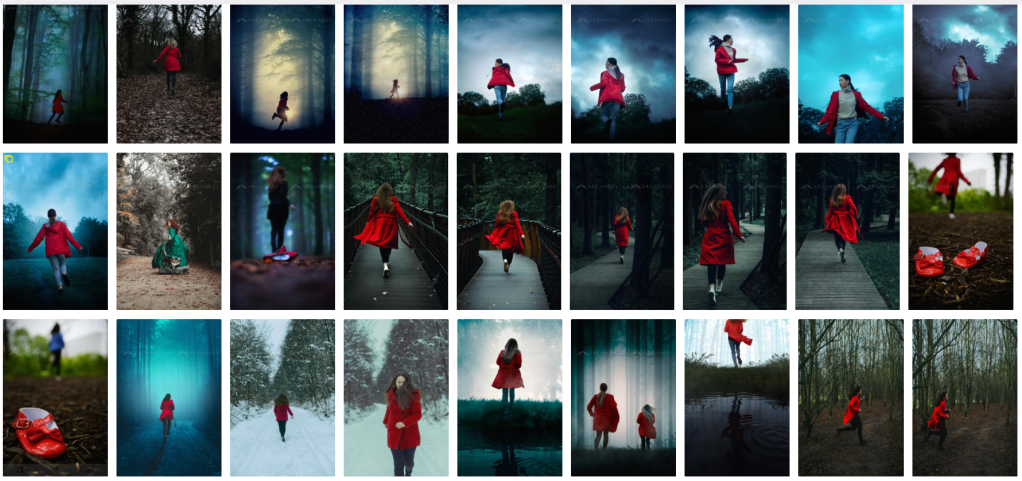
But eventually you’re going to want to get more specific to really stand out. I’ll try to illustrate this point with my own work. Only speaking about myself, my niche, I suppose, is within travel. At first you may think, well that’s quite generic and it is…many other Arcangel contributors are also travel photographers, but my kind of travel photography is somewhat different than others in that while I travel, I also have access to different places that most other contributors may not have ready access. As usual, I’ll illustrate with four examples:


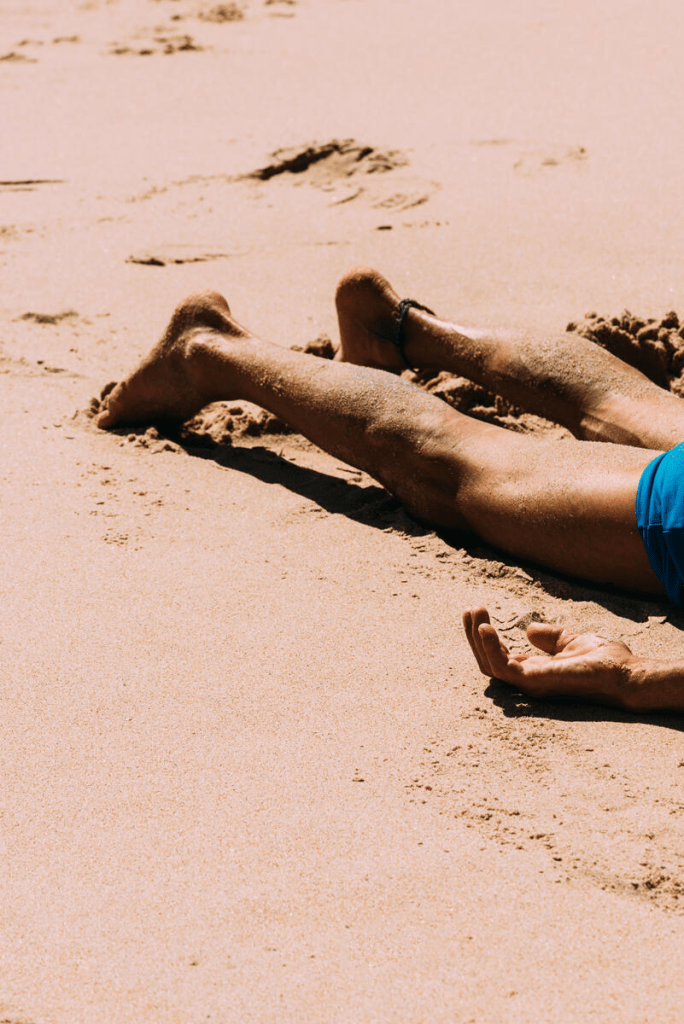

Once you’ve identified a niche, do your best to become an expert at it. Don’t make the fool’s mistake to try to compete in an unknown yet potentially profitable niche. For instance, why would I ever deviate from my niche to try to create concepts in the “historical” genre or create advanced blended photoshop concepts. I wouldn’t stand a chance against the likes of Abigail Miles and Dave Wall!
I can, of course, improve on my photoshop skills which I’m trying to do but I realise that I still have a long long ways to go until I can even get closer to Dave Wall’s skills.
Shoot what sells vs what you like
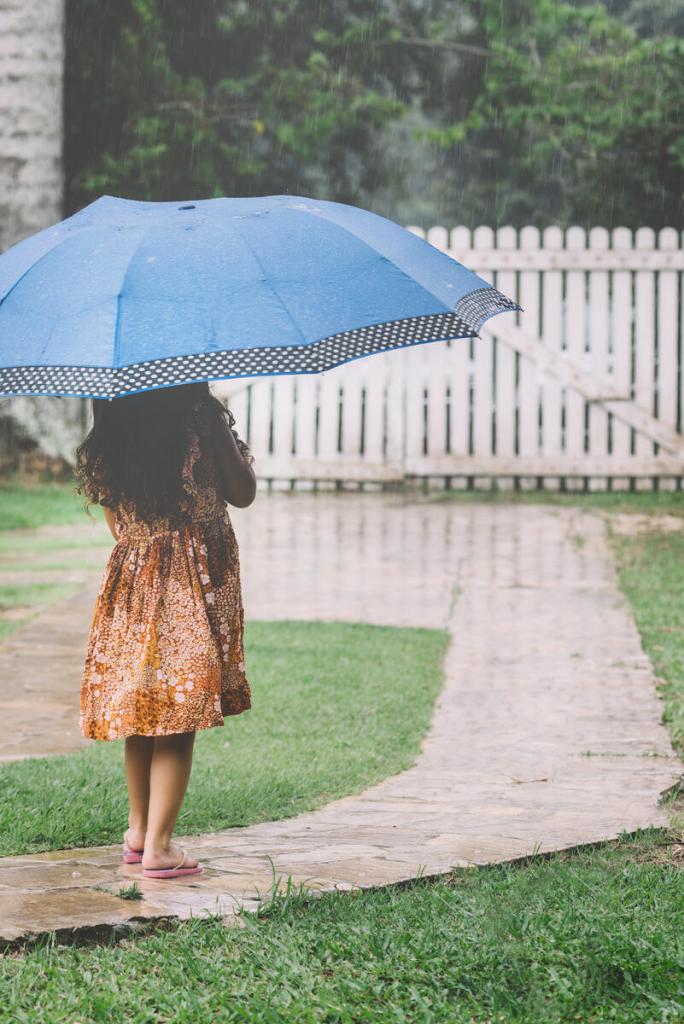
A further tip is to come to the realisation that perhaps what you like to shoot isn’t the most commercial. This also applies to shooting for microstock. Perhaps you’re a specialist in insect macros, good for you but don’t expect huge sales! Particularly for Arcangel you’ll need to strike a balance on what you enjoy shooting with what can actually sell. In my case I think I’ve done OK in particularly shooting my niece for book covers. I don’t really enjoy shooting models so much but have made the effort and it’s not so bad…actually working with kids is easier than with adults I find as they’re often less self-conscious!
Tip 4 – Do your research!
Four years ago I gave you this tip and it’s no different this year, in fact it’s probably even more important nowadays. If you want to create selleable concepts you must research first out there what is currently selling otherwise you may just be wasting your time as you’re shooting in the dark.
Further to the basics of researching new covers at Amazon, Barnes & Noble and WHSmith, where you’re able to filter according to your niche (historical, horror, fiction, romance, etc), you would do well to follow other book cover contributors and designers on Instagram for inspiration.
No need to re-invent the wheel
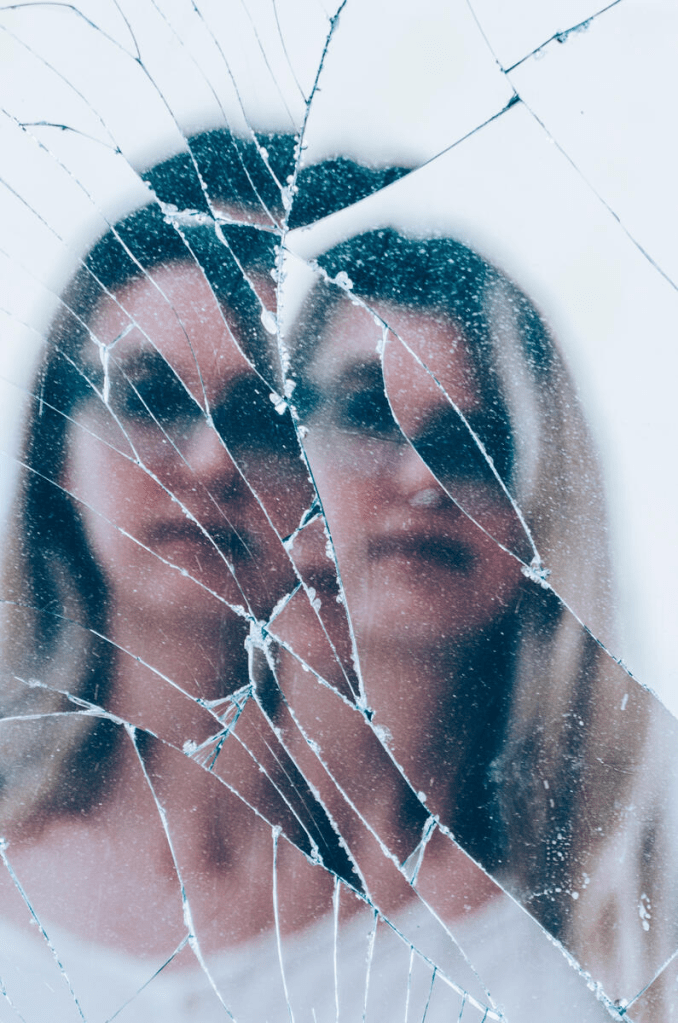
There are some concepts that sell over and over again and it’s not terribly difficult to try to re-create them using your own style. For instance, the broken glass with an image of a woman as, I’ve done below, can be interpreted widely as a broken marriage / domestic disturbance or someone with deep psychological issues.
Putting yourself in the shoes of the designer
As part of your research you should be trying to “think like a designer”. At this stage, I’m well beyond the basics of “provide enough copy space”…now it’s much more about “does your image make sense?” This means dissecting the covers piece by piece, including colour, texture, mood and framing.
For instance, when using a model and you’re trying to convey a somber mood, it doesn’t make sense to use warmer colours and sun flares (especially indoors). Or you shoot a model with an awkward stance in an otherwise comfortable living room. Or you’re going for a 1950s style shoot but the model has modern-looking makeup. Or someone is awkwardly holding a knife or gun without intent. And so on…

Less is more
The old cliche of “less is more” is relevant here when the goal is to keep things more simple with enough room for designers to “work their magic”. For instance, on my latest cover, a designer cleverly added a boy to the right of the model. If I had the model wearing a hat it may have narrowed the scope of the story and the designer may have overlooked the image for one that was more simple. Of course a designer these days can remove a hat but it’s extra work. Generally, it’s easier for a designer to include elements than remove them.


Tip 5 – Don’t Rush Your Workflow
Back in my earlier days whenever I finished a shoot I was eager to get to work on it and upload right away. This is a mistake, in my opinion and I’ll tell you why.
Rushing your workflow for microstock is probably OK as buyers generally don’t care about quality anyway especially these days as they’re paying almost nothing under subscription plans. These images will inevitably end up on low-quality publications full of annoying ads anyway. Or seen by millions of people and only earning you $5.
However, for book covers, since buyers are paying at minimum 100 times more than the average microstock price, the fact that they will be placed in physical books with a legacy element means that your submissions need to be as high-level as possible. Clients really demand the highest quality. This means that once you’re done your shoot you really should take the time necessary to make the image as perfect as possible, including zooming in at 100% to mitigate imperfections. If you don’t the AC reviewer and certainly the designers will and won’t be happy to see all sorts of nonsense such as dust spots, bad cloning jobs and bad composite work, etc.
One technique I’ve been using for a while now is never to submit on the same day of the shoot. I’ll still work on the batch, no problem but will look at them on the next day with “fresh eyes”. You’d be surprised how many mistakes I’ve picked up on a second or even third viewing.
Bonus Tip – Take your camera everywhere with you
This bonus tip has ensured that I was always at the right place at the right time. Sure, sometimes it’s a bit of a hassle to always be carrying around the gear but it’s well worth it to avoid regrets.
In fact, many of my best shots were taken on a limb while just walking around or in between engagements.


Conclusion
Hope you’ve enjoyed learning more about my artistic background and my progress at Arcangel, which still has a long ways to go. Often people see “success” blindly and don’t realise all the sacrifices people have made during many years to get to where they currently are (frustration, rejection, etc) – the tip of the iceberg cliche comes to mind.
Hope you keep following me on my journey and I’ll update this article series with 5 fresh tips a few years from now, with hopefully a few more sales under my belt!
I could go on all day giving all tips and tricks to have success but it will inevitably turn into an ebook or even more. Feel free to comment below and I’ll be happy to answer!
Until next time!
About Alex
I’m an eccentric guy, currently based in Lisbon, Portugal and currently spending “the winter months” in Brazil, on a quest to visit all corners of the world and capture stock images & footage. I’ve devoted eight years to making it as a travel photographer / videographer and freelance writer. I hope to inspire others by showing an unique insight into a fascinating business model.
I’ve gone all in on submitting book cover images to Arcangel Images. Oh and was also flying a DJI Mavic 2s drone regularly (although it crashed into Botafogo Bay on NYE – here is the story), which I’m likely upgrading to an Air3 in 2024.
I’m proud to have written a book about my adventures which includes tips on making it as a stock travel photographer – Brutally Honest Guide to Microstock Photography
 Alexandre Rotenberg's Brutally Honest Guide to Stock Photography & Footage
Sometimes I think it would be simply wiser to focus on this kind of business. I feel waves of encouragement to with with microstock but after while of getting pennies I think it it simply better to focus on dollars.
History of each person is different – you dedicated yourself to stock photos yet within this business comparing microstock and books gives simple result: better money and better reputation.
LikeLiked by 1 person
Microstock has earned me the bulk of my income but it feels to me like a dying industry and I have little to show for it other than the revenue. Especially with the AI stuff, it feels like the commercial stuff has an expiry date soon and editorials don’t sell for much despite the millions of views.
With book covers, even if I have earned much less, it’s a great marketing tool and conversation starter with other people. Indeed better reputation especially when pitching work with clients.
LikeLike
I’m curious what camera you carry around with you? Sorry if you have already answered this elsewhere. I’ve often wondered if the latest I phone would ever be acceptable.
Congrats on your sales and wishing you continued success.
LikeLike
Sure, the latest phone would be acceptable but do check first the technical requirements with Arcangel.
My go-to camera and lens is the Nikon D810 with the 105mm lens.
Thanks for reading!
LikeLike
Thanks for the great article Alex.
It has surprised me that the latest phone would be acceptable for Arcangel.
I’d assumed that they would only want photos from cameras.
Incidentally, do you think that books publishers might start using AI generated imagery and therefore undermining companies such as Arcangel?
LikeLike
Latest phone is quite impressive in terms of resolution. As long as it’s minimum 4800px it’s good to go. Also shoots in RAW.
I don’t think that AI poses a threat to the book publishing industry particularly the larger publishing houses. However, I fully expect self-published authors and perhaps smaller houses to use AI.
LikeLike
Thanks for a great article Alex.
It surprises me that a phone photo is acceptable for Arc – I’d assumed only cameras could be used.
Do you think that some books publishers might start to use (be using already) AI generated images?
LikeLiked by 1 person
I would suggest not using a phone. We are looking for the highest quality of imagery.
LikeLiked by 2 people
Arcangel contributors, please come directly to Arcangel for any technical advice and information. As nice as blogs are, they do not represent us and it can get confusing for existing and prospective contributors.
LikeLiked by 1 person
Thanks Alex for the insider info ! Book covers seems like a lower-volume, high quality, higher rewards part of the stock market for photographers. Would you say it’s more rewarding than general microstock which now pays a few cents ?
LikeLike
Hi, thanks for reading.
Yes, personally I find it much more rewarding and not just for financial reasons as outlined.
Financially speaking, it does take time to get going (3-5 years), vs microstock where someone can start selling almost right away. It’s possible to do both at the same time though with some discipline.
LikeLike
Hi again. Nash from Arcangel here. Just a little clarity from my side on this. Financially it will depend on the contributor, their skill level, and the relevance of their work. Photographers and Illustrators come from very different places.
Some may arrive at Arcangel with photography experience but limited Photoshop/post production experience and this will determine the type of work they can produce.
Some may come with a very good eye for book cover work and pick it up right away, some may take longer. There is no definitive timeline because people are all different as are skill levels. For example someone coming from microstock will have a completely different style to someone coming from a fine art background.
It’s also worth noting that the speed at which someone begins to sell will vary according to the time taken to understand the industry. There are contributors that have made this industry their main focus and there will also be some that dip in and out.
It is impossible to put a time on it. What I can say is that Arcangel and other rights-managed libraries are working with high-level clients who require the best images in the industry. We are super focused on book cover-focused photography and illustration and it isn’t normally something you can just jump into without the research, the technical skill level, and the motivation to truly understand the industry.
It is possible for someone to come in and start selling soon after joining but this would require the contributor to have done their research on covers, be at a high skill level and understand what it is the designers look for. You’d also need to be uploading on a consistent basis so that you build your personal brand. The more you understand book cover artwork, the better and more relevant your work will be.
The learning curve is down to the individual. How long it takes you to learn the skills of the trade is also down to the individual so what may take someone 3-5 years could take someone else 3 to 5 months. It’s really down to you and where you are in your photography or illustration career or learning journey.
There are of course other things to consider such as whether a contributor has access to professional models and knows how to pose them for specific genres, how much time they may have to put into this industry, if you’re a still life or landscape photographer whether you understand how to position, colour and frame certain subjects to make them saleable.
I hope this helps to clarify a few points. If you are interested in working with us, my suggestion would be to first really understand the market, research covers on publishers sites, barnes and noble, Amazon etc. and get a real feel for what it is we do.
The next step would be to evaluate where you are in comparison to what you see. If your work stands up in terms of quality and relevance then it’s a good time to apply.
Thank you all for your interest in Arcangel and apologies for the long response but it’s important that the right information is out there.
Thank you, Nash.
LikeLiked by 3 people
Thanks Nash, great info
LikeLike
Alex,
Curious about Trevillion vs Arcangel. I have tried submitting to both unsuccessfully a few years ago. Plan to try again but want to be sure I have the right (relevant) photos next time around. Your preference seems to be Arcangel. What are your thoughts regarding Trevillion? Thanks!
LikeLike
Hi,
I don’t really have a “preference” since I was rejected by Trevillion twice back in 2018 and 2019. Nowadays, I’m not sure if they would take me on but anyway I won’t try because I have a great relationship with AC and I feel it would be difficult to “play favourites” on which images to submit to where and rather just stick to one place. Plus AC have been very good to me and I feel it would be a sort of betrayal. But I know plenty of other contributors who are on both agencies.
From speaking with such contributors, Trevillion seem to be looking for a more “finished product” look…in other words, the image should almost resemble the final book cover (just need to insert the text), whereas AC is more of a template for designers to work. That’s my perception but I may be wrong! Trevillion also has a much smaller collection, less contributors and ports.
Would be great for those who are on both agencies to comment.
Hope that helps!
LikeLiked by 1 person
Thank you for that assessment. It’s very enlightening and helpful.
LikeLike