
Today I spotted one of my images licensed via Shutterstock Editorial (formally REX Features) to the Economist which boasts a massive following of literally millions of views every week. Here’s the image below with the link.
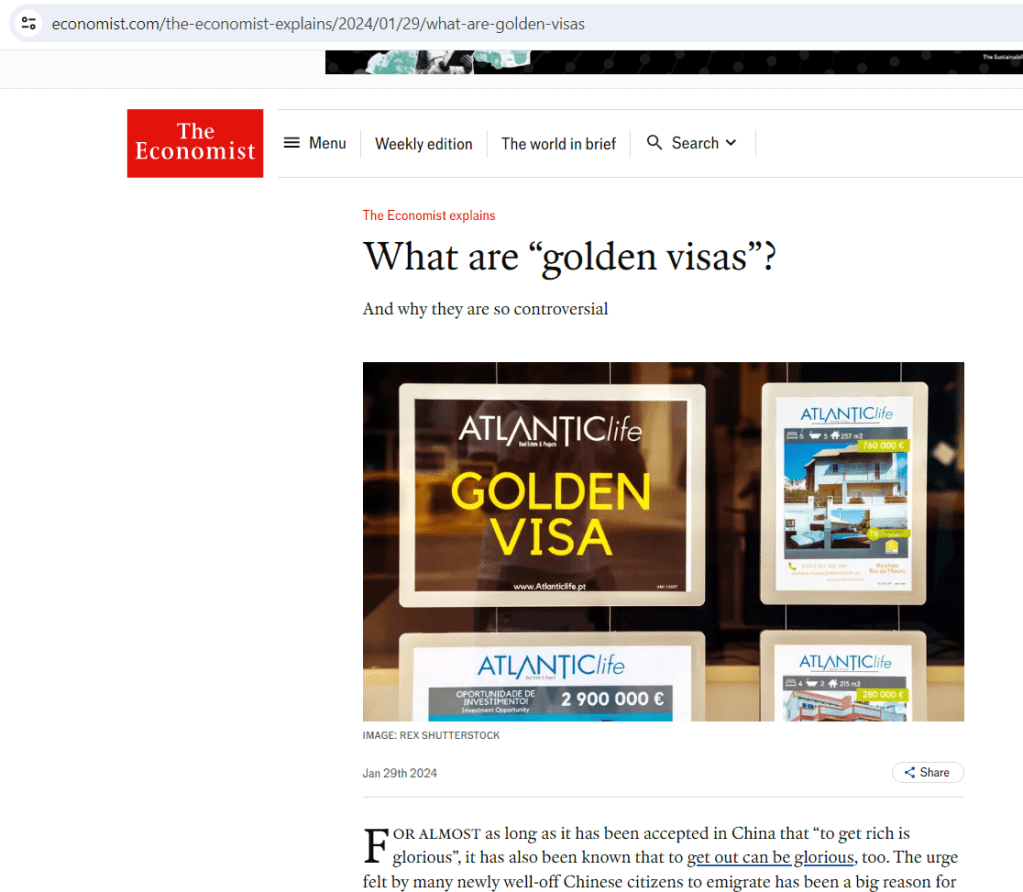
How much was I paid for this honour?
However, you’d think that I would be paid handsomely for such “prestige”, but it’s just the opposite. From my experience, ironically the larger the circulation / print run, some of the worst royalties paid. Perhaps you’ve noticed as well within your own sales reports.
Although this is a super recent sale, I don’t have confirmation on the value but I’m not expecting anything above $5 net. Once I receive the sales report I’ll update this blog.
I’ll discuss some “honourable mentions” below
In this article I will tell you EXACTLY much I was paid for having my image featured in FIVE leading publications (in no particular order), including their circulation numbers. I’ll also discuss why rates are so low despite literally millions of views. Let’s get started – warning: RANT ALERT!
5. The Mystery of the Gatwick Drone – Guardian Newspaper

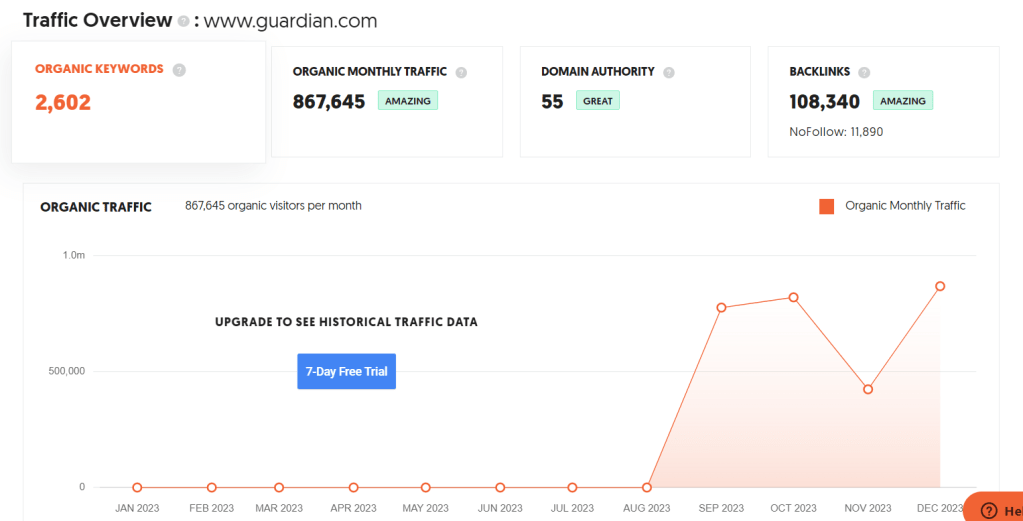
Guardian online traffic
How much did I earn (Alamy)?

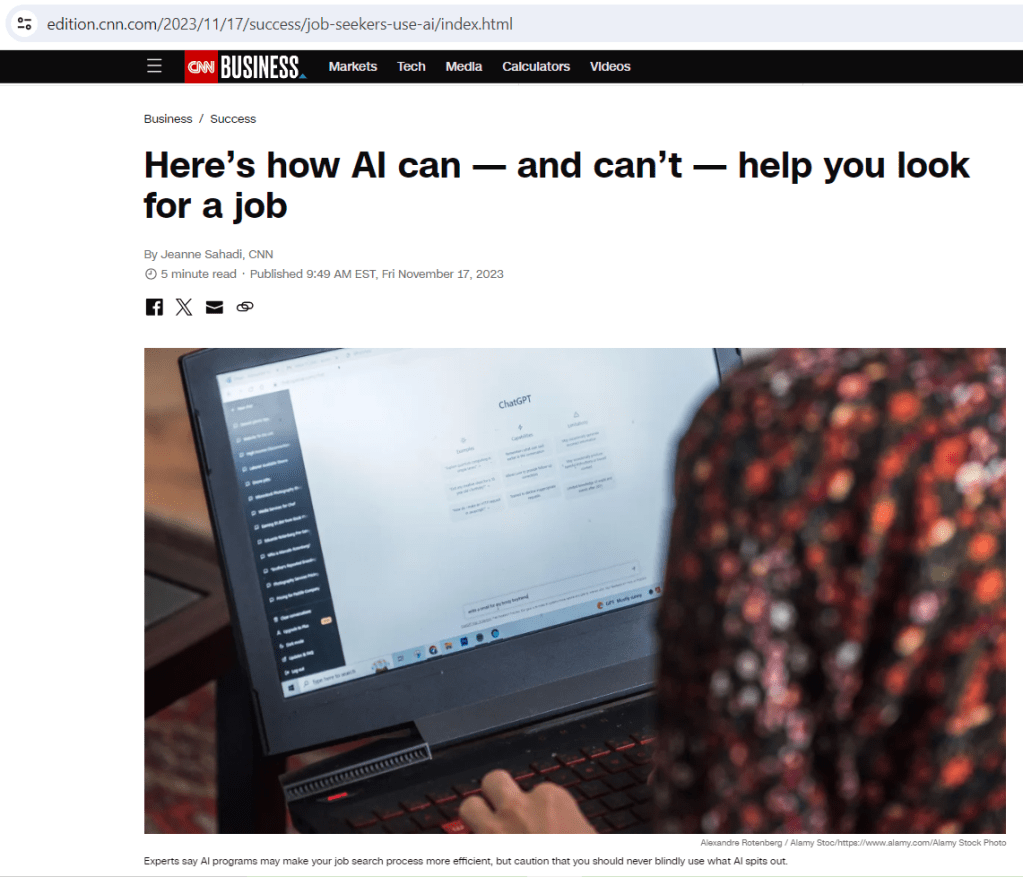
4. Here’s how AI can — and can’t — help you look for a job – CNN Business
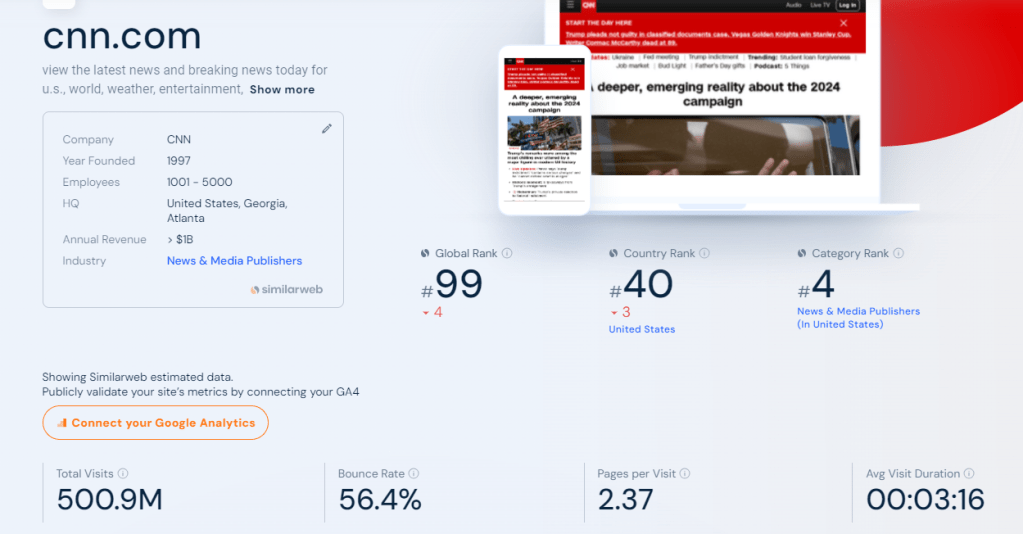
CNN traffic
How much did I earn (Alamy)?

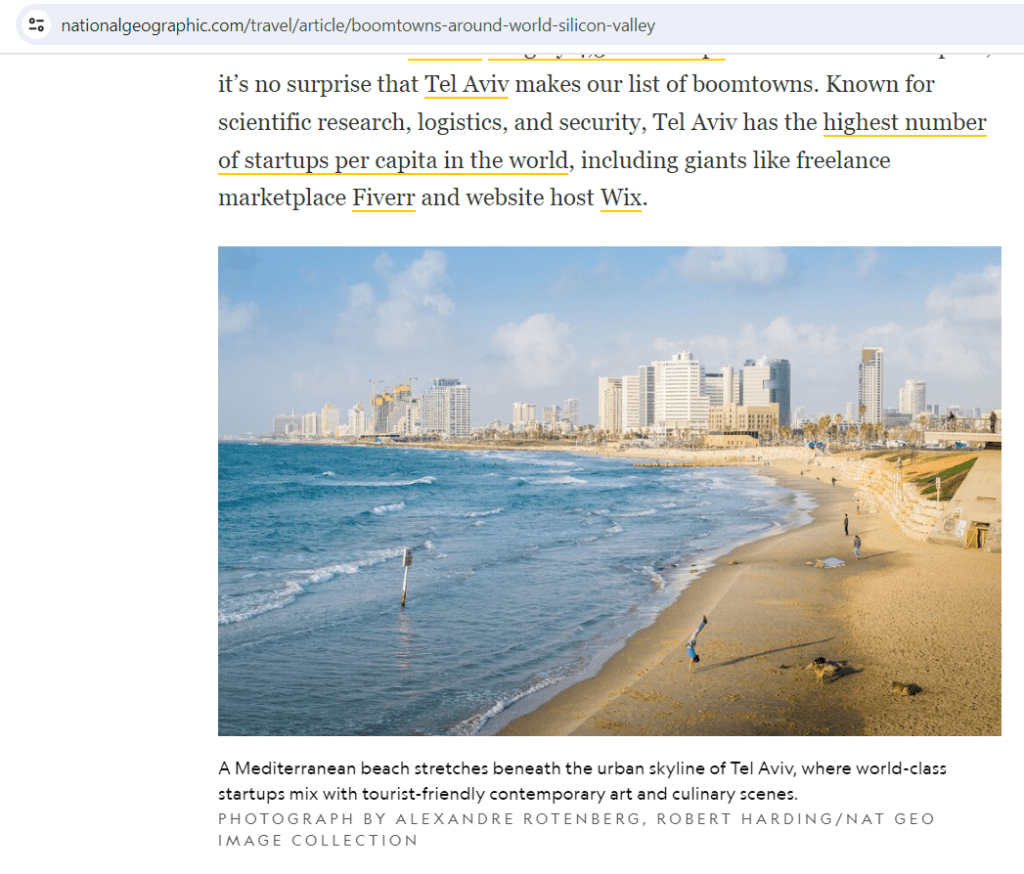
3. Beyond Silicon Valley: Visit these vibrant cities on the rise – National Geographic
National Geographic traffic

How much did I earn (Robert Harding)?

2. Spain’s new digital nomad visa: 6 perfect places for remote workers – Lonely Planet

Lonely Planet traffic

How much did I earn (Shutterstock)?
Around $5 only.
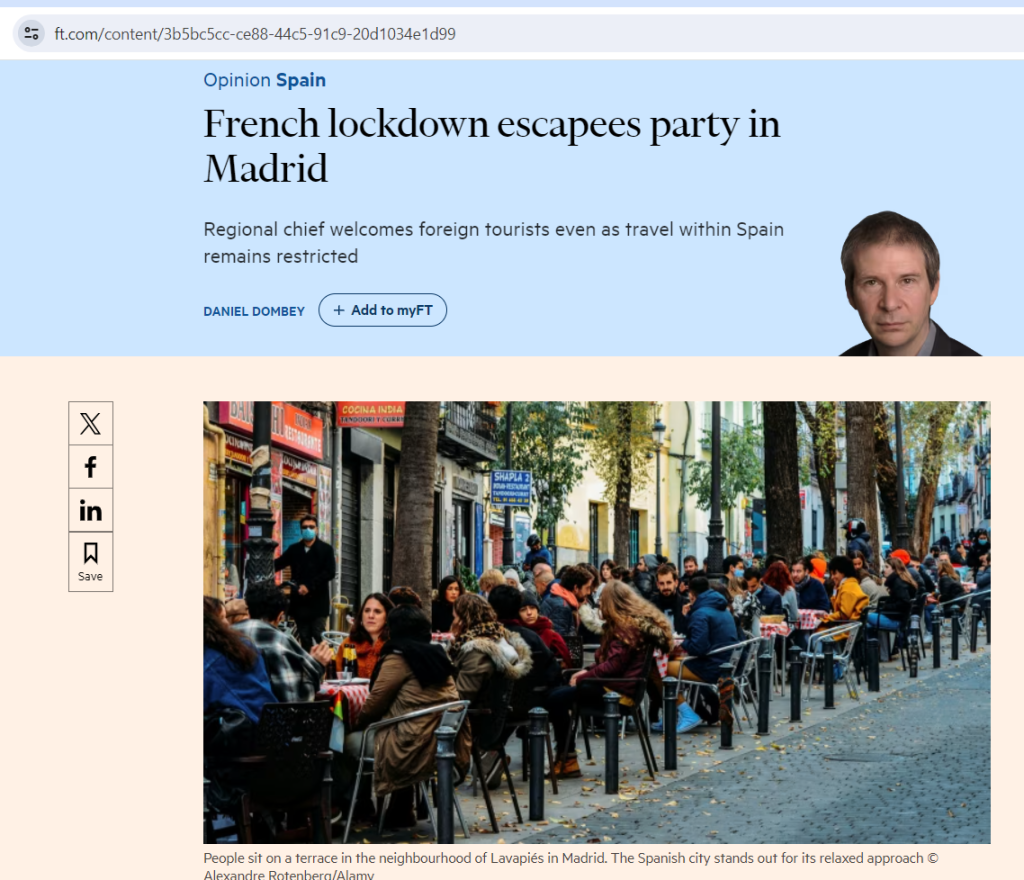
1. French lockdown escapees party in Madrid – Financial Times
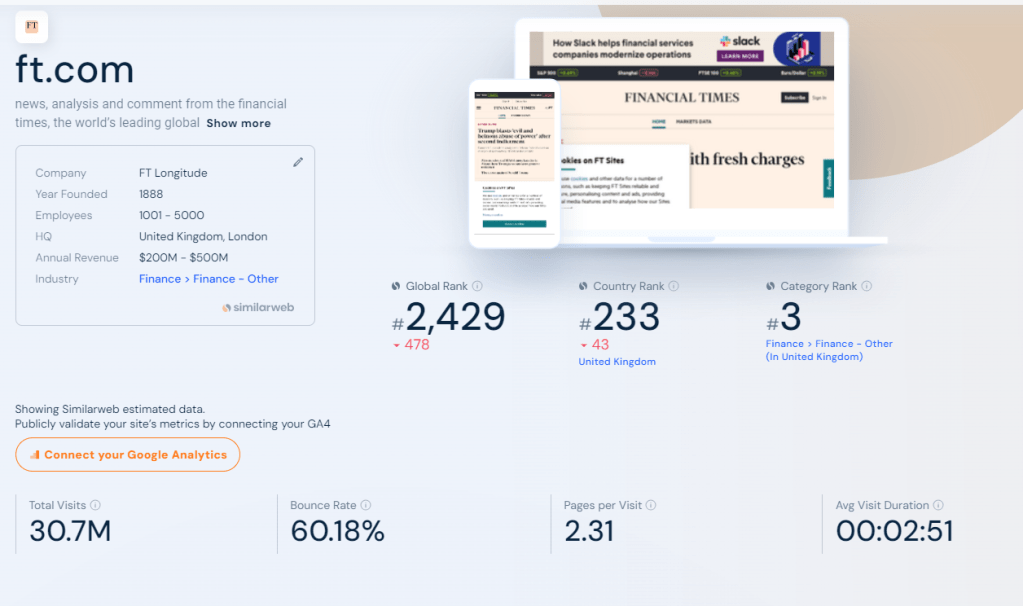
Financial Times traffic
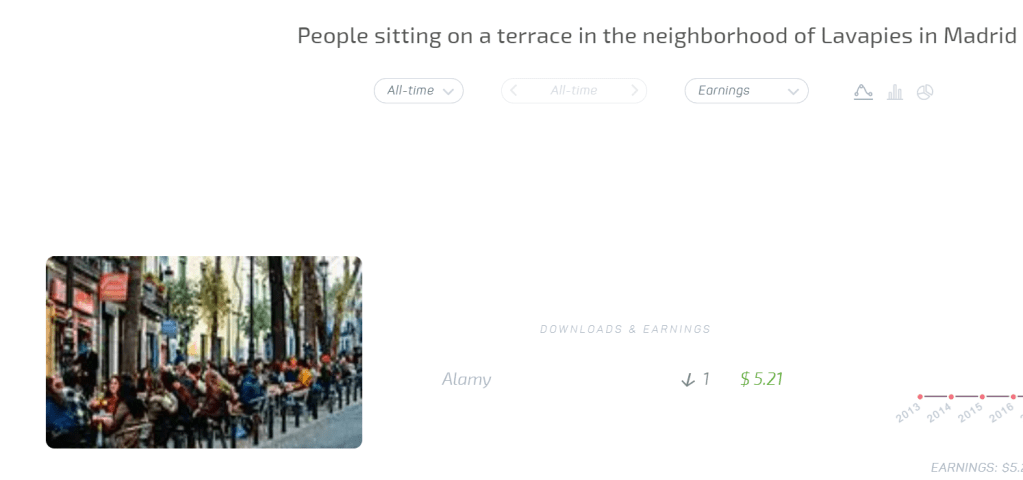
How much did I earn (Alamy)?
Why are these large publications with massive followings paying agencies/contributors so little?
Good question. One would think that with increased views there would be increased royalties but it doesn’t work this way in the publishing world.
Many of these publications are part of the UK Newspaper scheme which makes images available at a greatly reduced rate at Alamy and other agencies to large UK publications, such as the Times, Sun, Daily Mail and Guardian. Unfortunately there is no way to opt-out.
The scheme was originally introduced in 2009, with many newspapers requiring their suppliers to move onto pre-negotiated flat rates for image usages within their online and offline publications. These rates were often lower in value than standard stock licences, but this was in many cases offset against a higher usage volume.
Alamy Contributor Team
What about those images outside the UK Newspaper scheme?
As for such commerical images, some highlighted above, outside of the newspaper scheme it’s beyond me how they can get away with paying so little for something that will have such a massive readership. Seems like travel publications such as National Geographic and Lonely Planet have a bulk purchase discount with many agencies in return for continued businesses. Meanwhile the contributor gets fked over despite the “prestige” of being featured by a “prestigious” publication.
I fully understand that ad-revenue is almost non-existant now compared to 20 years ago but how/why should a small-time business have to pay more than a huge publication for the same placement? I don’t have an answer to this but perhaps someone here from the inside may be able to shed some light.
Will be back in a few days with my January earnings and news report.
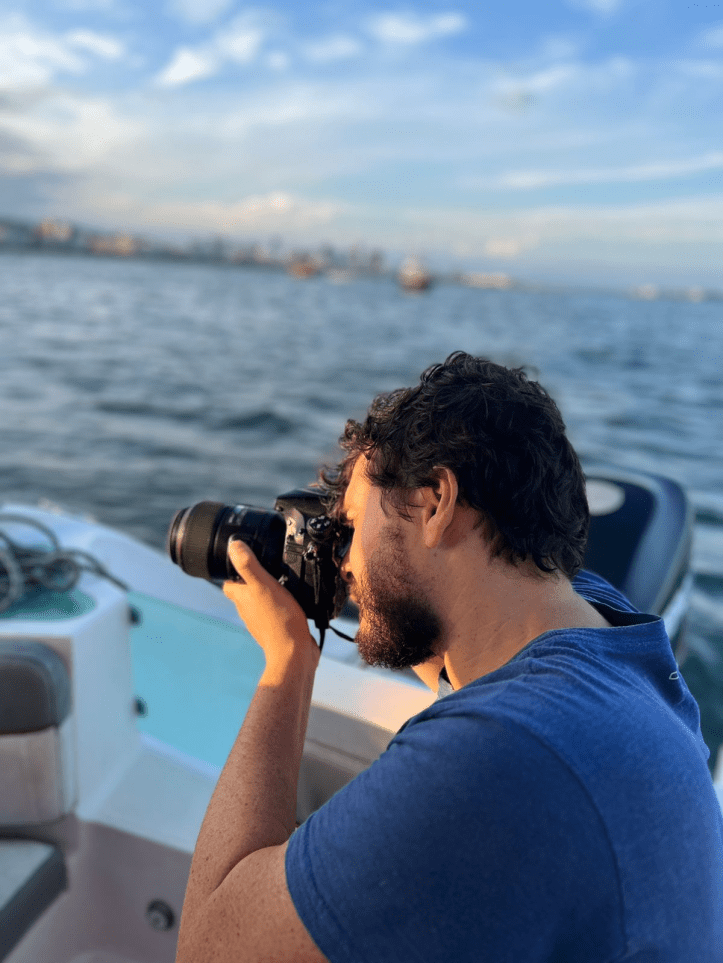
About Alex
I’m an eccentric guy, currently based in Lisbon, Portugal (currently in Rio), on a quest to visit all corners of the world and capture stock images & footage. I’ve devoted eight years to making it as a travel photographer / videographer and freelance writer. I hope to inspire others by showing an unique insight into a fascinating business model.
Most recently I’ve gone all in on submitting book cover images to Arcangel Images. Oh and I was flying my DJI Mavic 2s drone regularly until it crashed in Botafogo Bay so I’m eyeing a replacement soon!.
I’m proud to have written a book about my adventures which includes tips on making it as a stock travel photographer – Brutally Honest Guide to Microstock Photography
 Alexandre Rotenberg's Brutally Honest Guide to Stock Photography & Footage
Well it seems to me the main problem is access to cheap photographs. Otherwise publishers would have to seek photographers and pay them handsomly. This being said I decided to drop this activity. It is better to focus on making good photos, teach people how to take photos and focus on getting good commercial clients.
Agencies made very good marketing attracting photographers with their work. So they upload and upload and hope “Maybe today someone buys…” and then “Oh! Another 10 cents!” I decided to say “Thanks Baby! I have got enough of this shit”. You need photos? Pay.
LikeLiked by 1 person
Indeed, it’s become very difficult to make a living out of this gig that’s why I cannot devote more time than I currently do (about 15 hours a week). If I were to devote 40 hours a week I would almost certainly not be able to earn what should be a reasonable full-time income.
LikeLike
Even 15 hours a week is too much time spent…
LikeLiked by 1 person
Very discouraging Alex. Not very realistic but there needs to be a mass exodus of photographers submitting to these sites. We otherwise don’t have any recourse or leverage it seems. Why would anyone accept so little for their work? Highly insulting.
LikeLike
Dunno what else to do, hopefully I can squeeze $30k from my port in the next 5 years without adding too many new assets. That would be a resounding success (keeping my expectations low)
LikeLiked by 1 person
$30K would indeed be a success!
LikeLiked by 1 person