
As of April 2, 2025, the Trump administration officially slapped new tariffs on all goods imported into the United States including cameras, drones and lenses. For stock photographers and videographers already struggling to stay afloat in an over-saturated, AI-drenched market, this is yet another slap in the face. And don’t think you’re safe just because you live outside the U.S. we’ll get to that. Let’s discuss!
Catch up and contribute to the latest discussion over at the MSG Forum.
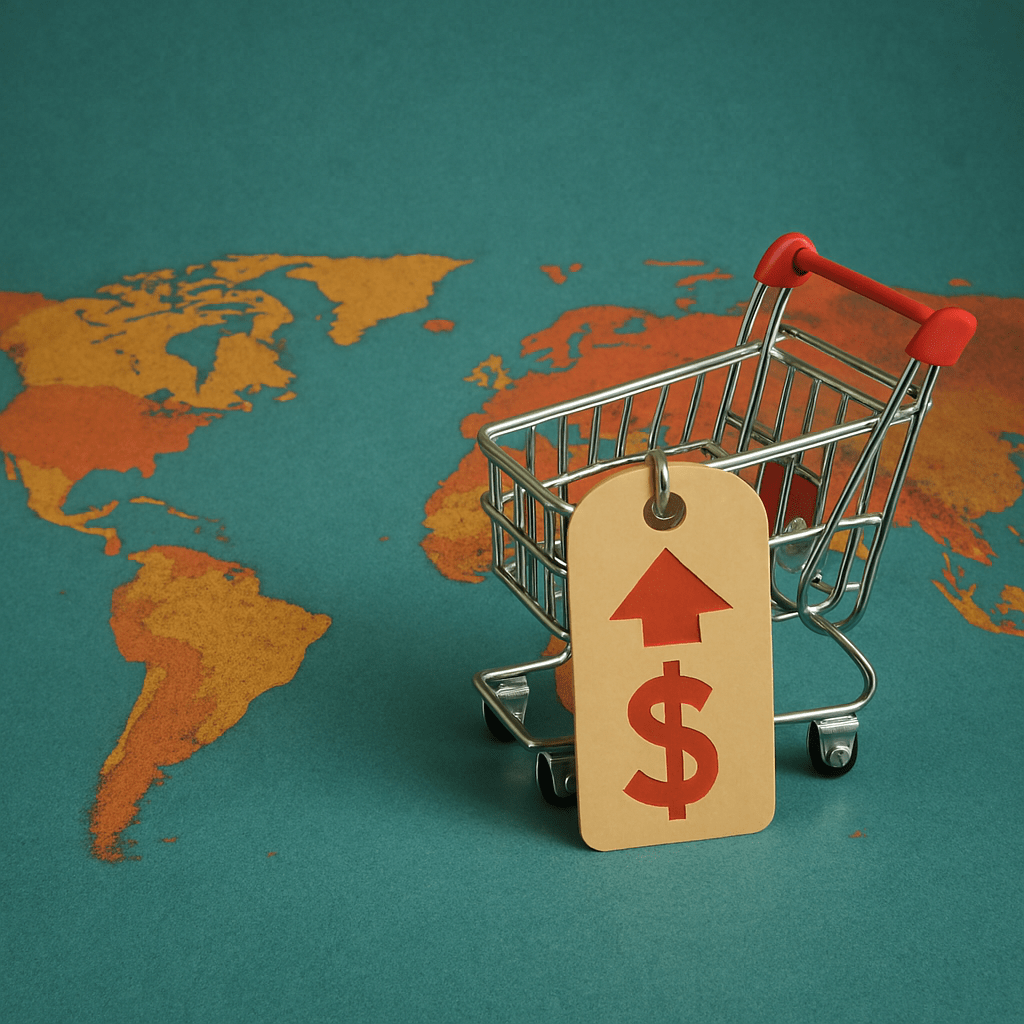
💸 How Much More Will It Cost U.S. Consumers?
Let’s be honest, the U.S. doesn’t (yet) manufacture much when it comes to photo or video equipment. Most of the gear they rely on is made in Japan, China, Thailand, Vietnam, and Germany. That means tariffs = price hikes, and yes, those costs will be passed directly to the consumer.
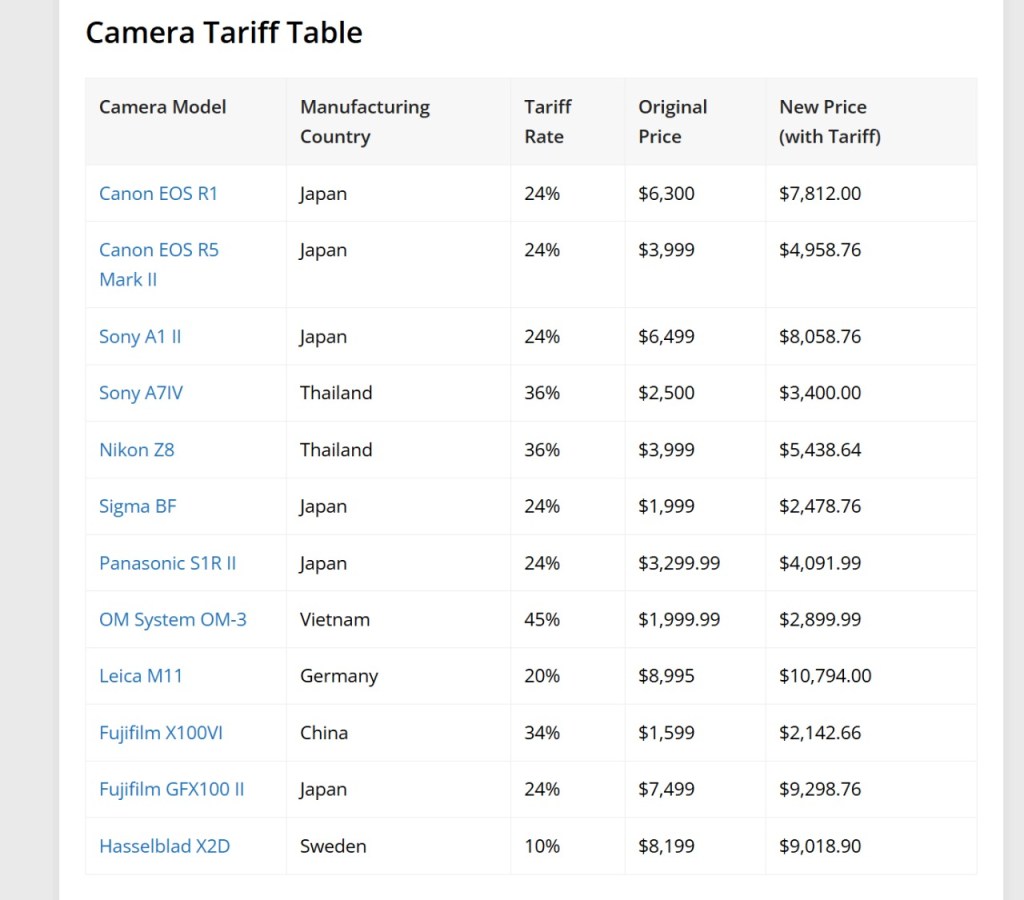
Here’s a breakdown of some of the new prices post-tariff for popular gear:
🚁 What About DJI?
In January, I published an article about how DJI removed geo-fencing, perhaps as a strategic move in anticipation of these very tariffs and other looming restrictions. You can read it here:
👉 DJI’s Bold Move: Why the World’s Leading Drone Maker Removed Geo-Fencing
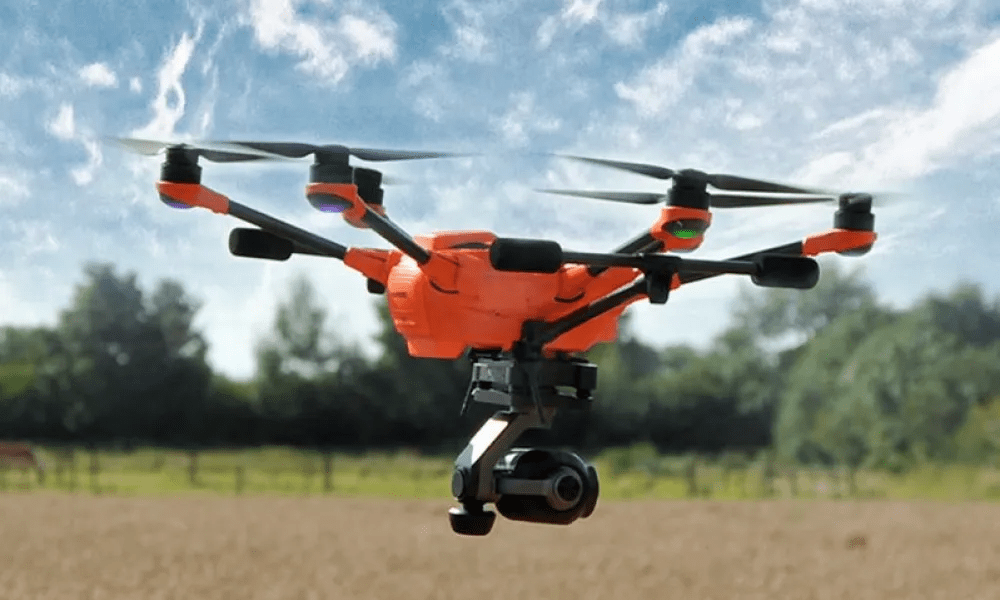
It should come as no surprise that Chinese-manufactured DJI products are now 34% more expensive for U.S. buyers. For drone shooters grinding out $2 clips and 10cent photos on Shutterstock, that’s a painful barrier to upgrading.
The silver lining? This could open up real opportunities for U.S.-based drone manufacturers to step in and fill the gap. Companies like Skydio and Freefly Systems (if they can scale fast enough) may finally grab some market share though let’s be clear, DJI still has a technological and pricing edge that won’t be easy to beat even if 34% more expensive.
Here are some alternatives to DJI drones out in the market.
🌍I Don’t Live in the U.S., Why Should I Care?
If you’re based outside the United States, like I am, you might be tempted to dismiss this as someone else’s problem. But thanks to the global nature of the camera gear supply chain, it can still hit you where it hurts. Here’s how:
📈 Global Price Bloat
When the U.S., the world’s largest camera market, starts paying more, manufacturers often raise prices elsewhere to “level the field.” In practice, that means higher prices globally, under the all-too-familiar excuse of “global supply chain instability.”
We saw the same thing during COVID when companies raised prices and never looked back. Expect it again, only this time with a “tariff” label slapped on it.
🧩 Are Tariffs Forever? Maybe Not.
Tariffs aren’t permanent laws, they’re simply negotiating tools even if in direct contravention of WTO rules. This wave is part of a broader geopolitical poker game and may be revised or lifted if trade talks progress.
But even if they are lifted next year, don’t expect prices to magically drop. Once manufacturers and retailers see that you’re willing to pay more, they rarely feel the need to lower prices again, especially not in industries built on hype and scarcity.
⚠️ Any Positives?
Not many. But if you travel to lower-tax jurisdictions like Paraguay, Andorra, Livigno and the Canary Islands, you might find opportunities to bypass some of these inflated costs by traveling to buy gear duty-free. Just be careful don’t get nailed at customs on the way home if you over do it.
🧾 Looking at the big picture
Whether you’re in the U.S. or not, these tariffs are bad news for the global creative economy – just look at the current state of the financial markets after the announcements and reactions.
This blog is focused predominately on stock photography and videography. Although many livelihoods depends on this, most of us are just making a side income. What worries is most is that these tariffs will affect more critical industries like pharmaceuticals where sick people desperately depend on medicine. Or at the very worst, be a precursor to not just an economic war but a real war.
In the microstock world, where most clips and photos still sell for peanuts, these price hikes are more annoying than potentially career-altering.
My best advice would be to try to hold onto your existing gear especially if it works perfectly fine. Nobody really needs to shoot in 8K or operate a drone that can be in the air for 60 minutes.
Until next time!
About Alex
I’m an eccentric guy. I am based in Lisbon, Portugal. I am on a quest to visit all corners of the world. I want to capture stock images & footage. I’ve devoted ten years to making it as a travel photographer / videographer and freelance writer. I hope to inspire others by showing an unique insight into a fascinating business model.
I’m proud to have written a book about my adventures which includes tips on making it as a stock travel photographer – Brutally Honest Guide to Microstock Photography



Leave a comment