

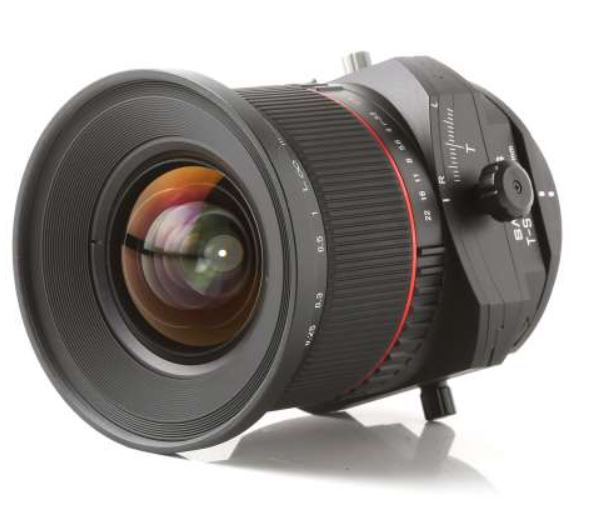
Hey all, quick update here on my stock business! I’ve recently invested on a tilt-shift lens, more precisely a Samyang 24mm f3.5 T-S Lens Tilt & Shift ED AS UMC Manual Focus – Nikon Fit and in this blog post I’ll outline why I thought it was a good decision and perhaps it’s a niche piece of gear that you’ll also consider investing. Let’s get started!
What the Fk is a Tilt-Shift Lens?
Glad you asked! If you’re shooting a tall building at wide angle you tilt up to get all the building in the frame you’ll probably notice quite a bit of distortion on the side. Like the building is falling over. This is particularly noticeable the wider-angle you go, let me show you an example of an image I recently captured of Lisbon’s Olaias metro station where I captured it at 14mm equivalent on a full-frame lens.
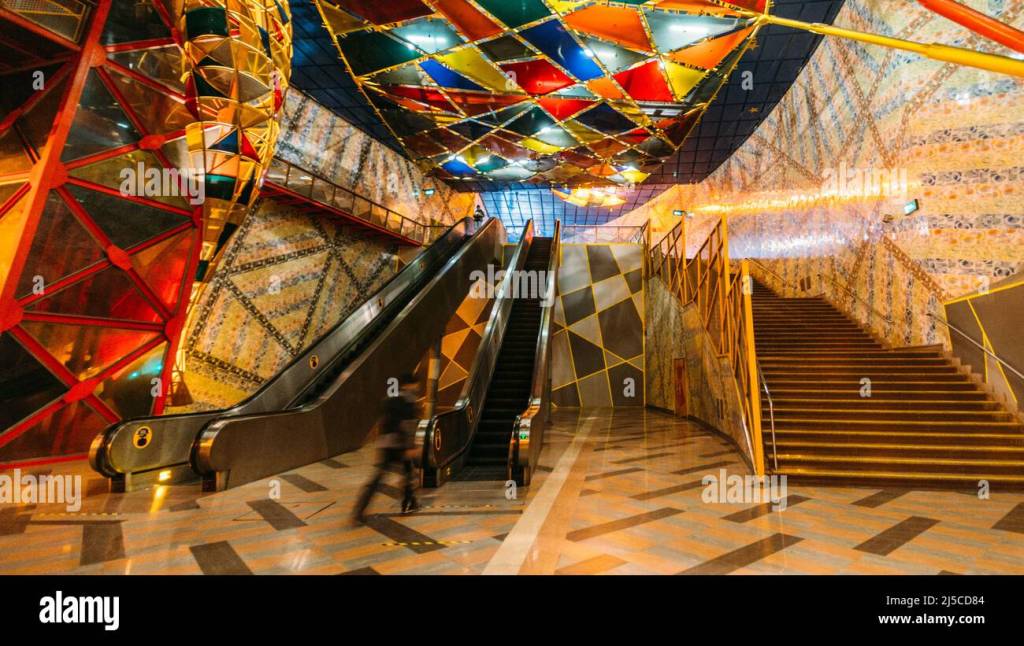
Now, I don’t mind the distortion as it can make for some cool effects. Also, it’s possible to correct this using Lightroom/Photoshop (although it’s better to have it ideal in-camera).
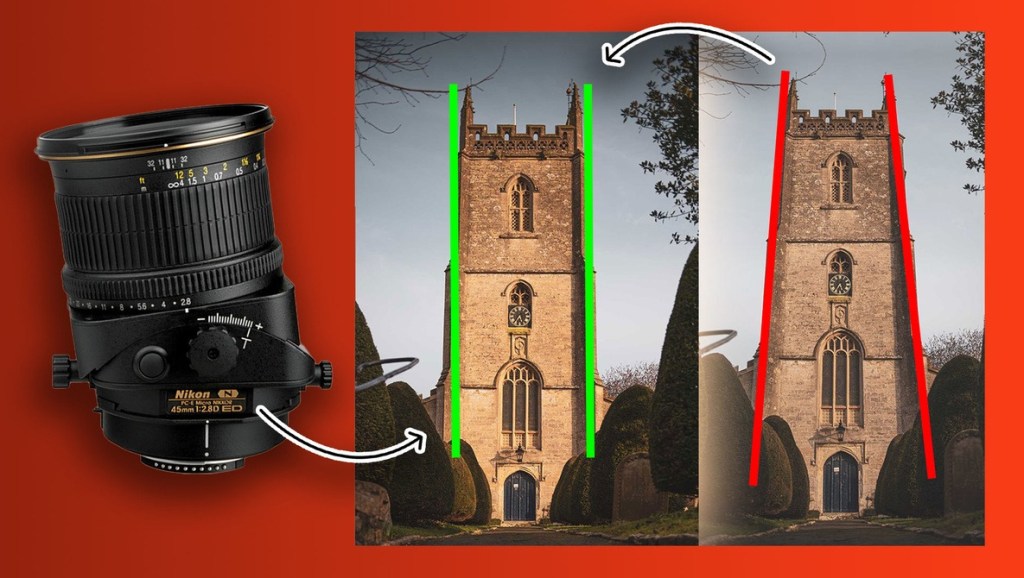
However, if you’re in any way serious about architectural photography, clients won’t appreciate it in the least and you’ll have more work later on in post-processing. Here’s a before and after where the tilt-shift lens will correct the distortions at wide angle in-camera:
Technically, how does it work?
It’s quite technical, so I would suggest you watch this YT video:
What’s the point to earn 10cents in Micros?
It’s a fair question, who cares if it will sell for 10cents and it’s a fair point but my goal with this lens, which was quite affordable as I purchased it used for about $500, is to work on architecture / interior photography gigs like my good friend Joas Souza, London-based Architectural photographer. There’s life outside microstock, really!
Two creative uses of the Tilt-Shift
My primary goal on investing in such a lens is for commissioned jobs but I’ve been experimenting with creative uses of the lens, including the magical tilt-shift miniature effect, which may be picked up as book covers by Arcangel. I’m keen to experimenting from a high vantage point in a cityscape.
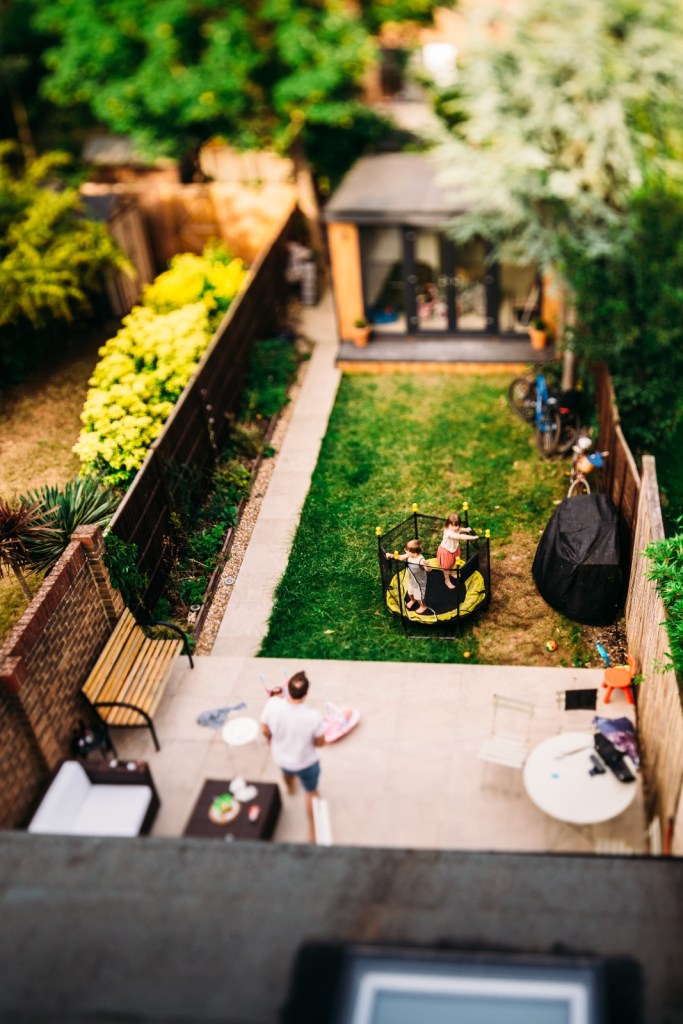
Also, some selective blurring is quite interesting and useful, such as the following which was accepted by Arcangel (first one to be accepted with this effect):
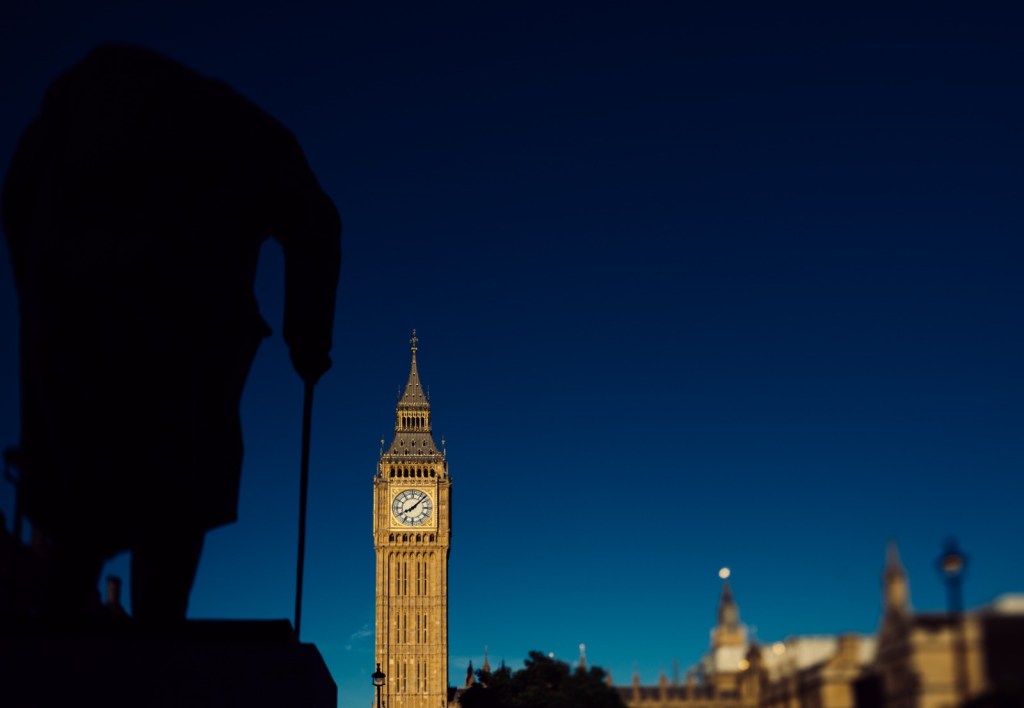
For portraits it seems quite cool and here’s a tutorial:
I’ll keep playing around and keep you posted
Perhaps if you have $500 to spare and you do quite a bit of architectural and/or creative portraits it may be something to consider and hopefully I’ve given you some ideas. Times are tough financially for a lot of people as costs have gone up so it may be worth borrowing it for a day to test.
That’s it for now and stay tuned as I’m excited to be publishing an interview with a nature photographer soon!
About Alex
I’m an eccentric guy, currently based in Lisbon, Portugal, on a quest to visit all corners of the world and capture stock images & footage. I’ve devoted eight years to making it as a travel photographer / videographer and freelance writer. I hope to inspire others by showing an unique insight into a fascinating business model.
Most recently I’ve gone all in on submitting book cover images to Arcangel Images. Oh and also recently purchased a DJI Mavic 2s drone and taking full advantage.
I’m proud to have written a book about my adventures which includes tips on making it as a stock travel photographer – Brutally Honest Guide to Microstock Photography




 Alexandre Rotenberg's Brutally Honest Guide to Stock Photography & Footage
Leave a comment