
Picking up regular client work is one of the few things that still makes sense for stock photographers today. The two feed each other: client jobs bring immediate cash flow, while leftover material from those shoots can generate long-tail income through stock. In theory, it’s a nice balance, although I often feel like I’m drowning in both.
In this article I’ll discuss some strategies for dealing with cheap clients. Let’s get started!

My historical stock income is the reason why I’m trying to pick up more client work
My monthly stock earnings reports tell the story. Since early 2019, my stock income has been mostly flat despite regular uploads. New files go up, the portfolio grows, but the revenue curve stubbornly refuses to follow.
See my 2025 year-end report for more details.
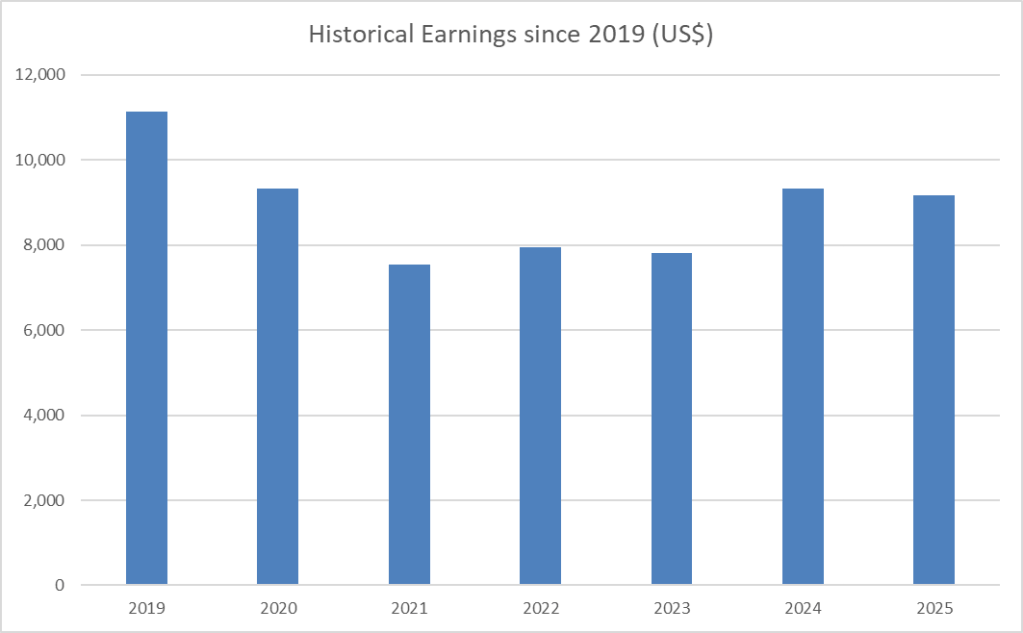
How am I doing so far, three months into 2026? Much the same as in 2025.
Focusing more on client work
This stagnation has more or less pushed me toward pursuing regular client work, which, in theory, can be considerably more profitable than stock. At the same time, because I own the copyright, whatever isn’t used by the client can often be repurposed for stock, within reason and with full consent. That means additional income, creative freedom and a way to monetise images that would otherwise sit forgotten on a hard drive.
The problem is that client work comes with its own disease: in the age of the smartphone and AI, most clients are fucking cheap when it comes to hiring a photographer. Half of them think they can do it themselves, then wonder why they don’t get the results they expected.
Not all of them, of course. But enough to make the pattern impossible to ignore, at least in my line of work and where I live.
Dealing with cheap-ass clients
A bad client doesn’t just waste time. They drain energy you could be using on better-paying work, stock production, marketing, writing, or simply on not becoming a bitter old man.
By now, you probably know that I live in Portugal. I know perfectly well that I can’t charge London or New York rates, probably not even half. But at the same time, I’m not a beginner with a kit lens or smartphone (no disrespect to those shooters) and a dream. After years in this industry, I know what my work is worth, and I know when someone is trying to buy professional results for hobbyist money.
That’s where a lot of photographers get stuck, myself included sometimes. They know full well that the client is underpaying. They know the job will be annoying. They know the commute will be long. They know the revisions will be endless. They know the budget is insulting.
And yet they still say yes because:
“Work is work.”
“Better than nothing.”
“Maybe it will lead to more opportunities.”
Or, worst of all, “exposure.”
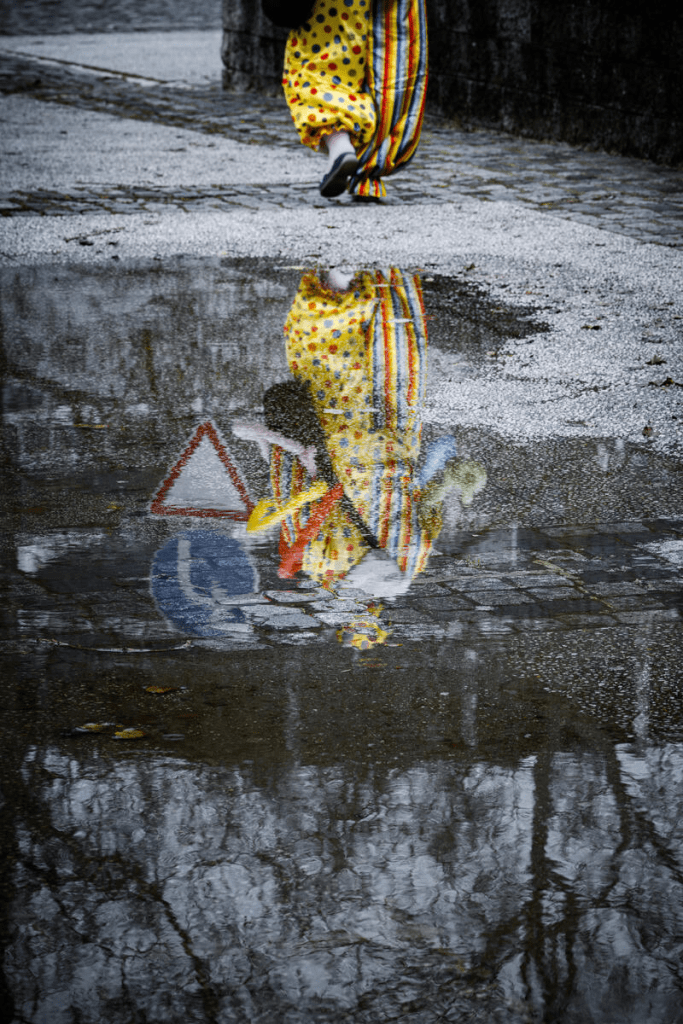
Sometimes that logic makes sense. Often it doesn’t, and I just feel like a clown, which is no insult to the clown, who is probably being paid considerably more than me on a bad day.
Lately, I’ve been trying to approach new clients more strategically, both for my sanity and for my bank account.
My current thinking is practical with five ways I’ve changed how I deal with clients.
1. Refuse unsuitable clients and fire bad existing clients
This should be far more normalised. Part of maturing as a professional, and as a human being, is learning to say no. Doing so saves an incredible amount of time and energy when expectations don’t align. Accepting when you shouldn’t leads to resentment. Not just in the professional life but in relationships as well.
What frustrates me most these days is the pattern: a potential client approaches me, we discuss the project, I provide what I believe is a reasonable budget, and then comes the predictable attempt to push the price even lower while simultaneously increasing the scope of work.
Even worse is the offer of “exposure”. The classic line: “We’ll tag you on Instagram in return.” Seriously?
I’ve lost count of how many businesses have asked to use my content on their social media, only to disappear the moment I mention payment, even if it’s just a token amount. As if a handful of likes and a few new followers will somehow pay my bills. I know complaining isn’t productive but hear me out as I’m trying to find solutions.
From my experience, trying to build long-term relationships with these kinds of clients is a waste of time. I move on to where I feel appreciated. I’m humiliated enough daily by the likes of Shutterstock and iStock.
2. Accept lower pay only when the gig gives something else of greater value
There are exceptions, because not every low-paying job is automatically a bad one. Sometimes a project is genuinely enjoyable and gives access to interesting people and/or locations.
Shooting poker tournaments isn’t about the money
For me, poker tournaments fall into this category. I enjoy shooting them. I like the atmosphere, the personalities, the tension, the absurdity and the theatre of it all, even if the hours are long.
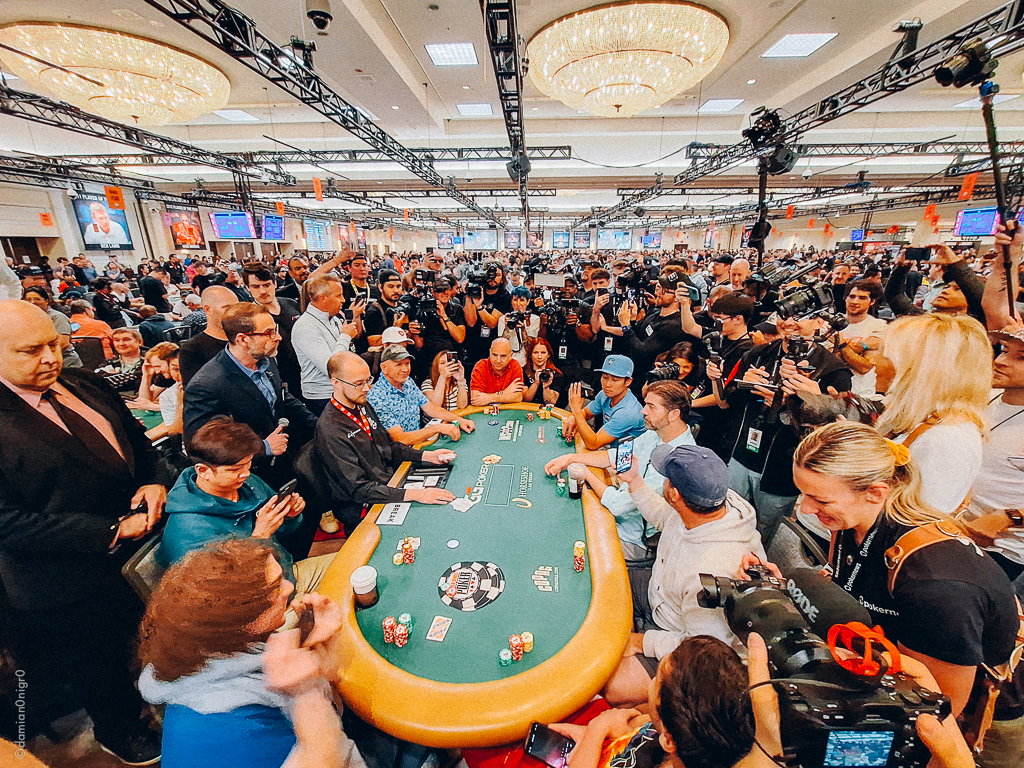
So I can justify lower pay there more easily than I would for some dull corporate assignment that nobody will remember two days later. And there’s another benefit: poker events are great places to collect stock material.
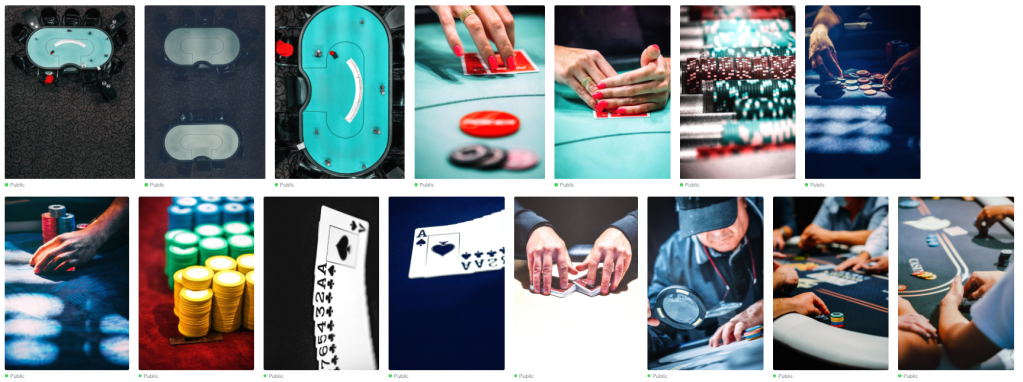
Poker rooms are also full of ambitious and eccentric business owners who often need media. I’m always open to those conversations, along with providing Media Services for your Poker Team & Player Community, in collaboration with THE-ROUNDER.net. The wackier the business, the better for me. Damiano, let’s create some cool work together!
3. Using the ancient barter system in 2026
For some time now I’ve also experimented with something much older than stock photography: barter. Barter was one of the earliest forms of economic exchange long before money existed. These days it’s usually called a “collaboration”, but the principle is similar although when bartering there is more of an exchange of services in mind.

I often carry my camera with me in day-to-day life. Lately, the 600mm attracts plenty of attention, and the drone even more so. That naturally sparks curiosity from business owners. I’m quite introverted by nature, but I’ve started pushing myself to talk to people more and ask whether I can shoot inside their premises if I see something visually interesting for stock.
Eight out of ten times, they say yes. Since businesses rely heavily on social media these days, and since they’re allowing me to shoot in their space, I’m happy to provide them with images in return.
So far I’ve tried this business approach at:
- Restaurants and bars
- Hotels
- Massage parlour
- My gym (jiu-jitsu and swimming)
- Perfume-making business
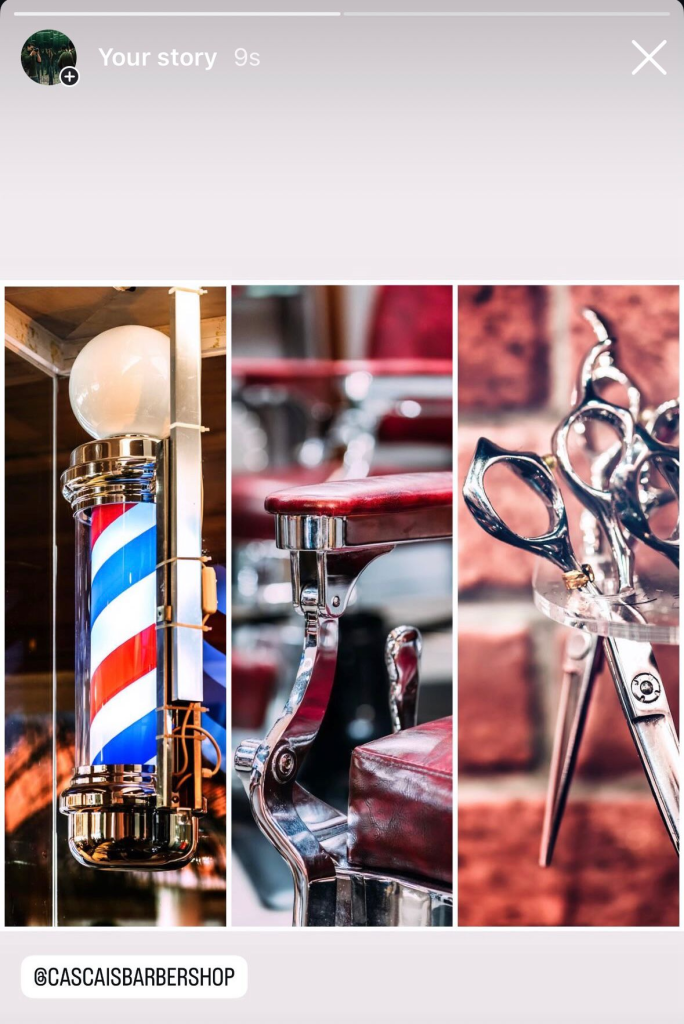
My next barter shoot will actually be at my local hairdresser, where I’ve already done one informal session.
A quick note: I’m not a tax expert and this isn’t financial advice. Anyone considering barter for business should check their local tax rules.
4. Finding new clients naturally
Interestingly, I don’t directly advertise my services on Google or social media. Maybe I should.
Most of my client work comes through referrals, networking, casual conversations, or simply from carrying a camera while living my life. Mixing business with pleasure is exactly how I started working with poker events.
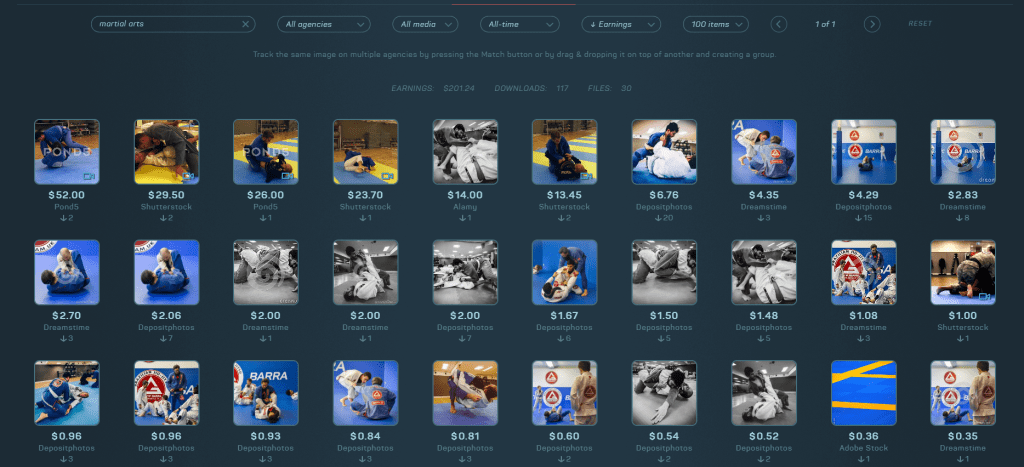
Another unexpected source of clients has been my Brazilian Jiu-Jitsu classes. I sometimes bring my camera to training and shoot both for fun and for stock.
The good news is that I still have my arm intact.
Opportunity with a Private Chef
Recently one of my fellow BJJ grapplers offered me a great opportunity that fits perfectly with the kind of client work I actually enjoy doing. Bruno Kaizen is private chef charging premium prices and once asked my budget for shoots which was way above his budget.
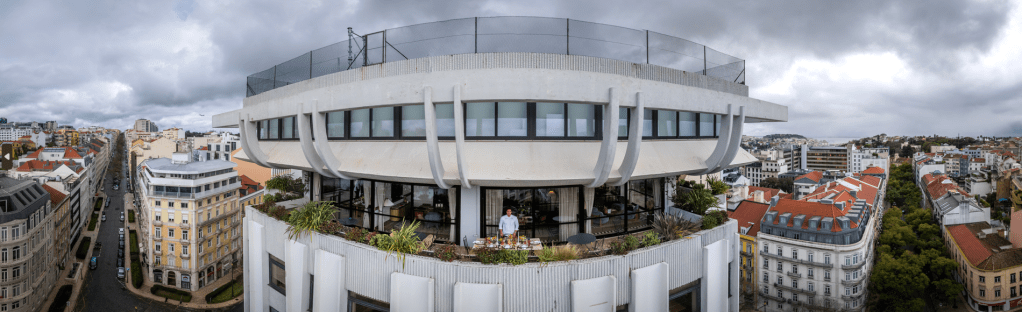
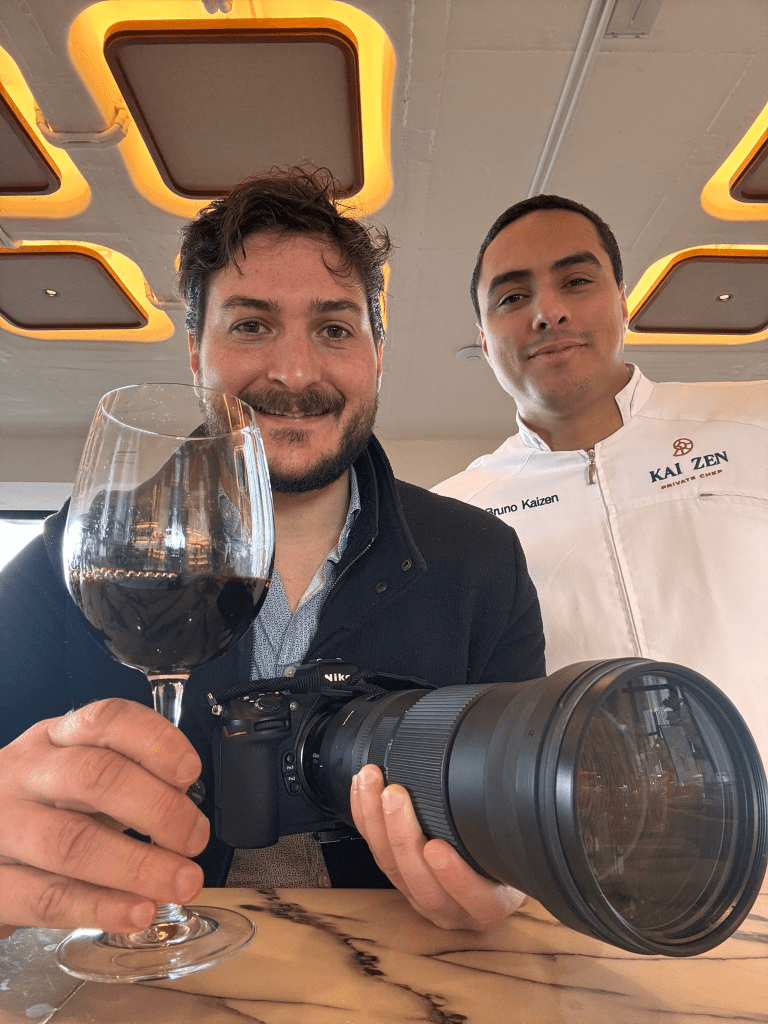
We get along well even when we’re not trying to kill each other on the mats. I’m also a huge fan of his business as he creates beautiful dishes at impressive locations. So, recently we discussed a collaboration lately where he covers my costs and I basically have complete freedom to what I want when I want in exchange to providing him the files at the end of the shoot.
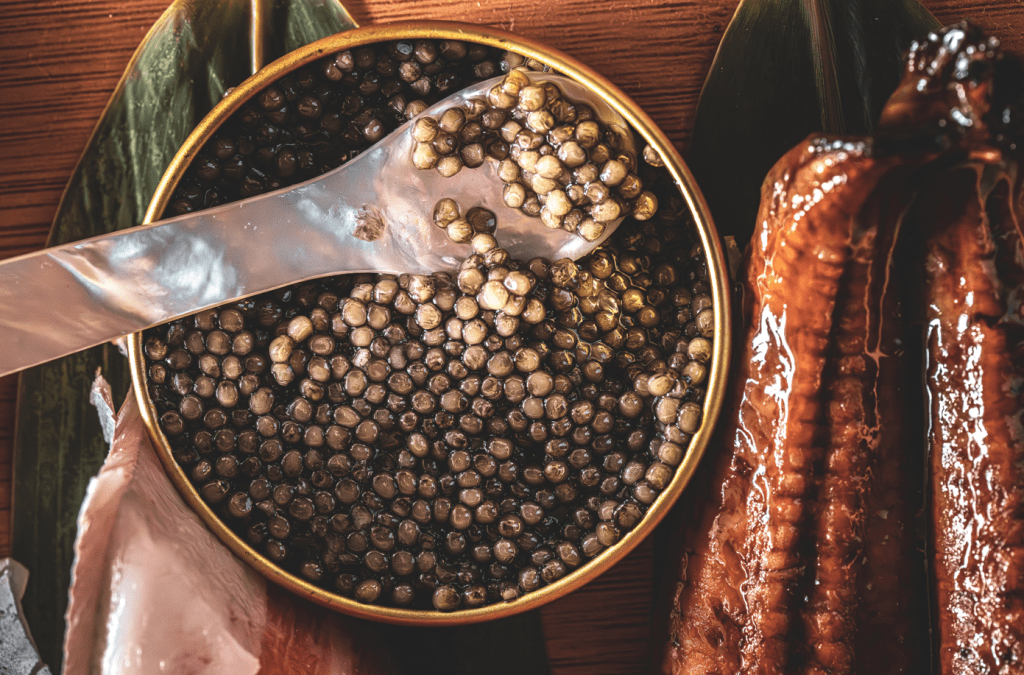
As mentioned the premium benefit of shooting for/with him is access to locations, in particularly where I can launch my drone with no issues.
5. Providing video services as a necessity
I find it both interesting and slightly depressing that almost all prospective clients these days seem to want video services above all else. At first, this was a problem for me, since I’m first and foremost a photographer. I turned down a lot of work because of that. These days, though, I’ve accepted that filmmaking and editing are part of staying relevant, whether I like it or not. Fortunately there are a lot of free tutorials on YouTube.
The demands are always more or less the same: short-form video for Instagram/TikTok/YouTube, reels, ad clips, behind-the-scenes footage, drone video, vertical edits, horizontal edits, and ideally all of it delivered yesterday. That’s the market now. The real question is not what they want. The real question is whether I can deliver it to a standard I’m happy with.
Managing Expectations
These days, I’m happy to offer photos, video, or a combined package, but that combination comes at a premium price. Video is not just photography that moves, and clients need to understand that from the start. As long as I communicate clearly what I can deliver and manage expectations properly, we’re usually able to stay on the same page. But then we’re probably back to square one and the ethos of this blog post, most clients are too cheap!
Hope you’ve enjoyed this post and feel free to comment below.
As for news, I’m off to Romania next week for a poker tournament and explore Bucharest!
About Alex
I’m Alex, eccentric, based in Lisbon, and on a mission to explore every corner of the globe while capturing stock images and footage along the way.
For the past 12 years, I’ve been grinding as a travel photographer/videographer and freelance writer. Along the way I’ve also written The Brutally Honest Guide to Microstock Photography, a book packed with war stories and practical tips for anyone crazy enough to enter this business and more recently, The Brutally Honest Guide to Drone Laws in Europe.
 Alexandre Rotenberg's Brutally Honest Guide to Stock Photography & Footage