Historical Footage, Modern Profits: Daniele Carrer’s Inspiring Story
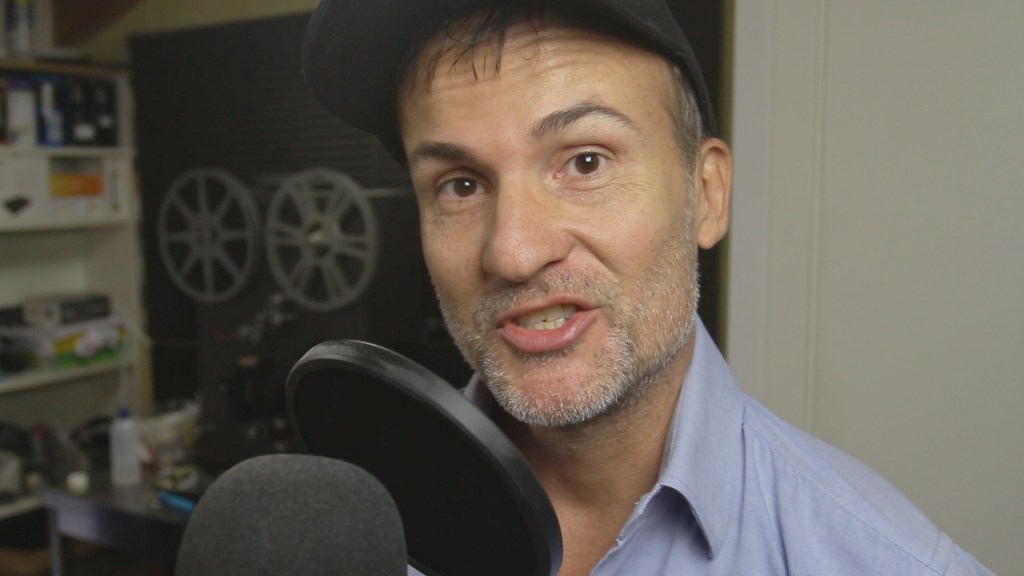
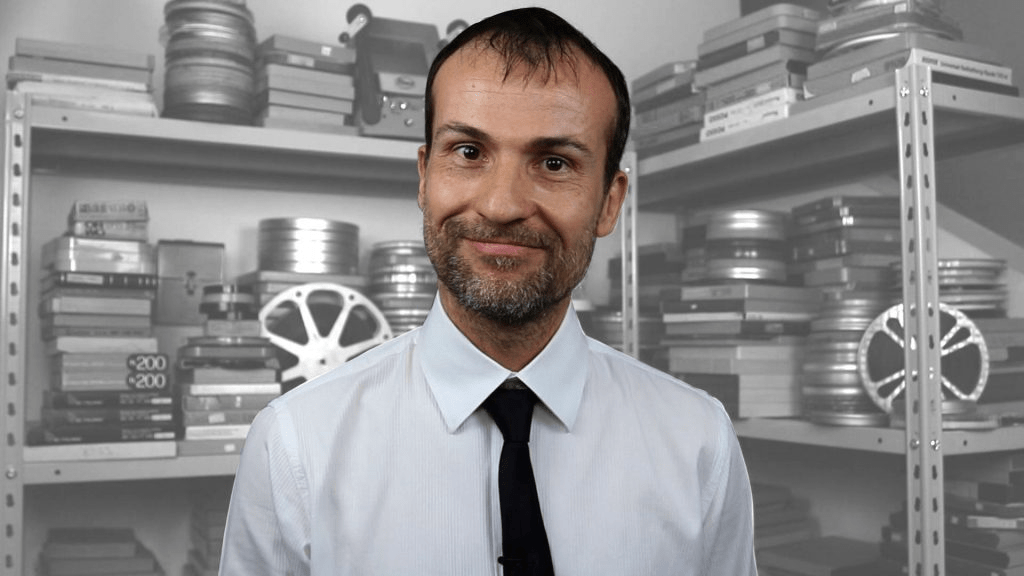
Welcome to another exclusive interview with a Stock Wizard as I’m very excited to welcome Daniele Carrer. In this exclusive interview, we dive deep into his journey, starting from his teenage aspirations as a filmmaker to his rise as a leader in the microstock stock footage world.
Daniele shares the challenges of adapting to shifting markets, the rise of AI and his pivot to historical stock footage, which has allowed him to blend passion and profitability. Let’s get started!
Ciao Daniele, pleasure to have you on here. Since launching the Microstockguru.com course which I positively reviewed and picked up on key lessons for my own business, tell us what you’ve been up to?
Ciao Alexandre, thanks for this opportunity!
I launched the Microstockguru.com course 10 years ago when I was achieving excellent sales results in my microstock business. In my opinion, those who teach others without proving they have the expertise and results to back up their lessons are not teachers—they’re scammers.
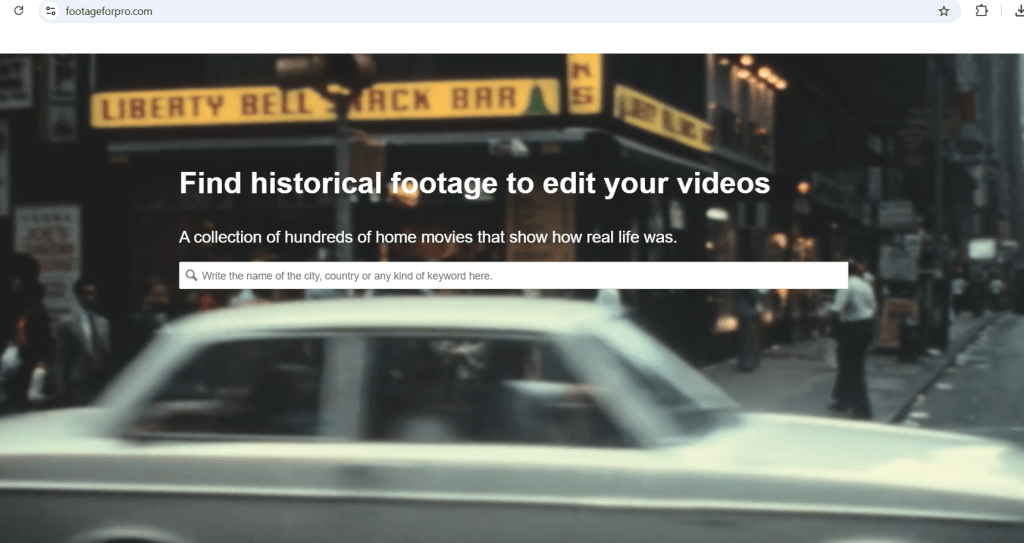
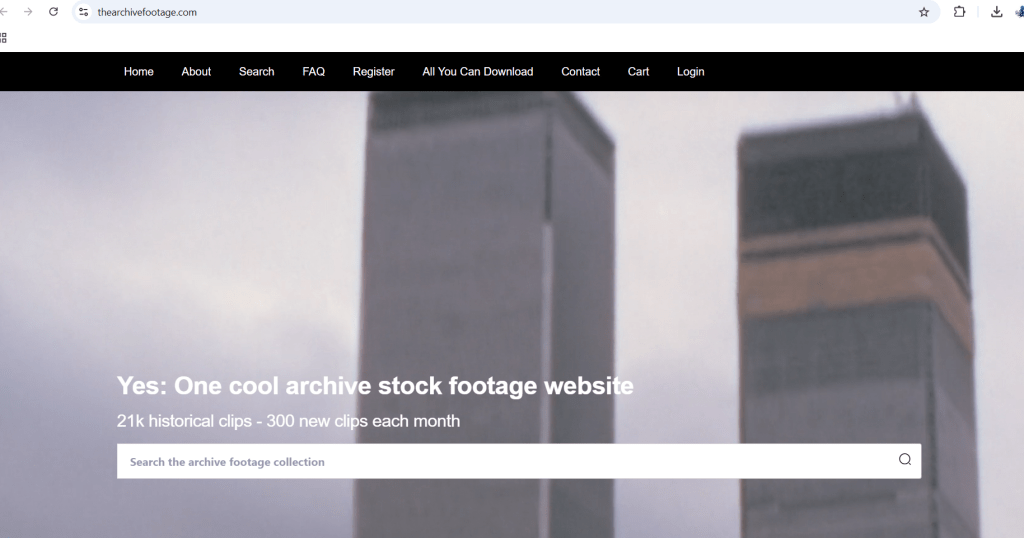
As for my career in stock footage production, I now focus on historical videos, and my business is growing steadily. This growth is largely thanks to the launch of my two websites, footageforpro.com and thearchivefootage.com. Since I’m heavily focused on production, I’ve had to put my educational content on hold to dedicate more time to creating new material—a more profitable venture for me at the moment.
That said, I miss my podcast and the interactions it fostered with other contributors. I plan to restart it soon, and this time, I aim to do even more than I did before.
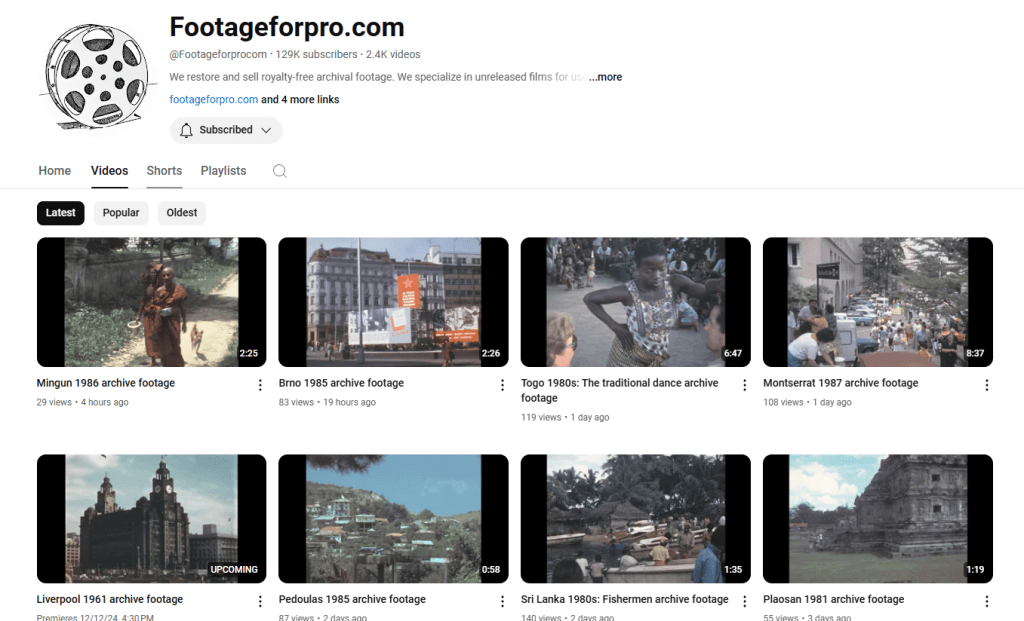
You may see over 2,000 examples of historical footage on the Footageforpro.com‘s YouTube channel.
How have your regular microstock footage sales been? Have you also experienced a drop in sales?
This is typical forum talk. Don’t get me wrong—I enjoy forums because they give me insight into what people I’d never have a drink with think about life. In these threads, the second sentence after “microstock is dead” is usually “it’s the agencies’ fault.”
I’m not that kind of guy. I don’t analyze sales daily; I look at long-term trends. Considering sales from my own sites, my total income is growing. However, on traditional microstock platforms, my income has been slightly lower over the past year. This was something I anticipated. You can’t blame Shutterstock if your earnings drop—they’re running a business, and to them, you’re not a person; you’re a means to help them make more money.
Understanding this, you need to prepare for such changes and start building your own “land.” In my case, this meant launching my two websites. It took me years of preparation and significant investments, but in the end, it was absolutely worth it.
How did you first get started in the microstock and archival footage industries? Was it a planned path, or did you stumble into it?
I’ve always searched for a way to stand out. When I was 16, back in 1993, I realized I wasn’t going to become a basketball champion, so I shifted my focus to cinema. I bought my first camera at a time when I was the only one in my high school using one.
From the age of 18 to 30, I created experimental short films. Then, in 2006, I discovered that selling stock footage could be a lucrative venture. At that time, it was possible to earn thousands of dollars from footage captured during a single weekend in London. However, that golden era didn’t last long, as the rest of the world quickly caught on—a reality that unfolds rapidly in the world of online business.
When sales began declining, I had two choices: figure out a new approach or end up on social media complaining about the world conspiring against me. My second love, after cinema, was contemporary history, so it was a somewhat planned move to pivot to creating historical stock footage when competition caused sales of contemporary footage to drop significantly.
I began by purchasing a low-cost scanner and monetizing a few Super 8 reels I had bought. Simultaneously, I created a source of traffic by launching a YouTube channel featuring historical footage. Later, I expanded into a spin-off business, offering digitization and restoration of other people’s home movies, which provided a secondary revenue stream.
Once I saved enough to invest in a professional scanner, I jumped on the opportunity. I gradually deleted old videos from my YouTube channel and replaced them with improved versions, all while stock footage sales helped fund my efforts.
Today, I own two dedicated websites, a YouTube channel with hundreds of thousands of monthly views that automatically drives traffic, and I still sell stock footage on Pond5. Was it worth it? Absolutely. But when you put in 14 hours of work in a day and still don’t make a single sale, it’s hard to keep believing in it.
What was your primary inspiration behind creating FootageForPro.com, TheArchiveFootage.com, and MicrostockGuru.com? How do these projects differ, and what unique needs does each site address?
On MicrostockGuru.com, I teach photographers and videomakers how to make real money with microstock. The first rule to succeed is beating the competition by focusing on the less enjoyable parts of the job: studying the market, creating efficient workflows to produce more in less time, and writing effective titles and keywords for images and footage. While many contributors focus solely on the fun part—producing content—this approach alone won’t generate enough income.
FootageForPro.com and TheArchiveFootage.com represent the final stages in my journey to create high-selling stock footage. On FootageForPro.com, I sell longer historical videos, while TheArchiveFootage.com focuses on microstock-standard clips, typically between 4 to 20 seconds long. The videos on TheArchiveFootage.com are the same ones I sell on Pond5, but the key difference is that the customers who buy from my sites are my direct customers, not Pond5’s. This allows me to contact them and offer more of my products.
What criteria do you use to decide which footage to feature on FootageForPro.com and TheArchiveFootage.com? How do you ensure quality and relevance for a professional audience?
Having started selling stock footage almost 20 years ago and sold thousands of clips, I’ve learned to understand market demand. When I identify a certain type of footage that sells well, I focus on creating more of it for the future. When I first published my historical clips, I could only guess what might sell. I had no idea that vintage car footage would outperform footage of the Berlin Wall or the Twin Towers. Experience is key to growing your business—having a mentor is valuable, but books and courses only teach general rules. Your business, however, is unique.
The biggest challenge with historical footage is that once I realize a specific type is selling, I can’t simply schedule a new shoot with a model or hop on a plane to capture footage at a specific location. I have to source new reels that contain that type of footage, and I can’t be sure they exist. While this can be frustrating, it also helps me stand out from the competition, as achieving this requires experience in selecting film collections, investing in purchasing them, dealing with licenses, and handling other tedious tasks that the average contributor tends to avoid.
For new contributors, such as myself looking to get into historical footage, what advice would you offer, particularly regarding restoration and technical settings to help footage stand out?
Before considering selling historical footage, ensure that microstock agencies accept your content, as they now have strict copyright policies for historical clips.
Then, focus on quality. You can use a 300-euro Super 8 scanner you find on Amazon, but this will lead to lower quality and limited sales, which is not worth the time you’ll invest. Alternatively, you can start by hiring a professional film transfer service and test the sales for a few months to see if it’s worth investing in your own system, which could cost upwards of 50,000 euros.
Next, you need to understand how to restore the scanned footage. Software like DaVinci Studio and plugins like Neat Video are essential—these are affordable but require months or even years of experience to master professionally.
Finally, establish effective workflows to produce consistently. This process is, again, tedious and often a waste of time and money. Is it worth it? Only you can answer that. If it were easy, everyone could flood the market, and you wouldn’t be able to sell, much like what’s happening today with contemporary footage of popular travel destinations.
I’m currently editing and trying to sell my dad’s old Super8 footage from the 70s and 80s. Here’s a clip at Maracana Stadium captured in 1980, any advice on how I may improve it and have premium sales?
I can provide much better quality than that. I have footage of the Maracana stadium shot in 1962, which you can check out here:
It looks far superior. This comes down to equipment and significant differences in scanner quality and restoration techniques.
There’s a lot of Super 8 footage on P5 and SS, often with lower quality than yours, but to take your sales to the next level, I believe you need to aim for higher quality. The DaVinci stabilizer is powerful, especially with these settings: Cropping Ratio 0.99, Smooth 0.25, Strength 1.00, Camera Lock unchecked, Zoom checked, and set to Translation. This setup can really turn shaky footage into steady shots. By the way, it wasn’t your father’s fault—cameras from that period were challenging to handle.
Which are the best agencies to upload historical footage to, and why?
Pond5 is the best option. Shutterstock is fine, but they require complicated copyright proof, which can be challenging for historical footage. Getty Images requires exclusivity, and I believe they operate like agencies did 20 years ago, which is not ideal in today’s fast-paced world.
Other agencies simply don’t sell enough to justify the time investment, whether for historical or contemporary footage. You can upload to these platforms using services like Microstock.plus or StockSubmitter.com and Xpiks, but with historical footage, the copyright issues I mentioned can slow down the approval process.
Alternatively, you can sell the footage on your own, like I do. It’s not that hard to hire someone to build the site, especially if you have a professional mindset that allows you to distinguish between investments and costs. The real challenge is traffic. Advertising in the microstock industry is too expensive to compete with Shutterstock on platforms like Google Ads. Luckily, at the beginning of my historical footage project, I built a YouTube channel that now drives most of my traffic.
Can you share any success stories from contributors on your platforms, where footage had unexpected value or visibility?
Successful contributors usually don’t share their secrets and workflows. First, because they don’t have the time, and second, because they don’t make money from sharing—businesspeople’s main goal is to get rich as quickly as possible.
On MicrostockGuru.com, I teach because I also sell a course that generates income; otherwise, I’d be doing something else. My first rule is to be honest, so I interview regular contributors, not top players. I don’t want to give people the false idea that they can become a millionaire with microstock. Among these contributors, there are always stories of a big, unexpected sale—those kinds of sales everyone dreams of.
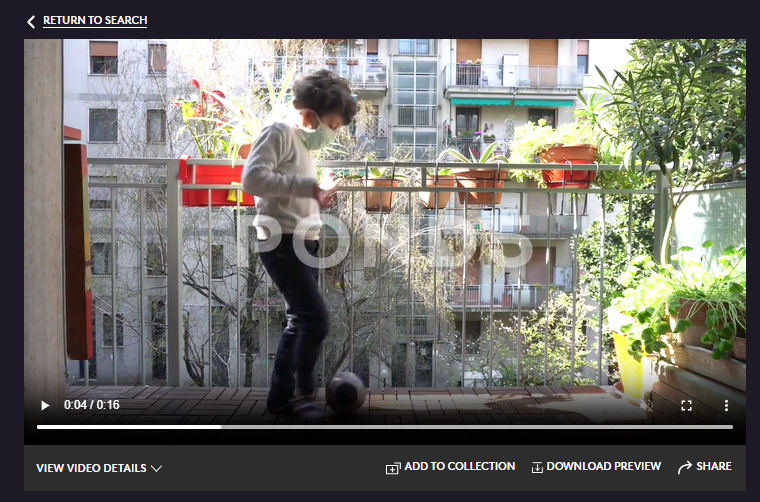
There was a photographer who had never shot videos before and made over 1,000 euros with a 5-second video shot on his smartphone, featuring his son playing on the terrace of their apartment during the pandemic.
Another story involves an amateur—a primary school teacher—who spent a week in the mountains with his parents and covered his vacation costs (along with a few of his future trips) by selling a simple stock image anyone could make.
However, these were lucky instances, not part of a professional workflow, so it’s not something I can teach others. I give them space on my platform, as their stories—made up of both sales and unsold content—help beginners understand what to expect when they first start. The only motto that works in the microstock industry is: “Produce, let the site sell it for you, and start thinking about the next content.”
On the other side of the coin, have you ever had a video clip you thought would sell like hotcakes, only for it to sit untouched in your archives? What do you think went wrong?
Early in my career as a stock footage contributor, I’d often fly back from shoots thinking I’d captured the “Holy Grail” of footage—the one clip that would make me as rich as a football star. But, of course, that never happened.
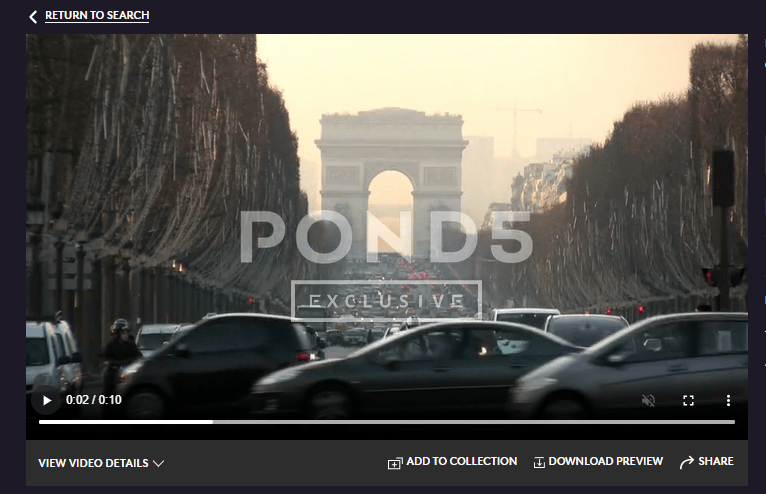
In 2009, I shot a 5-second video of the Champs-Élysées, and to my surprise, it sold for thousands of euros.
However, if you want to be a professional, you can’t focus on one “lucky” clip that took you 10 minutes to shoot and edit but earned a high figure. A professional approach requires viewing income across your entire collection, which includes thousands of unsold clips.
Back to the Champs-Élysées clip: when I realized how much it was selling, I planned another trip to Paris to shoot variations, confident they’d sell just as well, as I had also bought new equipment in the meantime. I filmed from the same spot during the day and night, made timelapses and hyperlapses, but none of these new versions sold like the original. The reason? The market had shifted—not in terms of demand, but supply. Photographers and videographers realized that, thanks to the microstock market, they could make money from content they would have previously shot for free. Suddenly, my Champs-Élysées footage wasn’t just competing with a handful of similar videos but with hundreds, and my childish dream faded.
That kind of clip could be created by anyone with a camera—or even a smartphone—since it was shot from a public spot where millions of tourists pass. That’s when I realized I needed to focus on something more difficult to create, and that’s where historical footage came in.
What types of footage (genres, styles, subjects) are currently in high demand for historical footage? Conversely, are there any trends that are becoming oversaturated?
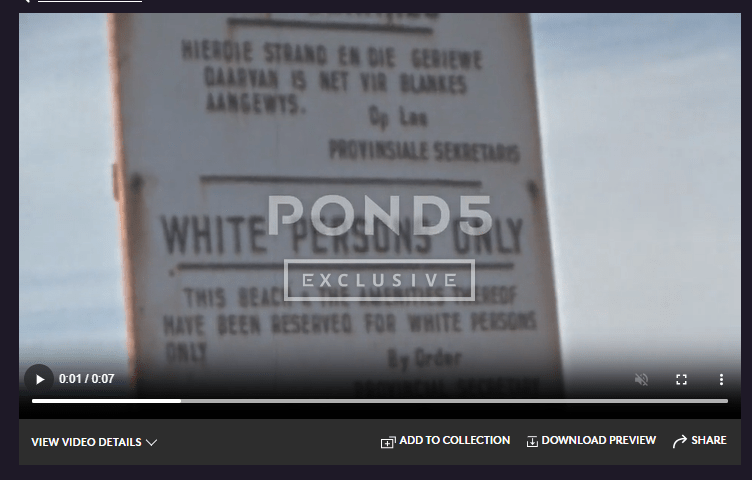
Historical footage that captures iconic locations and periods is in high demand. Big cities like New York, Paris, and London in their iconic decades, particularly the 1970s and 1980s, remain popular. Additionally, footage of cars—especially large American models reminiscent of TV shows like Starsky and Hutch—also resonates with audiences. Sometimes, trends in historical footage mirror those in contemporary footage, where buyers look for content on major themes such as the environment or inclusivity. For example, I had unexpected success with a 1970s South African sign reserving a beach for white people only, which tapped into current conversations around race and history.
Lifestyle content can still sell, but it often comes with privacy and copyright challenges, especially if the footage features individuals whose permissions aren’t clear. Agencies may impose strict requirements for such footage.
That said, not all historical footage sells as expected. Unique historical subjects, like the New York skyline or Cold War-era footage, might not generate the sales you’d anticipate. The first reels I bought were shot in the Soviet Union and East Germany, but they didn’t sell as well as I thought they could. As a contemporary history lover, I still appreciate that kind of footage, but the truth is, it doesn’t pay the bills—and microstock is a business for me, not a hobby.
How have you seen the stock and archive footage markets change over the last five years, especially with the rise of AI tools like Sora.
AI has had a significant impact on stock image sales due to tools like DALL-E, Midjourney, and Stable Diffusion. While high-budget productions still employ designers, the rise of AI-generated graphics has become widespread, especially in low-cost projects—one of the largest segments of stock image sales. This has drastically reduced costs, making AI-generated content an attractive alternative for many buyers.
Contributors can complain about AI taking over, much like photographers complained when microstock first emerged, but I don’t understand how complaining can solve anything.
The situation for stock footage is somewhat different. Tools like Runway are still imperfect. As for Sora, we’ve only seen a promotional video so far. If it is as capable as advertised, it could reduce the stock footage market by 90%. It might even halve the video production workforce within a year of its release.
I worry about those who say AI will not only cut jobs but also create them. They overlook the fact that AI may displace ten times more people than it employs. This isn’t just about our individual businesses, and it’s not only about the economy—it’s possibly the biggest technological shift we’ve ever seen, likely to impact our lives many times more than the internet did. And I’m concerned that today’s politicians don’t seem equipped to handle it.
If you could travel back to any era in history with your camera, where would you go to capture footage, and why?
I would focus on capturing footage that aligns with current demand. There’s a significant need for LGBTQ-related historical footage—not because there’s so much demand now but because there’s so little footage from past decades on this subject.
In every business, it’s always about supply and demand. Footage of 1970s and 1980s New York boroughs other than Manhattan would sell well—not necessarily because buyers prefer it over Manhattan, but because almost no one filmed those areas. Footage of racial discrimination in the U.S., particularly before the civil rights reforms of the early 1960s, also sells well for the same reason.
More generally, footage from the 1980s and 1990s is valuable since, by then, home movies were on tapes rather than film, and tapes degrade much faster over time, so there’s less surviving material.
Are there any new features, expansions, or initiatives in the pipeline for FootageForPro.com, TheArchiveFootage.com, MicrostockGuru.com, or your YouTube channel? What can users and contributors expect in the coming months/years?
At the moment, I’m focused on restoring the first films I worked on 10 years ago using my new equipment and techniques, as quality is king.
Once I finish this, for MicrostockGuru.com, I’ll restart my podcast, update my course, and write more books about making money with microstock and online business. I’ll share the lessons I’ve learned in the last 20 years to help people avoid the mistakes I made.
As for FootageForPro.com and TheArchiveFootage.com, they don’t need major improvements. They already sell automatically, even while I’m sleeping. My main focus will be expanding my historical footage collection to grow my paid products and my YouTube channel, which is a powerful tool for finding customers.
When I was a teenager, I worked hard to become a director, and later worked professionally as a story editor for television. But when I turned 35, I realized I was tired of that old, non-meritocratic world and shifted my focus to online business.
The happy ending of this story could involve using my huge historical footage archive to become a documentary director, like I wished to when I was young. But looking at the world today, the scenario might play out more like a Black Mirror episode than a teenager’s dream: me on the couch eating junk food bought on flash sale, saying, “Sora, make a documentary about the Istrian exodus, use my own voiceover, and use my old book to reproduce my style,” and then letting the machine do the work for me, as it would be easier and faster.
Thank you very much, Daniele, and I wish you continued success and we will certainly be in touch for tips, if you don’t mind, as I did through my dad’s archive footage!
It’s been a pleasure to catch up and of course I’ll be happy to help you! All the best.
About Alex
I’m an eccentric guy, currently based in Lisbon, Portugal on a quest to visit all corners of the world and capture stock images & footage. I’ve devoted ten years to making it as a travel photographer / videographer and freelance writer. I hope to inspire others by showing an unique insight into a fascinating business model.
I’ve gone all in on submitting book cover images to Arcangel Images. Oh and was also flying a DJI Mavic 2s drone regularly (although it crashed into Botafogo Bay on NYE – here is the story), which I’ve upgraded to a Mini 3 Pro and the Air3.


 Alexandre Rotenberg's Brutally Honest Guide to Stock Photography & Footage