Andrea licenses an average of 750,000 images a year and will discuss some of his secrets, the new AI emergence and his new stock agency with a unique ethos, Tiltsnap. Let’s get started!
Hi Andrea, pleasure to have you on here. Let’s start from the very beginning of your professional journey. Please tell us how you got started in photography.
Hi Alexandre, it’s a pleasure to be here!
I was already working as a photographer in 2007 when I was a freelance and I dealt with advertising, weddings, and fashion. But I didn’t have a constant monthly income. Also, I wasn’t free to produce the images I wanted by working on commission. I knew about stock photography, but in Italy, the agencies dealing with stock paid very little. Then, one day by chance, I stumbled upon Fotolia (now Adobe Stock) online and started uploading my first photos there, which were leftovers from other photo shoot.
You’ve amassed an impressive 36,129 images at Shutterstock and similar numbers at other agencies such as Adobe Stock, how long has that taken you? Any tips for those contributors starting out in 2024 (perhaps it’s too late)?
I have more than 60k images in my archive. It took me more than 10 years to produce them, and I also had the help of some skilled assistants. Starting in 2024 to do microstock is difficult. It’s not like in 2007 as the market is very saturated, and it’s not clear what role Artificial Intelligence will play in the industry. Probably, by choosing some particular niches, there is still room to make some numbers, but I think it could be a constant struggle.
When was your first “viral” moment where an image of yours started selling regularly. In addition, when did you finally realize that you could make creating microstock images a full-time job?
My first monthly earnings in 2007 were only $4. A truly low figure that would have discouraged almost anyone. But I was in love with that system, with the idea of working online and without commission-based clients, without limits of place and time. And so I committed myself fully, and already in the early months of 2008, I started earning significant amounts (several thousand euros per month). Then, I steadily grew until reaching the peak of earnings between the years 2013 and 2018.
Indeed, I also love the idea of “passive income”, which is something that also attracted me to the industry. In your time as a stock photographer, have you ever made a mistake? If so, what did you learn from it?
Clearly, by producing so much, not all of my images are perfect. It also depends on what one means by perfection. If I could go back, I would choose to have more assistants. It was a mistake to have so few. Perhaps I should have created an academy. But it was very difficult at the time to convince people to do this job and I was focusing on doing what I loved – making images on my terms.
Do you follow certain trends such as model looks, palettes…also do you try to forecast future trends?
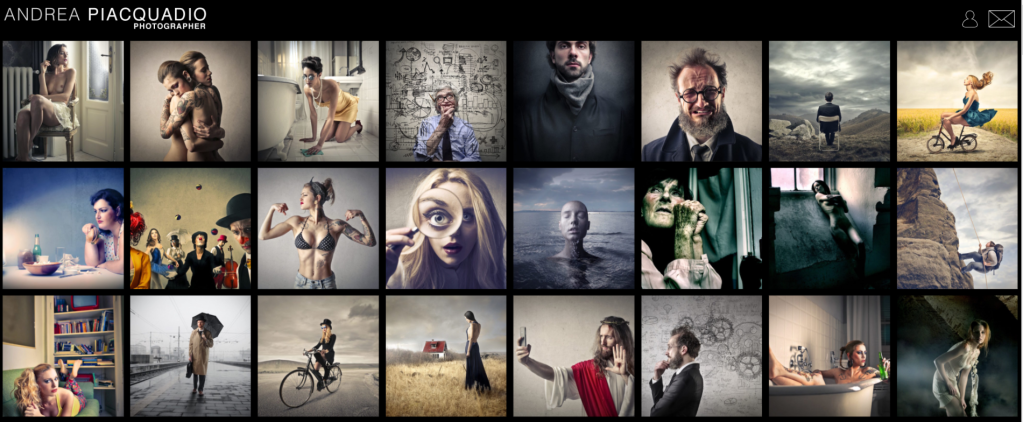
Certainly the fact that I was one of the first to work in the studio in that way: blending landscapes or backgrounds with human subjects shot in the studio. I went all in with this trend. Many others followed me with some shamelessly copying my images.
How do find suitable models and locations?
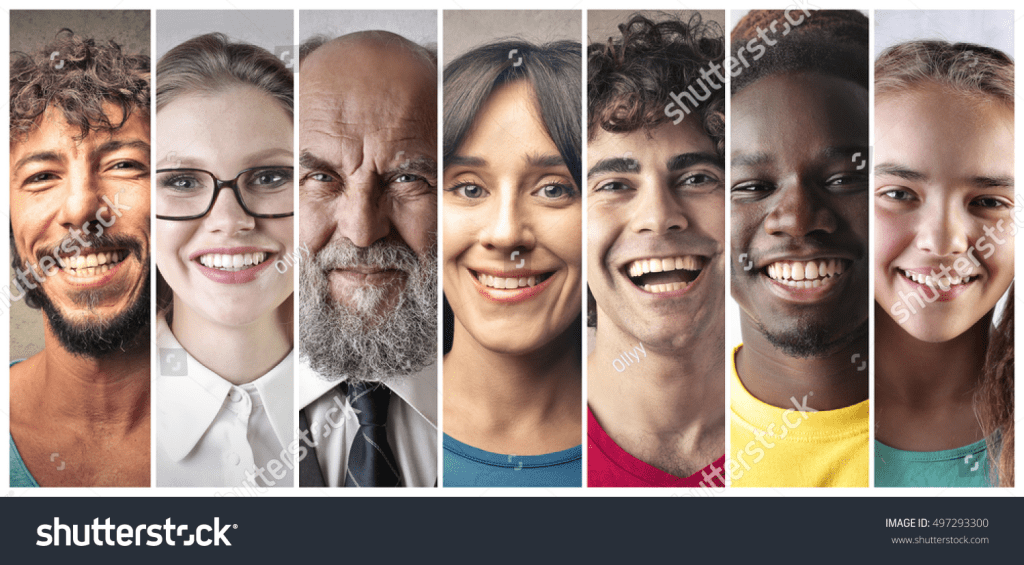
I rely on staff that searches for models and locations. This process is fundamental: some consider it outside of photography, not relevant to the photographer’s work, and yet it is a big part of the photographic result to choose, for example, a good model.
Changing gears (pun intended), what’s your go-to camera and lens?
I use Canon. Now I have a Canon 5DS. Previously, around 2010-2014, I used the Canon 5D Mark II and the Canon 5D Mark I, with fixed lenses. The 50mm Sigma 1.4 (fantastic) is the lens I use the most.
On your Instagram/Facebook page your information block reads: “World’s leading microstock photographer by number of downloads” as you have over 750,000 image licenses sold annually and 10million all-time. Which factors do you think have contributed to their success?
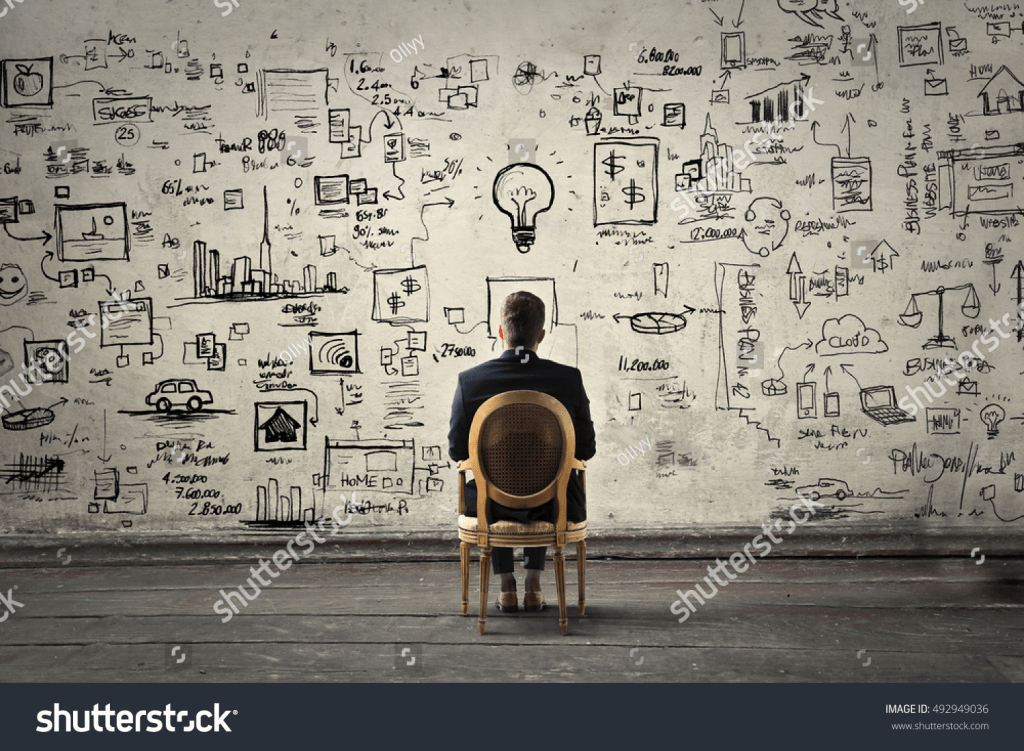
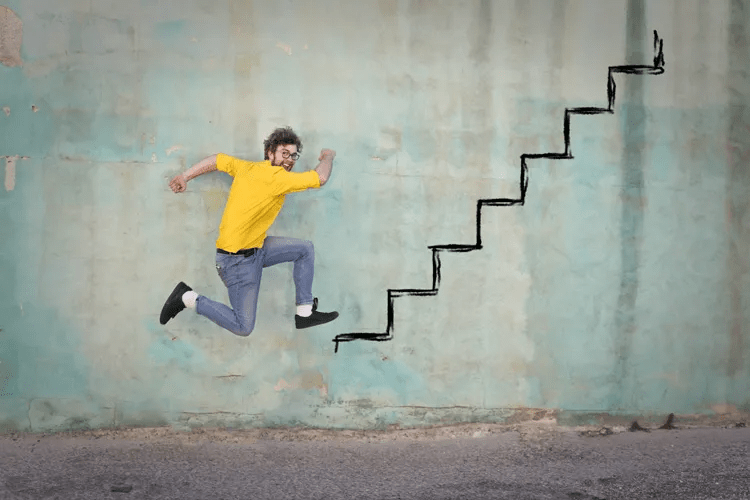
Believing in this market early on and introducing a more creative/artistic style in the images compared to the stock landscape of that period, which was less sophisticated, was crucial. The classic photo on a white background with full light was very popular. My more painterly, colorful images with business concepts had a significant impact on the market.
On your website you’ve mentioned that your images have appeared in marketing campaigns by the giants such as Apple, Coca Cola, and Gucci, could you provide some examples of where some of your images were used in campaigns? Do you have a favourite campaign?
Perhaps the campaign that gave me the most satisfaction was the one for McDonald’s, which for a long time was everywhere with some subjects yawning. The beauty of producing visual artistic content that resonates perfectly with a campaign brings a lot of satisfaction – having carte blanche to produce images is an extraordinary opportunity that allows one to fully express their creativity and artistic vision, creating a lasting and significant impact.
Staying on the topic of sales, have you experienced a drop in both volumes and average return per image sold during the past few years on average for all agencies?
There has been a drastic decline in sales. As already mentioned, the market is quite saturated, and agencies don’t always seem to push new content over old. To maintain high sales, it’s important to consistently upload. Personally, I have not been uploading seriously for 3 years now, so I can’t provide a complete picture. The work done over the years, although declining, continues to bring me a lot of value.
Have you ever considered becoming a contributor at one of the more “premium agencies”, such as Stocksy, Offset, Adobe Premium?
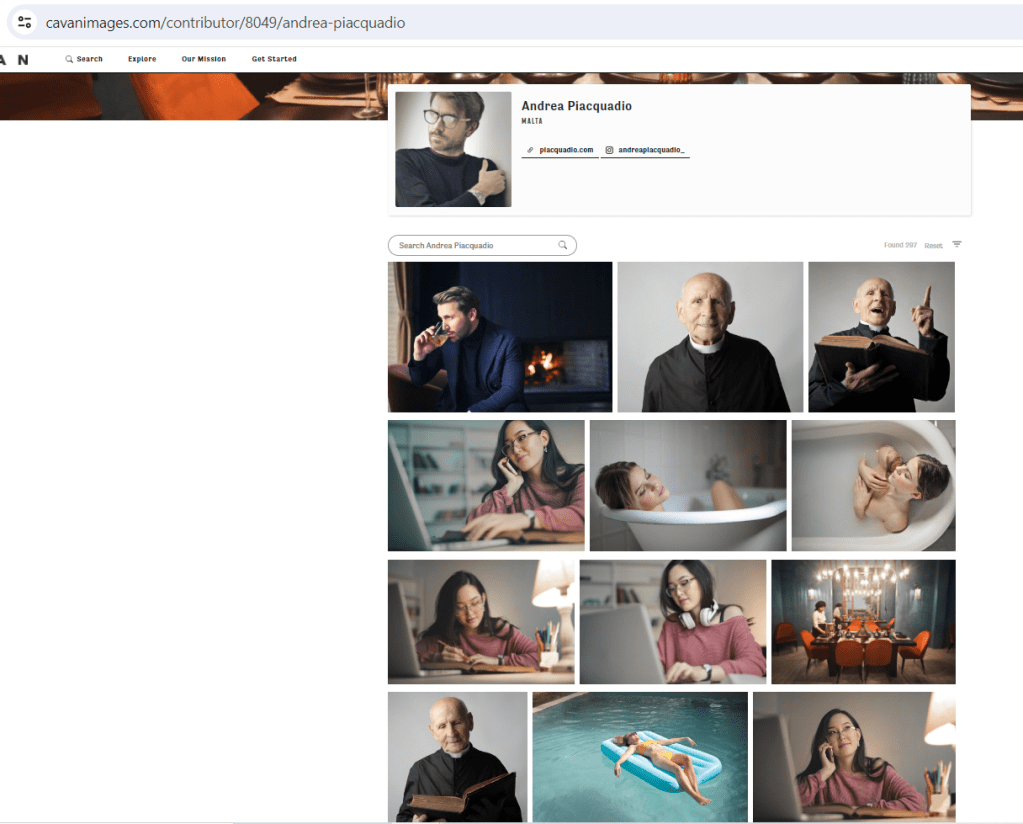
I’m present on Cavan and a few other agencies with higher average prices for picture. However, as far as I’m concerned, earnings, in general, are lower compared to those of microstock agencies like Shutterstock and Adobe.
Artificial Intelligence
Let’s switch gears and talk about the elephant in the room that is Artificial Intelligence. AI is still in its infancy but within the next months/years, are you worried that your images may be perhaps made redundant by query-based AI-generated content by the likes of Midjourney?
We may witness an epochal change as it has been for photography with the painting, or digital and film. But for now images generated with intelligence artificial photography have not replaced stock photographers. If everyone will have easy access to these tools and really create all the images they want, the power of the image will decline further. Because something has value the more it manages to be unique at least not very repeatable. What is easily repeatable loses quickly value.
I think the market will shift more towards the free platforms that will go to compete with paid generation systems – that said, many users have need images made with a trained eye quickly, regardless of whether generated or real.
Do you plan on creating some AI yourself? Perhaps using “real” images?
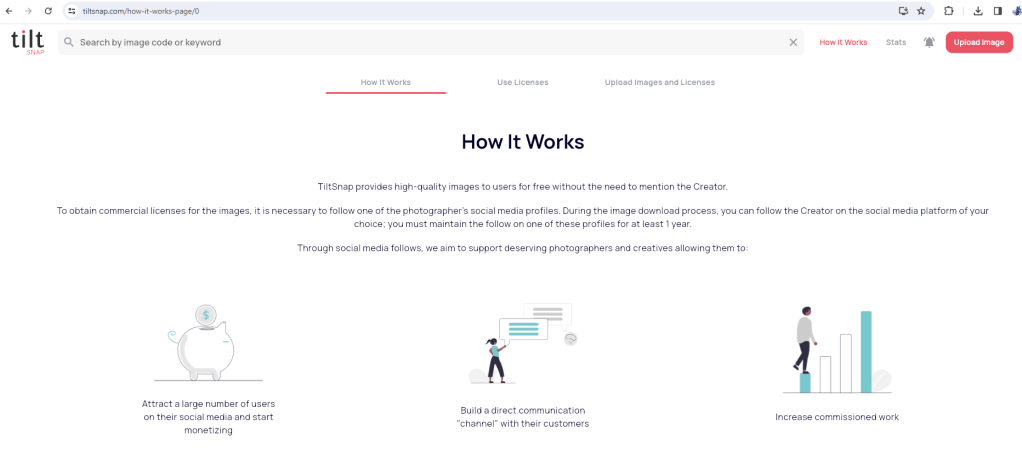
You’ve mentioned to me that you’ve recently opened up a new stock agency, Tiltsnap, from reading the “About” section it has an interesting concept where contributors exchange their images in return for social media following. Could you please expand on what drives Tiltsnap and some benefits that contributors may have by signing up and contributing?
The goal is to make creators earn money and at the same time provide users with free access to a library of images. How? By using social media. Bringing real traffic to contributors’ social media profiles might be more worthwhile than having a portfolio on a normal stock agency where earnings are very low. Building a social profile with real followers can earn creators a lot.
By increasing the visibility of deserving photographers, we aim to help them get more commission work, establish a direct communication channel with their clients, and create their own digital space, independent of microstock platforms and agencies. So far, traditional stock platforms have limited photographers’ direct contact with their clients, while Tiltsnap is opening up to this possibility.
Future Plans
Other than devoting time to Tiltsnap, do you have some professional plans for the next 2-3 years that you would like to share?
I’m at a stage in my life where I’m focusing on helping other photographers. We’re in a historical period that could lead to very radical market changes. I believe Tiltsnap can be a catalyst for deserving photographers, and I want to dedicate myself to this project in order to elevate the value of photography and visual art in the digital world.
Thanks, Andrea, for this great opportunity!
Thank you Alexandre, it’s been a pleasure, I am happy to talk about photography and its development any time. Happy photo shoot to ever everybody.
About Alex
I’m an eccentric guy, currently based in Lisbon, Portugal on a quest to visit all corners of the world and capture stock images & footage. I’ve devoted eight years to making it as a travel photographer / videographer and freelance writer. I hope to inspire others by showing an unique insight into a fascinating business model.
I’ve gone all in on submitting book cover images to Arcangel Images. Oh and was also flying a DJI Mavic 2s drone regularly (although it crashed into Botafogo Bay on NYE – here is the story), which I’m likely upgrading to a Mini 3 Pro and eventually an Air3 in 2024.






 Alexandre Rotenberg's Brutally Honest Guide to Stock Photography & Footage